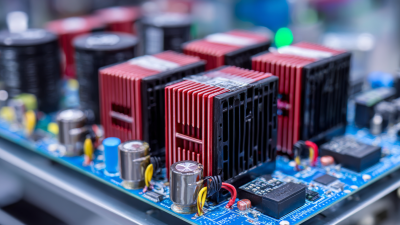
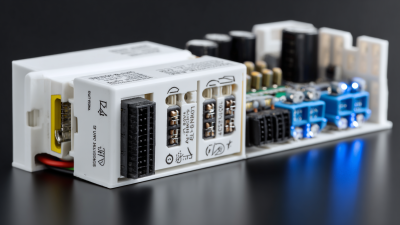
In today’s fast-changing world of technology, keeping energy managed efficiently has become a pretty big deal in how devices are designed and work. The Power Supply Module (or PSM) is really leading the charge here, playing a key role in converting and regulating power so all kinds of modern gadgets stay up and running. As electronics keep getting smaller and more complex at the same time, the need for reliable, compact power solutions is more important than ever. Companies like Mean Well, Texas Instruments, and Murata are at the forefront, making advanced PSMs that not only boost energy efficiency but also help improve the overall performance of devices.
Getting a good grasp of the different types and features of Power Supply Modules is pretty much essential for engineers and designers who want to get the most out of their energy management. PSMs come in all shapes and sizes—some tailored to consumer electronics, others better suited for industrial equipment. In this write-up, we’re going to take a look at the top five PSMs leading the way in efficiency, innovation, and reliability. We’ll dive into what makes them special, from their specs to their benefits, and show how these modules are really changing the game in how devices work with power. The goal? To help ensure that the future of tech is sustainable, efficient, and, honestly, a lot smarter than before.
The Importance of Power Supply Modules in Modern Technology
Power supply modules (PSMs) play a crucial role in modern technology, serving as the backbone of energy management in devices ranging from smartphones to industrial machinery. According to a recent report from the International Energy Agency, improving power supply efficiency could enhance overall energy performance in devices by up to 30%. As the demand for more energy-efficient devices rises, manufacturers are increasingly leveraging advanced power supply modules to optimize performance while reducing energy costs.
One of the significant advantages of using modern power supply modules is their ability to support a wide range of devices and applications. They provide better voltage regulation, reduced electromagnetic interference, and improved overall reliability. A study by Grand View Research indicates that the global power supply market is projected to reach $38.24 billion by 2025, underscoring the growing importance of this technology in various sectors.
**Tip:** When selecting a power supply module, consider the efficiency rating, as opting for high-efficiency models can significantly lower operational costs in the long run.
Additionally, integrating power supply modules with smart technologies can further enhance energy management systems. By utilizing real-time data to adjust energy consumption dynamically, organizations can achieve substantial savings while supporting sustainability initiatives.
**Tip:** Regularly monitor the performance of your power supply modules to identify potential inefficiencies or degradation over time, ensuring optimal performance and extending their lifespan.
Key Features of Top Digital Power Supply Types
Digital power supply modules have become pivotal in modern energy management systems across various applications, including consumer electronics, industrial equipment, and data centers. These modules offer key features that enable efficient energy conversion and distribution, enhancing overall device performance. Among these features, smart load management and real-time monitoring stand out, allowing users to optimize energy usage based on specific operational needs. Additionally, the compact size of modern power modules facilitates easier integration into devices while minimizing energy loss, becoming a critical factor for manufacturers striving for energy efficiency.
Innovations in digital power supplies are driving advancements in technology, with companies introducing smarter and more versatile designs. The latest models incorporate features such as programmable outputs, enhanced thermal management, and improved power density, catering to the increasing demands for higher performance in compact forms. As the global market for bench power supplies is projected to grow significantly, these advancements will play a vital role in supporting diverse applications, from AI data centers to audio equipment, ensuring that energy management remains efficient and effective in an ever-evolving technological landscape.
Comparative Analysis of Digital and Analog Power Supply Modules
In the realm of power supply modules, understanding the differences between digital and analog designs is crucial for optimizing energy management in modern devices. Digital power supply modules utilize advanced control techniques and microcontrollers, allowing for precise voltage regulation and dynamic adjustment to varying loads. This adaptability leads to improved efficiency and reduced energy loss, which is particularly beneficial in battery-powered and portable devices.
On the other hand, analog power supply modules operate based on traditional linear regulation, offering simplicity and ease of integration. They excel in applications where noise sensitivity is a primary concern, such as in audio equipment and medical devices. However, their often lower efficiency, especially under varying loads, may make them less suitable for energy-sensitive applications.
**Tips:** When selecting between digital and analog power supply modules, consider the specific requirements of your application, including efficiency, noise sensitivity, and load variability. Additionally, keep in mind that while digital modules may have a steeper learning curve for implementation, their long-term energy savings can justify the initial complexity. Always evaluate the latest advancements in both technologies, as innovations continuously reshape the landscape of power supply solutions.
Understanding Power Supply Modules: The Key to Efficient Energy Management in Modern Devices
| Type | Efficiency (%) | Load Regulation (%) | Ripple Voltage (mV) | Cost ($) |
| Digital Power Supply Module | 95 | +/- 1 | 20 | 150 |
| Analog Power Supply Module | 85 | +/- 3 | 50 | 100 |
| Hybrid Power Supply Module | 90 | +/- 2 | 30 | 120 |
| Switching Power Supply Module | 92 | +/- 1.5 | 25 | 130 |
Energy Efficiency and Performance in Power Supply Design
In modern devices, power supply design plays a critical role in determining overall energy efficiency and performance. By optimizing the power supply module, engineers can minimize energy losses, resulting in a more sustainable operation. Advanced power supply technologies, such as switch-mode power supplies (SMPS), enable devices to convert electricity more efficiently, reducing heat generation and improving reliability. These innovations not only enhance performance but also contribute to lower operational costs over time.
Furthermore, energy efficiency in power supply design extends beyond mere conversion rates. It encompasses the entire lifecycle of the device, from manufacturing to end-of-life disposal. Environmentally-conscious design considerations, including the use of recyclable materials and the reduction of harmful components, reflect a growing commitment to sustainability. As industries continue to prioritize green technology, power supply modules that offer superior energy performance will be essential in driving innovation and meeting regulatory standards. With the integration of smart technologies, future power supplies will likely include features that optimize energy usage in real-time, further elevating efficiency across various applications.
Future Trends in Power Supply Technology for Devices
The future of power supply technology is on a promising path, particularly with the growth of programmable DC power supplies, which are projected to reach a market value of $625.7 million by 2024, escalating to $923.51 million by 2032. This reflects a compound annual growth rate of 5.0%. As communication technologies evolve, the demand for efficient energy management becomes critical, especially with the impending transformations in 5G and beyond.
Additionally, the power industry is poised for significant advancements, driven by the global energy transition and digital transformation. Energy conversion and transmission technologies are becoming essential components in various sectors, including telecommunications, industrial control, and smart devices. The ongoing momentum in the fast-charging technology domain also highlights the critical nature of power supply innovations, as consumer electronics continue to require higher power solutions to enhance user experiences. The interplay between these trends indicates a robust future for power supply technologies, emphasizing their pivotal role in modern devices.
Challenges and Solutions in Power Supply Management Systems
Power supply management systems play a critical role in modern electronic devices, facing several challenges that can hinder efficiency and reliability. One significant challenge is the increasing demand for energy efficiency amid the trend of miniaturization in technology. As devices become smaller, power supply modules must deliver higher performance in a compact form factor, necessitating advanced thermal management solutions to prevent overheating and maintain operational stability.
Another challenge is the integration of various power sources, such as batteries and renewable energy inputs, which requires sophisticated control systems to optimize power distribution. These systems need to monitor voltage and current levels while adapting to varying load conditions and operational requirements. Implementing solutions like smart grid technology can aid in improving the responsiveness and adaptability of power supply management systems, ensuring that devices can operate efficiently under diverse scenarios and extending their overall lifespan.
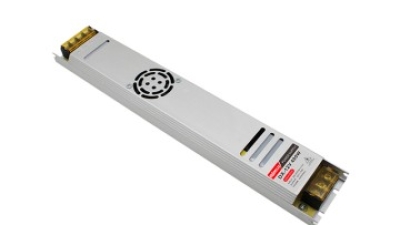
Enhancing Indoor Lighting with the 400W Ultra-Slim Linear Power Supply: A Guide for LED Light Box Users
Enhancing indoor lighting solutions has never been more accessible with the introduction of the 400W Ultra-Slim Linear Power Supply. Specifically designed for Led Light Box users, this power supply comes in both 12V and 24V DC output options, making it versatile for various indoor applications. Its ultra-slim profile allows for easy integration into narrow spaces, which is particularly beneficial for modern lighting designs where space is at a premium.
One of the standout features of the 400W model is its reliability and efficiency. Built with high-quality components, it ensures consistent energy delivery that caters to traditional backlit displays as well as more complex setups. Whether you’re working on a magic color/RGB chasing light box or a dynamic motion effect display, this power supply reliably fuels your creative visions. With its sleek design and dependable performance, you can illuminate your projects effectively, creating visually captivating indoor environments that draw attention and inspire.
FAQS
: Power supply modules serve as the backbone of energy management in various devices, enhancing overall energy performance and efficiency.
Improving power supply efficiency could enhance overall energy performance in devices by up to 30%, according to the International Energy Agency.
Modern power supply modules provide better voltage regulation, reduced electromagnetic interference, and improved overall reliability.
The global power supply market is projected to reach $38.24 billion by 2025, highlighting the growing importance of this technology.
Integrating power supply modules with smart technologies allows for real-time data utilization to dynamically adjust energy consumption, leading to substantial savings and supporting sustainability initiatives.
Digital power supply modules offer smart load management, real-time monitoring, programmable outputs, enhanced thermal management, and improved power density.
Regular monitoring helps identify potential inefficiencies or degradation, ensuring optimal performance and extending the lifespan of power supply modules.
The compact size of modern power modules allows for easier integration into devices while minimizing energy loss, prioritizing energy efficiency for manufacturers.
Advancements in digital power supplies support a wide range of applications, including consumer electronics, industrial equipment, data centers, AI data centers, and audio equipment.
The latest models feature programmable outputs, enhanced thermal management, and improved power density, accommodating the need for higher performance in compact forms.
Conclusion
The article "Understanding Power Supply Modules: The Key to Efficient Energy Management in Modern Devices" emphasizes the crucial role that Power Supply Modules play in contemporary technology. It highlights the importance of these modules in ensuring optimal performance and energy efficiency for various devices. The discussion includes key features of different digital power supply types, a comparative analysis between digital and analog modules, and insights into energy efficiency and design performance. Furthermore, it addresses future trends in power supply technology and the challenges faced in power supply management systems.
As a leader in the LED power supply industry, JIANGXI MIJI ELECTRONICS AND TECHNOLOGY CO., LTD. aligns with these themes by offering a wide array of high-quality Power Supply Modules, including rainproof and waterproof options. The company's extensive experience and specialization in this field position it well to meet the evolving demands of energy-efficient technology in modern devices.