Hey, you know, in today’s fast-changing world of electronics, it’s really important to get a good grasp of the different kinds of power supplies out there. It can make a big difference when it comes to making things run smoothly and efficiently, no matter what you're working on. I came across a report from Grand View Research that says the global market for power supplies was worth about $24.26 billion back in 2020, and it’s expected to keep growing—around 6.3% CAGR—from 2021 all the way through 2028. One company that’s been a key player in this scene is JIANGXI MIJI ELECTRONICS AND TECHNOLOGY CO., LTD. They've been around since 2005 and really know their stuff—specializing in LED power supplies, like waterproof and rainproof ones, plus regular switching power supplies. With nearly two decades of experience under their belt, MIJI doesn’t just follow the trend—they focus a lot on making power supplies efficient. That’s super important because, at the end of the day, it’s all about saving energy and getting the best performance out of electronics.
Types of Power Supplies: An Overview of Their Unique Characteristics
Power supplies are really essential parts of modern electronics, and each type has its own unique perks that suit different uses. When you look at the world of power supplies, you’ll notice they generally fall into a few main categories—like switching power supplies (often called SMPS), linear power supplies, and high-voltage options, among others. SMPS are pretty popular these days because they’re efficient and super compact, making them perfect for devices that need to be lightweight or portable. On the flip side, linear power supplies are known for their straightforward design and steady output, so people often go for them when reducing noise is a big deal.
Recently, there’s been a lot of buzz around new tech in power supplies, especially around making things more efficient and eco-friendly. For example, integrating renewable energy sources into these systems is a big step towards tackling today’s energy challenges. Recent studies show that smart power electronics are crucial for boosting green hydrogen production through electrolysis — pretty exciting, right? Plus, innovations like high-precision voltage-controlled power suppliesare really making a difference for high-power systems like excimer lasers. It’s cool to see how all these advancements are blending together — combining cutting-edge tech with real-world applications in Power Supply design — truly anexciting time for the field.
Understanding Efficiency Ratings: Why They Matter in Power Supply Selection
When you're choosing a Power Supply For Led projects, getting a good handle on efficiency ratings is pretty important. These ratings give you a snapshot of how well the power supply uses energy — and that can really affect your costs and even help out the environment. The more efficient the supply, the less energy gets wasted, which means lower electricity bills for you and a little extra green points for being eco-friendly. Nowadays, companies are way more into their environmental, social, and governance (or ESG) scores, trying to stay responsible and sustainable. Picking power supplies with top-notch efficiency is definitely a step in the right direction if you’re serious about those goals.
Plus, efficient power supplies don’t just boost performance — they also help keep the supply chain greener. As businesses look to streamline their operations, understanding how their power choices fit into the bigger picture really matters. Smarter power management can cut down costs on raw materials and energy, making everything run smoother and cheaper overall. Here at Jiangxi MIJI Electronics and Technology Co., Ltd., we totally get how important high-efficiency LED power supplies are. That’s why we design our products to not only meet industry standards but also support our customers’ push for sustainability. It’s all about building stronger relationships and doing our part for a better future.
Performance Metrics: Comparing Linear vs. Switching Power Supplies
When you're looking at power supplies, performance metrics really matter. They help you figure out whether a device is a good fit for whatever you need it for. Take linear power supplies, for example—they’re often appreciated for being straightforward and quiet, which makes them great for sensitive electronics. What’s cool about them is their ability to keep a steady output voltage that doesn’t fluctuate much even when load conditions change. That’s a huge plus when you need precision. But, and here’s the catch, they tend to be less efficient. That means they generate more heat and waste energy, especially when the load isn’t constant.
Now, switching power supplies tell quite a different story. They’re all about efficiency and flexibility. By flipping the input voltage on and off really quickly, they stay cool and use less energy compared to linear options. These supplies are often praised for handling a wide range of input voltages and for being able to adjust their output easily. So, they’re pretty versatile and can be a good choice for many different kinds of projects. That said, they’re a bit more complex, which can lead to electromagnetic interference (EMI). This can sometimes cause issues with sensitive gear. So, understanding these performance differences is key when you’re trying to pick out the right power supply for what you need.
Overall, choosing between linear and switching power supplies really boils down to what matters most for your application—whether it’s precision, efficiency, or versatility.
Performance Metrics: Comparing Linear vs. Switching Power Supplies
Cost vs. Performance: Evaluating the Economic Benefits of Each Type
When you're looking at different types of power supplies, one of the key things to think about is balancing the cost with performance. There are lots of models out there, each with its own price tag and features designed for specific needs. Sure, the cheaper options might seem tempting at first — I mean, who doesn’t love saving a few bucks? But the thing is, they often trade off efficiency. Over time, that can mean you'll end up paying more in electricity bills because they're wasting energy. So, a less expensive power supply might save you money upfront, but it could cost you more in the long run due to higher energy consumption.
On the flip side, investing in a higher-quality, higher-performance power supply might seem like a splurge initially, but it can really pay off over time. These models usually run more efficiently, helping you save on energy costs and being kinder to the environment. Plus, they often come with cool features like better heat management and longer lifespan, which means fewer replacements down the line. If you take into account both the initial investment as well as the ongoing costs, you'll be in a much better spot to make a smart choice — one that boosts performance but also keeps your overall expenses in check down the road.
Environmental Impact: The Role of Power Supply Efficiency on Sustainability
When it comes to being more eco-friendly, how well our power supplies work really matters. As the world’s energy needs keep climbing, it’s more important than ever to fine-tune those systems. Let’s be honest, saving energy isn't just good for the planet—it also means cheaper bills and fewer greenhouse gases floating around. Think about it: using smarter building materials that cut down on energy use makes a big difference, helping make sure our energy sources are as green as they can be.
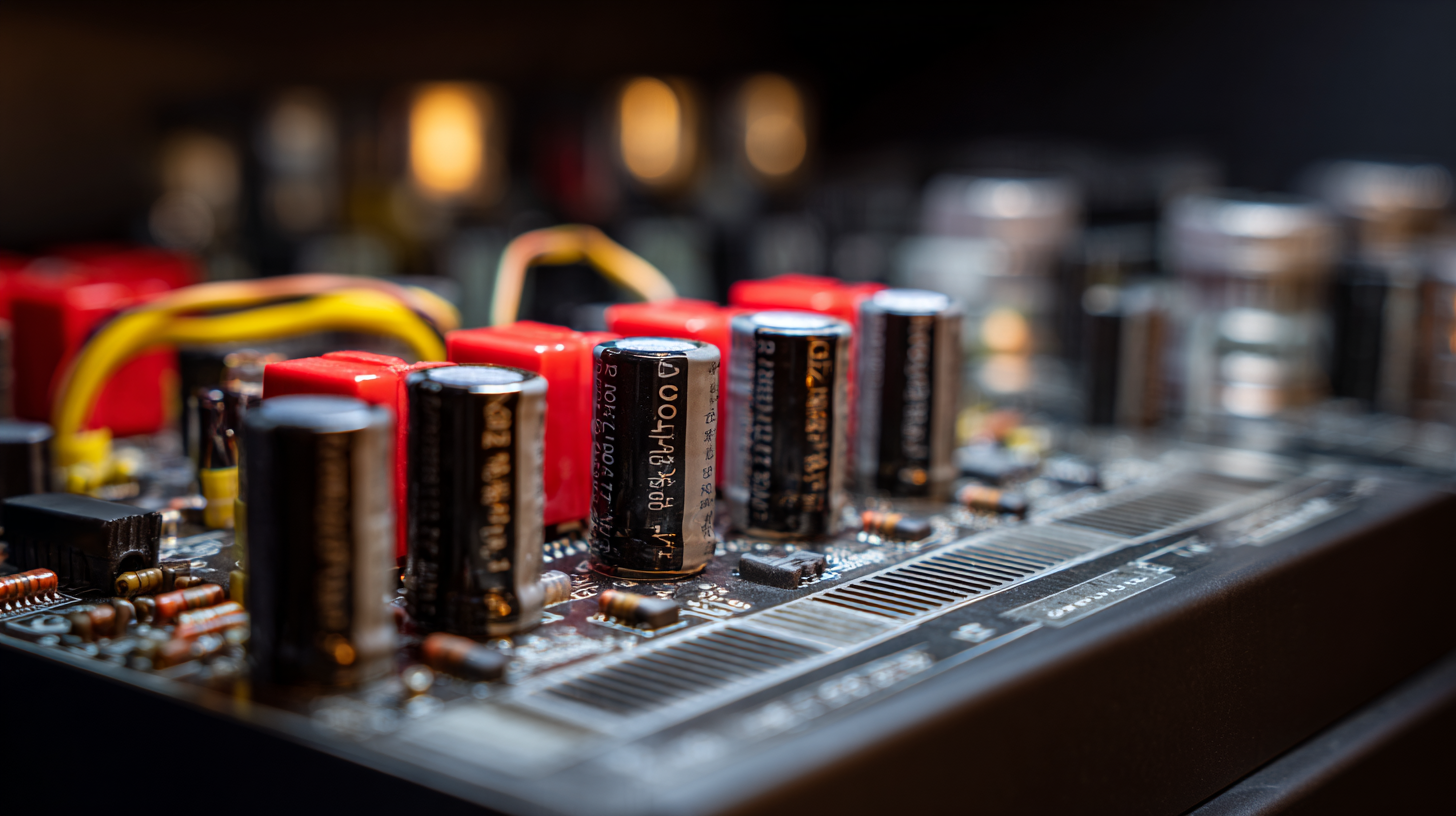
And here’s the cool part—tech like AI and the Internet of Things is truly changing the game. These tools help us keep a much closer eye on how we use energy, making things like smart grids and renewable energy sources work more smoothly. By choosing more efficient power systems, businesses can cut their carbon footprints pretty significantly, while also jumping on the renewable energy train. It’s a win-win—doing our bit for the planet and opening up new economic opportunities along the way. All in all, making sure our power supplies are efficient is a vital piece of the puzzle in building a more sustainable future for everyone.
Future Trends: Innovations in Power Supply Technology and Efficiency Enhancements
You know, as power supply tech keeps evolving, it’s pretty clear that AI is driving a lot of the latest innovations. With AI infrastructure demanding more computing power and energy efficiency, materials like Gallium Nitride (GaN) and Silicon Carbide (SiC) are really stepping into the spotlight. Not only do they boost energy efficiency, but they also handle the increasing power needs of next-gen AI applications — making them super important in today’s competitive market.
The market for GaN-based power adapters is actually expected to grow quite a lot — estimates are pointing towards a $6.5 billion value by 2032, with a nearly 14% yearly growth rate. That’s a pretty clear sign that we’re moving toward more efficient power solutions. And it’s not just tech companies; industries like automotive and industrial automation are jumping on board too. Everyone’s investing in these innovations, hoping to build smarter, more efficient systems. When you think about how AI and new power tech are coming together, it’s exciting — we’re probably gonna see some serious boosts in how efficiently and effectively power is converted and used in the future.
Understanding the Different Types of Power Supplies: A Deep Dive into Efficiency and Performance - Future Trends: Innovations in Power Supply Technology and Efficiency Enhancements
| Power Supply Type | Efficiency (%) | Load Regulation (%) | Ripple Voltage (mV) | MTBF (Hours) | Future Trends |
| Linear Power Supply | 80 - 85 | 5 - 10 | 50 - 100 | 20,000 | Improved thermal management |
| Switching Power Supply | 85 - 95 | 1 - 5 | 20 - 50 | 50,000 | Integration with smart technology |
| Uninterruptible Power Supply (UPS) | 90 - 98 | 3 - 6 | 10 - 30 | 100,000 | Eco-friendly designs |
| Power over Ethernet (PoE) | 70 - 80 | 10 - 15 | 30 - 70 | 25,000 | Enhancements in data transmission efficiency |
Maximize Efficiency and Style: The Benefits of Using the 18W Ultra-Slim LED Power Adapter in Your Home and Office
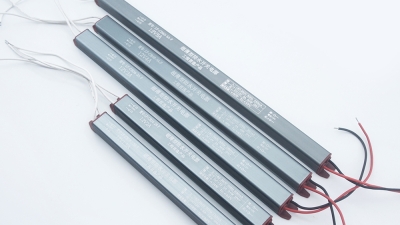
In today's fast-paced world, maximizing efficiency while maintaining aesthetics is more crucial than ever, especially in our homes and offices. The 18W Ultra-Slim LED Power Adapter is designed to meet this demand, merging cutting-edge technology with sleek design. With dimensions of just 172x18x18mm, this adapter can easily be hidden within linear light extrusions, behind mirrors, or in tight spaces like wardrobe and cabinet frames. Such innovative concealment allows for a clean, minimalist look, which is highly sought after in modern interior design.
According to recent industry reports, the demand for energy-efficient lighting solutions is on the rise, with a projected growth rate of 6.5% annually through 2025. This shift is largely driven by an increase in consumer awareness regarding sustainable practices. The 18W Ultra-Slim Power Adapter delivers a steady output of 12V or 24V, ensuring that your accent lighting remains both effective and visually appealing without the clutter of traditional power sources. By incorporating this adapter into your lighting plans, you not only enhance the ambiance of your space but also contribute to energy-saving efforts that are increasingly important to environmentally conscious consumers.
The seamless integration of technology in design is not merely a trend but a necessary adaptation to modern living. Utilizing tools like the 18W Ultra-Slim LED Power Adapter can transform ordinary spaces into extraordinary environments, making efficiency and style go hand in hand. With the capacity to support sophisticated lighting setups without compromising on aesthetics, this adapter is an essential addition to any contemporary home or office.
FAQS
: Evaluating cost versus performance is crucial as it helps consumers balance upfront expenses with long-term operational costs, ensuring they choose power supplies that offer the best efficiency and value over time.
While lower-cost power supplies may seem attractive initially, they often lead to compromised efficiency, resulting in higher electricity bills due to energy wastage over time.
Higher-performance power supplies may have higher initial costs but provide significant economic benefits through better energy efficiency, lower electricity costs, and longer lifespans, which reduce replacement frequency.
Efficient power supplies minimize energy waste and lower greenhouse gas emissions, making them essential for reducing environmental impact and supporting sustainable energy strategies.
Technologies like Artificial Intelligence and the Internet of Things improve energy management systems, allowing for better monitoring and control of energy use and contributing to increased efficiency in power supplies.
Gallium Nitride (GaN) and Silicon Carbide (SiC) are innovative materials that improve energy efficiency and meet the growing power demands of next-generation applications, particularly in AI infrastructure.
The market for GaN-based power adapters is projected to grow significantly, with expectations of reaching $6.5 billion by 2032 and a compound annual growth rate of nearly 14%.
The integration of AI drives the demand for higher computational power and energy efficiency in power supplies, leading to innovations that enhance power conversion efficiency and overall performance.
Investing in efficient power supplies allows businesses to lower their carbon footprints, support transitions to renewable energy, and align with sustainability goals, while also gaining economic advantages.
The power supply industry is likely to see significant enhancements in efficiency and performance due to the convergence of AI and next-generation power supply technologies, catering to the demands of various industries.