When you're setting up your LED lighting, choosing the right LED switch power supply can really make a difference in how well it performs and how long it lasts. In this guide, I’ll walk you through the main issues you might run into with different types of LED power supplies—so you can make a smarter choice that fits your specific needs. With over 19 years of experience in the Led Power Supply biz, JIANGXI MIJI ELECTRONICS AND TECHNOLOGY CO., LTD has built a solid reputation. We offer everything from rainproof and waterproof power supplies to standard switching power supplies. Thanks to our expertise, we’re pretty good at tackling common problems and providing solutions that keep your LED systems running smoothly and reliably. So, let’s dive in and explore what you need to know to pick the best LED switch power supply for your projects.
Understanding LED Switch Power Supply Basics
When you're picking out a LED switch power supply, it's pretty important to get a good grasp of the basics behind these things. Basically, a LED switch power supply takes in AC power and converts it into a steady DC output that's just right for LED lighting—helping everything run smoothly and last longer. Did you know? According to the latest report from MarketsandMarkets, the global LED power supply market is expected to hit around $5.61 billion by 2025. That’s mainly because more folks are after energy-efficient solutions, plus the LED lighting market is booming like crazy.
One thing that's really worth paying attention to is the efficiency rating. Generally, higher efficiency (say over 90%) means you're using more of the energy you pay for, which cuts down your electricity bills a bit and keeps things cooler, so your gear isn’t overworking itself. The U.S. Department of Energy even points out that boosting efficiency in power supplies can save people billions of dollars over time—and it’s also a big win for reducing greenhouse gases. So, when you’re choosing a power supply, make sure to look at the efficiency ratings along with voltage and current specs—that way, you’re pretty sure you’re getting the right stuff for your setup.
Key Factors to Consider When Choosing a Power Supply
Picking the right LED switch power supply is super important if you wanna keep your lighting system running smoothly. When you’re weighing your options, there are a few things you really should keep in mind. First off, think about how much power your LEDs need. It’s pretty key to match the voltage and current ratings of the power supply with your lights, otherwise you might end up with dim performance or even damage your setup. Also, look for power supplies that aren’t super wasteful — higher efficiency can save you some bucks on your electricity bills in the long run.
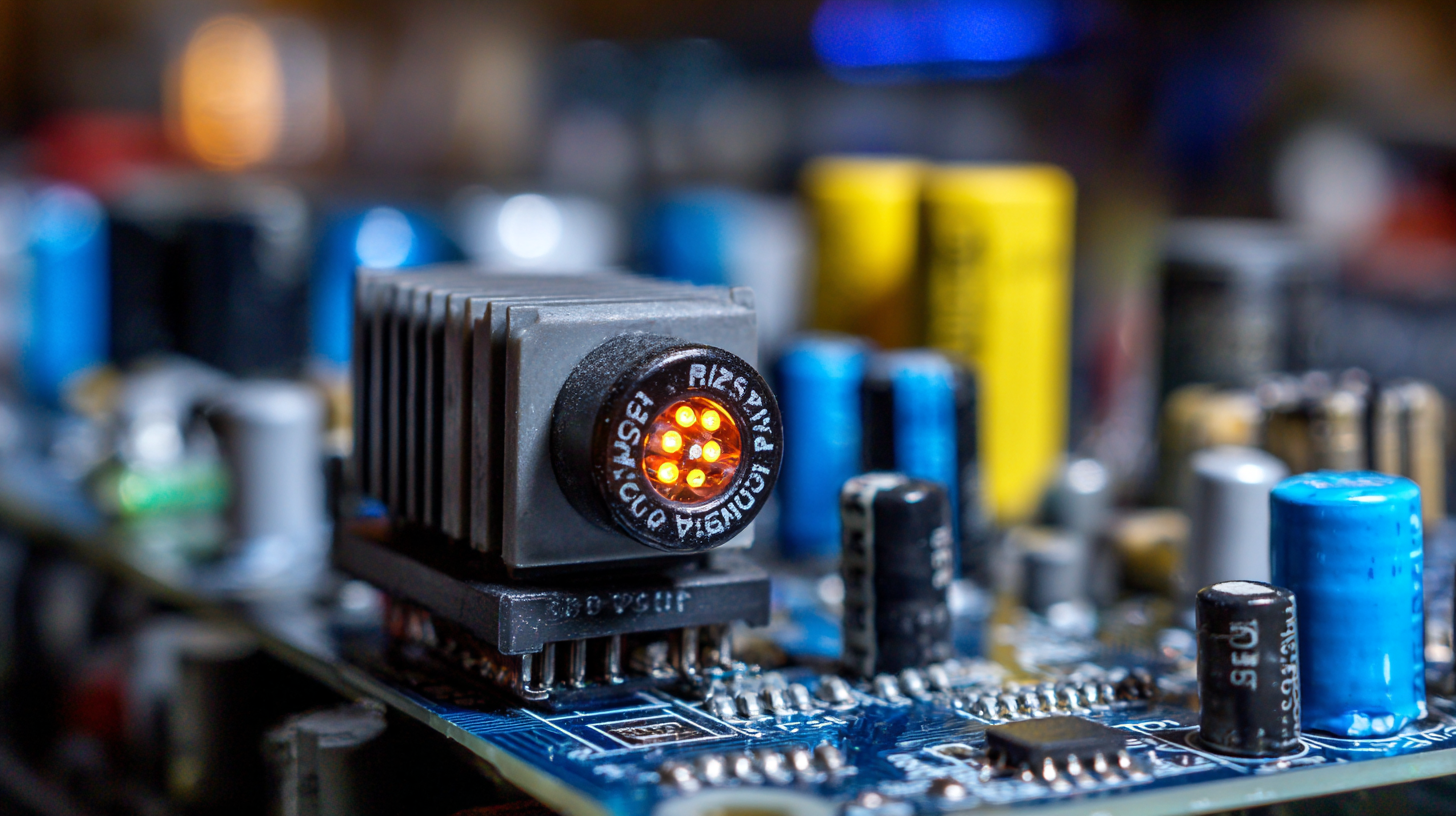
Another thing that matters quite a bit is how reliable and sturdy the power supply is. It’s worth sticking with models that have a good reputation and come from trusted brands. Features like overvoltage, thermal, and short-circuit protection can make a big difference in keeping everything safe and lasting longer. And don’t forget to check the size and shape — make sure it’ll fit where you wanna install it. Also, it’s a good idea to verify any certifications or regulations the unit follows, just to be safe. Overall, keeping these points in mind will help you pick the best power supply for your specific needs, without any headaches.
Types of LED Switch Power Supplies: Which is Right for You?
So, if you're trying to pick out an LED switch power supply, it's pretty important to understand the different types out there. The main ones you'll come across are constant voltage and constant current supplies. Basically, constant voltage units keep a steady output voltage, which works really well if you're running multiple LED strings that all need the same voltage. You'll often see these used in home or commercial lighting setups. On the flip side, constant current supplies push out a fixed amount of current regardless of voltage changes. That’s a big plus for high-power LEDs because it keeps everything bright and consistent without flickering.
Another thing to keep in mind is the size and design of the power supplies. Compact drivers are great if you're working in tight spaces, say, for DIY projects or small installations. But if you’re dealing with industrial settings, bigger, more rugged units are usually the way to go. And don’t forget to look at features like dimming options, how efficient they are, and how they handle heat — all these little details can really impact how long your system lasts and how well it performs. By thinking through what you really need and understanding these different types, you'll be able to pick something that makes your LED setup work smoothly, efficiently, and last longer.
The Ultimate Guide to Choosing the Best Led Switch Power Supply for Your Needs
| Type of LED Power Supply | Output Voltage | Output Current | Power Rating | Efficiency (%) | Cooling Method |
| Constant Voltage | 12V | 1A | 12W | 85 | Forced Air |
| Constant Current | 700mA | 700mA | 15.4W | 90 | Natural Convection |
| Dimmable | 24V | 2A | 48W | 87 | Heat Sink |
| Enclosed Power Supply | 36V | 1.5A | 54W | 88 | Fan Cooling |
How to Calculate the Right Wattage for Your LED Needs
When you're trying to pick the right LED switch power supply for your lights, one of the most important things to think about is wattage. Honestly, knowing how to figure out the right wattage makes all the difference—it helps your LEDs run smoothly without any hiccups. So, start by adding up the wattage of all the LED bulbs or fixtures you'll be hooking up. Don’t skip this step—using a power supply that's too weak can lead to dim lights, or worse, damage your whole setup.
And hey, it's always a good idea to add a little buffer just in case you plan to add more lights later or if there’s a sudden spike in power demand. Most folks recommend adding about 20% extra to your total wattage to keep things running reliably. For example, if your total comes to around 80 watts, go for a power supply rated for at least 96 watts. That way, you’re all set—your lights stay bright and safe now and in the future. Just follow these simple tips, and you'll end up with a lighting setup that’s not only perfect for today but ready for whatever comes next.
The Wattage Requirements for Different LED Applications
The Importance of Efficiency Ratings in Power Supplies
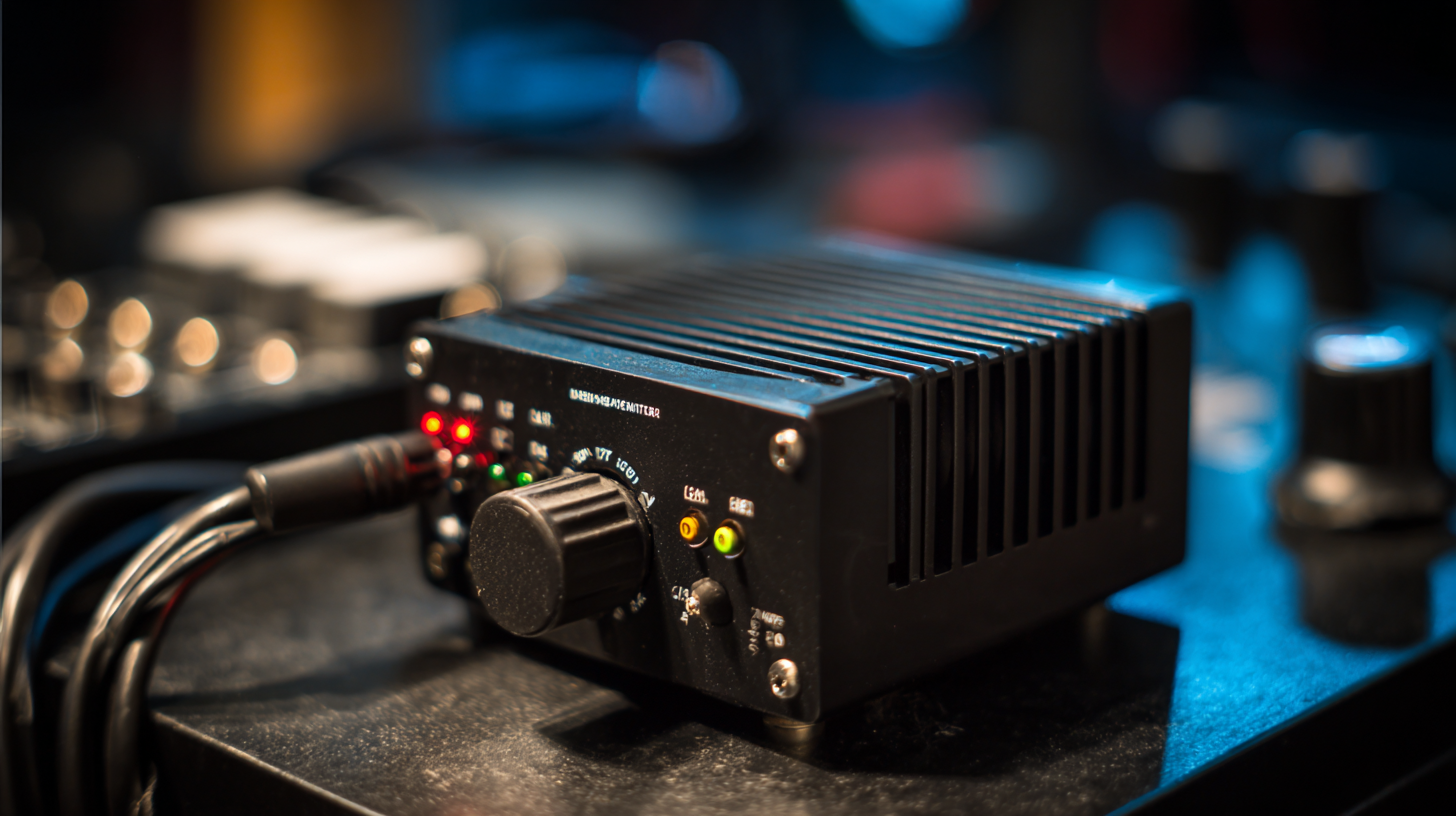
When you're shopping around for an LED switch power supply, it’s really important to get a good grasp of efficiency ratings. Basically, these ratings tell you how well a power supply transforms the electricity you put in into usable power for your device. The higher the rating—say, around 90% or more—the less energy gets wasted as heat. That’s a big deal these days, not just because it helps save the environment, but also because it keeps your operational costs low. Plus, a power supply with high efficiency tends to stay cooler, which means it lasts longer and reduces the need for extra cooling — pretty nice, right?
And honestly, these efficiency ratings aren’t just about saving energy. They can also help you stay compliant with certain regulations, especially if you’re working in regions with strict standards. Investing in a high-efficiency power supply might cost a bit more upfront, but it can really pay off over time — think lower electricity bills and fewer worries about overheating or replacing equipment too soon. Overall, by choosing the more efficient options, you're not just being eco-friendly; you're also making a smarter choice financially. It’s all about getting the best bang for your buck and making your setup as effective as possible.
Common Mistakes to Avoid When Selecting a Power Supply
When you're picking out a power supply, especially for LED switch power supplies, avoiding some common rookie mistakes can really make a difference in how smooth and reliable everything turns out. One thing a lot of folks overlook is actually figuring out what kind of power you really need. It’s not just about the wattage for your LED lights right now—you’ve gotta think about any future upgrades or extra gadgets you might add later on. Choosing a power supply that's too small or way bigger than needed can cause unnecessary problems or just not work as efficiently, which can be super frustrating down the line.
Another thing that trips people up is forgetting to check if your power supply plays nicely with what you already have. Make sure the voltage and current match up with your LED fixtures. Ignoring that might lead to damage or just making your setup run less than optimally. Also, don’t overlook the importance of picking a reputable brand. Investing in a well-known, trusted brand usually means better build quality and easier support if something goes wrong. It’s worth doing a bit of research—get it right, and your LED lighting experience will be way smoother and more satisfying overall.
Illuminate Your Space: The Ultimate Guide to Choosing a 36W Mini Power Supply for LED Mirrors
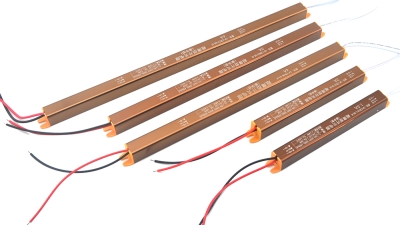
When it comes to choosing the perfect power supply for your LED mirrors, the 36W Mini LED Power Supply stands out as an exceptional choice. Designed specifically for tight spaces, its compact dimensions—283mm in length and just 18mm in profile—allow for seamless integration into any project. Whether you’re backlighting a small bathroom mirror or powering a vibrant mini lightbox, this power supply promises to deliver robust performance without taking up valuable space.
The versatility of the 36W Mini Power Supply is another significant benefit. Available in two configurations—12V at 3A and 24V at 1.5A—it caters to a wide range of lighting needs. This makes it ideal not only for personal projects but also for intricate designs like mini channel letters. Its ultra-slim design means you can hide it effortlessly, ensuring that the focus remains on your stunning illumination rather than on the hardware. Illuminate your space in style and with precision, making the most out of every corner while keeping a clean and polished look.
FAQS
: To calculate the total wattage requirement, add the wattage ratings of each LED bulb or fixture that will be powered by the supply.
Adding a safety margin, typically around 20%, helps accommodate fluctuations in power demand and ensures that the power supply can handle potential future expansions.
Using insufficient wattage can lead to underperformance of your LED lights and may even damage your lighting system.
It is recommended to choose a power supply with an efficiency rating of 90% or higher to minimize energy loss and reduce heat generation.
Higher efficiency ratings can lead to lower electricity bills by reducing wasted energy, ultimately lowering operational costs.
Many regions enforce strict energy standards, so selecting a power supply that meets or exceeds these regulations is essential for compliance and can avoid penalties.
High-efficiency power supplies not only minimize energy loss but also prolong the lifespan of the device, leading to lower maintenance and cooling costs.
By calculating the right wattage, adding a safety margin, and selecting high-efficiency power supplies, you can ensure a sustainable and adaptable lighting solution for current and future needs.
Understanding efficiency ratings helps make informed decisions, ensuring effective power conversion, compliance with regulations, and long-term savings on energy costs.
Yes, selecting a power supply with adequate wattage and efficiency ratings allows for possible future upgrades and additional fixtures, ensuring flexibility in your lighting system.
Conclusion
In our guide, "The Ultimate Cheat Sheet for Picking the Best LED Switch Power Supply," we dive into what really matters when you're trying to choose the right power supply for your LED projects. Honestly, getting a handle on the basics of LED switch power supplies is super important — you don't want to overlook things like wattage needs, efficiency, or end up making avoidable mistakes during your selection process. We also go through the different types out there, helping you figure out which one suits your specific setup best.
With nearly two decades of experience in this industry, Jiangxi MIJI Electronics and Technology Co., Ltd. offers a wide variety of products, from weatherproof to waterproof power supplies. Keep these key points in mind, and you’ll be able to pick a power supply that not only works great but also keeps your LED system running smoothly for the long haul. Trust me, a little knowledge can go a long way in making sure you get it right the first time!