Leave Your Message
0%

When you're kicking off a lighting project, choosing the right Led Driveris super important. Think of it as the core of your whole setup — it keeps everything running smoothly. A good Led Driver makes sure your lights stay consistent and don’t waste energy. Honestly, even the coolest LEDs won’t perform well if you pick the wrong driver.

There’s quite a bit to keep in mind when selecting one. Things like voltage, current regulation, and overall efficiency really matter. And don’t forget to check if it’s compatible with your fixtures — small details like that can really make a difference and sometimes trip you up if overlooked.

Not all LED drivers are created equal, either. Some might claim they’re super efficient but don’t hold up in real-life use. Others might work perfectly but come with a steep price tag. It’s worth taking the time to weigh these factors — picking a reliable driver is key, and it can save you a lot of headaches later on. Do your homework, and make sure you’re not missing something that could turn your project into a headache. Your setup deserves the best, after all!
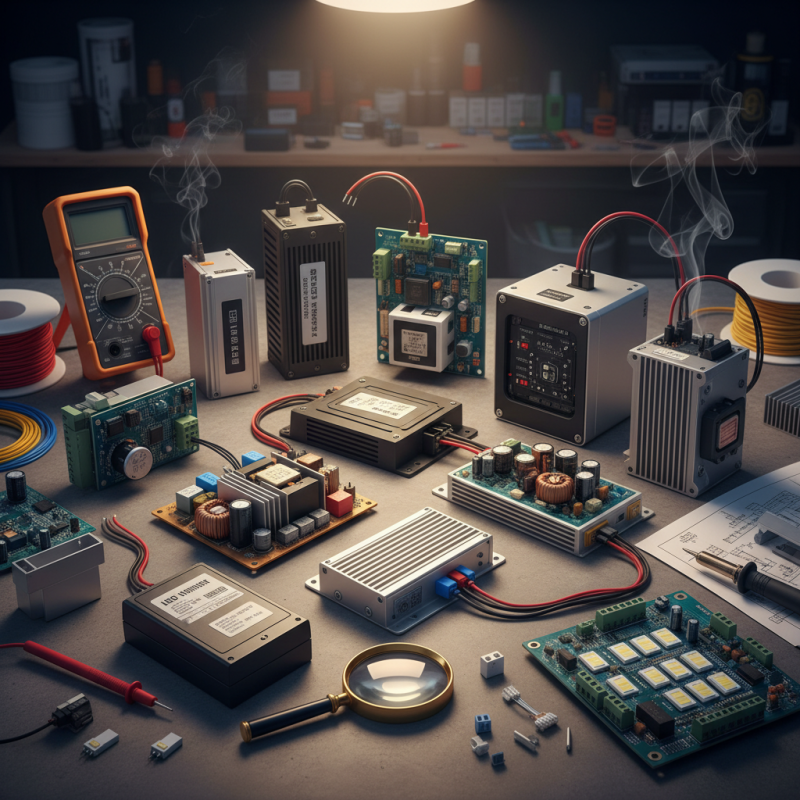
Top 10 Tips for Choosing the Right LED Driver for Your Project?

Understanding LED Driver Basics and Functionality

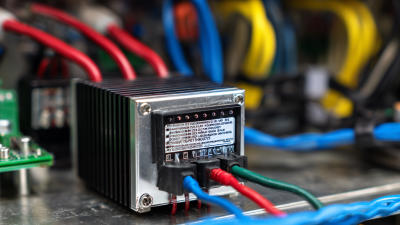
Choosing the right LED driver is crucial for your project. Understanding the basics helps in making informed decisions. LED drivers manage Power Supply to light-emitting diodes, ensuring optimal performance and longevity. A well-selected driver enhances energy efficiency and reduces maintenance costs.

When selecting a driver, consider the output voltage and current. Different LEDs require specific voltage levels. For instance, a standard LED may need 12V, while others function well at 24V. Misalignment here can lead to flickering or failure. A report from the Lighting Research Center indicates a 30% energy savings when paired with the correct driver.

Tip: Always check for compatibility between your Led Module and driver. This alignment is key. Additionally, look for drivers with dimming capabilities. Dimming options can significantly extend LED lifespan. Reports suggest that reducing voltage to 80% can double the lifetime of an LED fixture.

Finally, assess thermal management. Overheating can lead to inefficiency. A good driver should have a robust thermal performance specification. Pay attention to these details to ensure a successful lighting project.

Top 10 LED Driver Features and Importance for Your Project

Evaluating Power Requirements for Your LED Project

When evaluating power requirements for your LED project, the first step is to determine the total wattage needed. Count the number of LEDs and their power consumption. Most small LED chips use around 0.2 to 0.5 watts each. If your design has ten chips, that totals up to about 2 to 5 watts. It's essential to be precise here. If you underestimate, your Led Driver 12v may not be able to handle the load.

Next, consider the voltage requirements. Most LEDs operate on low voltage, typically 12V. Ensure the driver you choose can supply this voltage consistently. A mismatch may lead to flickering or even burning out the LEDs. Additionally, think about the current ratings. Each LED has a specified current rating. Exceeding this can damage the LED, while insufficient current can cause performance issues.

Lastly, don't forget to factor in your project’s environment. Will it be indoor or outdoor? Will temperature fluctuations occur? These elements can affect the driver’s performance and longevity. It’s worth revisiting your design if your initial calculations seem off. A well-planned approach now can save a lot of hassle later.

Selecting the Right Output Voltage and Current Ratings

When selecting an LED driver, the output voltage and current ratings are crucial. An Led Driver 24v typically works well for various applications. However, choosing the right voltage is not always straightforward. Many people overlook the fact that higher voltage may not mean better performance. Consider your specific project needs.

The current rating is equally important. An underpowered driver may not illuminate the LEDs effectively. Conversely, an oversupply can damage the lights. Aim for balance. Test your setup with different settings before finalizing the specifications. It’s a real challenge to find the perfect match.

Don’t rush into decisions. Take your time to analyze voltage drops and power loss. Experimentation often leads to better outcomes. Mistakes are part of the process. Your first choice may not always be the best. Keep adjusting. Every project is unique, and finding the right LED driver requires patience and careful consideration.

Top 10 Tips for Choosing the Right LED Driver for Your Project

Tip Number Tip Description Recommended Output Voltage (V) Recommended Output Current (A) Efficiency (%)
1 Understand your LED specifications 3.0 0.1 85
2 Choose constant current vs constant voltage 12.0 0.3 90
3 Consider ambient temperature 24.0 0.4 87
4 Ensure protection features 5.0 0.2 92
5 Check dimming capabilities 9.0 0.25 88
6 Evaluate thermal management 18.0 0.5 89
7 Select the right form factor 36.0 1.0 93
8 Consider the lifetime expectancy 27.0 0.7 91
9 Check for certifications and standards 30.0 0.8 94
10 Assess cost versus performance 15.0 0.6 90

Considering Dimming Options and Control Features

When selecting an LED driver, consider dimming options and control features carefully. Many projects require flexible lighting control. Dimming allows for energy savings and enhances mood. Different drivers offer varied dimming types like PWM, analog, or digital. Each has unique advantages. For example, PWM is highly efficient, while analog is simpler to implement.

Control features are equally vital. Look for drivers that easily integrate with smart systems. Some drivers support wireless control, making future upgrades easy. Think about how you want to control the lights. Remote control? Perhaps a mobile app? It’s essential to match the driver with your desired setup.

Often, users underestimate the importance of compatibility. Not every driver works with every LED or control system. Testing different combinations can yield unexpected results. Getting this right requires trial and error. Don’t rush; finding the perfect balance between control and efficiency takes time. Prioritize your needs, but remain open to adjustments along the way.

Assessing Efficiency and Thermal Management in LED Drivers

When selecting the right LED driver, assessing efficiency and thermal management is critical. LED drivers are essential in ensuring your lighting system operates smoothly. High efficiency translates to lower energy costs and an extended lifespan for your LEDs. A good driver minimizes energy loss, ensuring more light output for less input.

Consider the thermal management aspects of the 150w Led Driver. Heat can decrease performance and longevity. Look for drivers with built-in thermal protection features. These can help prevent overheating, preserving your project’s integrity. Pay attention to the materials used in constructing the driver as well. Quality components can significantly impact cooling efficiency.

Don't forget about dimming options. A driver that offers smooth dimming can enhance user experience. Ensure it aligns with your project requirements. Always think about future needs. Sometimes, you may find that an even more efficient model suits your project better. Efficiency is not just about today; it’s about long-term performance. Choose wisely!

Exploring Different Types of LED Drivers Available on the Market

Top 10 Tips for Choosing the Right LED Driver for Your Project?

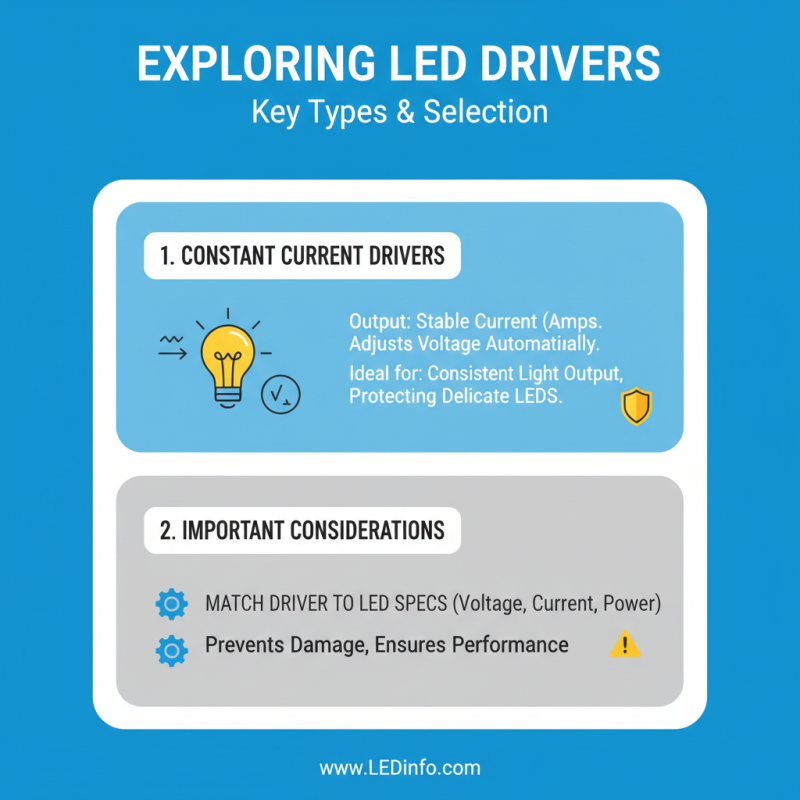
When selecting an LED driver, understanding the various types available is essential. Constant current drivers are popular for applications needing stable light output. These devices adjust the voltage automatically to maintain a consistent current. This feature is crucial in preventing damage to delicate LED components. However, many users might overlook the importance of matching the driver to the LED specifications.

On the other hand, constant voltage drivers offer an alternative approach. They provide a steady voltage, allowing users to connect multiple LEDs in parallel. This flexibility can be beneficial in larger projects, but it requires careful planning. Overlooking the maximum current limit can lead to efficiency losses and decrease the lifespan of your LEDs.

Switching drivers are another option worth exploring. They convert AC to DC power, which can be useful in specific installations. Yet, one must consider the added complexity in the installation process. There might be an extra learning curve for those unfamiliar with electronics. Each type comes with its own difficulties, so testing and adjusting may be necessary for optimal performance.

Checking Compatibility with LED Fixtures and Systems

Top 10 Tips for Choosing the Right LED Driver for Your Project?

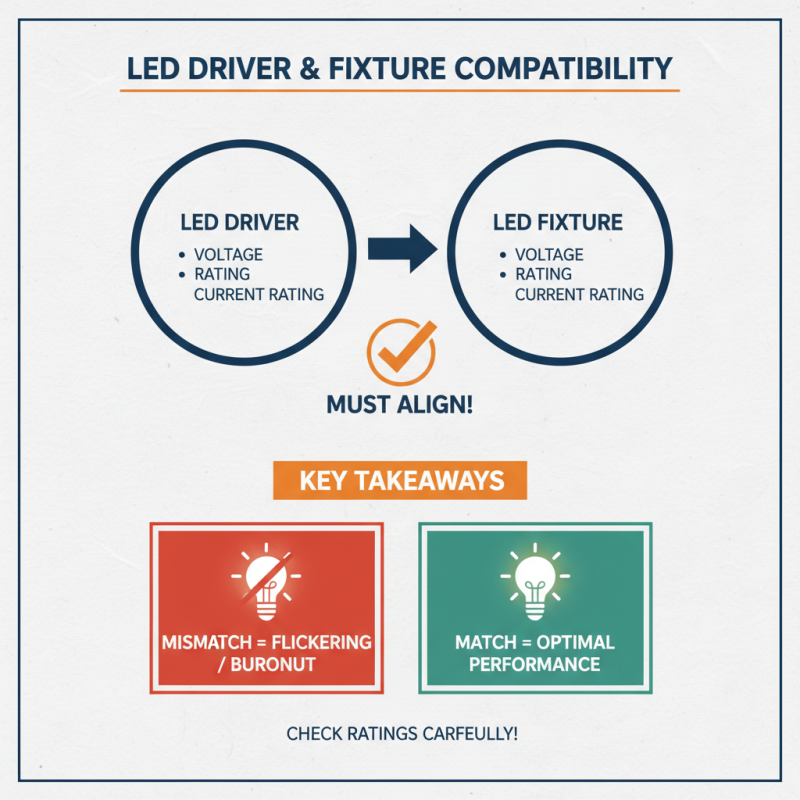
When selecting an LED driver, compatibility with LED fixtures is crucial. Not all drivers work with every fixture. The voltage and current ratings of both components must align perfectly. A mismatch can lead to flickering lights or, worse, burnout.

It's essential to check the specifications of your LED fixtures. Note the power requirements and the type of light emitted. If you use an Ip67 Led Driver, ensure it meets the environmental conditions. This driver is suitable for wet and dusty areas, making it ideal for outdoor applications.

Consider the control method, too. Some fixtures require dimming or programmable settings. If the driver cannot support these features, your project could suffer. Compatibility is not just about numbers; it involves functional alignment as well. Reflect on these concerns before making your choice. The right LED driver enhances your project’s performance.

Top Choice 12V 400W Outdoor Power Supply: Unmatched Reliability and Value for Your LED Advertising Needs

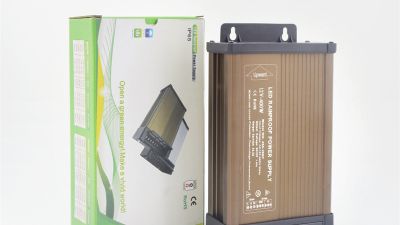
When it comes to powering outdoor LED advertising and signage, the Top Choice 12V 400W Outdoor Power Supply stands out as the leader in the market. This robust power supply not only delivers an impressive output of 33.3 Amps but is also designed to withstand the challenges of outdoor environments. Its rainproof construction ensures durability, allowing businesses in demanding markets—including India, Vietnam, and UAE—to rely on this unit for uninterrupted service.

This outdoor power supply is distinguished by its commitment to quality and reliability. Utilizing only new components, including high-quality capacitors, each unit undergoes a stringent two-hour burn-in test at full load. Such rigorous testing confirms an exceptionally low failure rate of under 0.1%, making it a safe investment for critical advertising infrastructure. Additionally, with a two-year warranty backing its performance, users can have peace of mind knowing they are equipped with a product designed for longevity.

Practical design features such as sliding and flip covers enhance its usability, allowing for easy access during installation and maintenance. According to industry reports, the demand for reliable outdoor power solutions continues to grow, particularly as LED applications proliferate worldwide. The blend of exceptional value and dependable performance presented by the 12V 400W power supply positions it as an essential tool for businesses looking to optimize their outdoor advertising strategy.

FAQS

: What should I consider when selecting the output voltage for an LED driver?

: Consider your project's specific needs. Higher voltage does not always mean better performance.

Why is the current rating important for LED drivers?

The current rating is crucial. An underpowered driver won’t illuminate LEDs well. An oversupply can damage them.

What should I do if I am unsure about the voltage and current settings?

Experiment with different settings. Testing your setup helps find the right balance for effective performance.

Can mistakes during the selection of an LED driver be helpful?

Yes, mistakes are part of the process. Your first choice may not be the best. Keep adjusting and learning.

What are constant current drivers used for?

They are used for stable light output. They adjust voltage to maintain a consistent current, protecting LEDs.

How do constant voltage drivers differ from constant current drivers?

Constant voltage drivers maintain steady voltage. They allow connecting multiple LEDs in parallel, but need careful planning.

What is a switching driver?

A switching driver converts AC to DC power. It can be useful but adds complexity to the installation.

Is there a downside to using different LED driver types?

Yes, each type has difficulties. Testing is required to ensure they perform optimally in your setup.

Conclusion

When embarking on an LED project, selecting the right LED driver is crucial for achieving optimal performance and efficiency. Understanding the basics of LED drivers entails recognizing their functionality in regulating power to LED fixtures. It's important to evaluate the power requirements of your project, ensuring the driver can meet the expected specifications for output voltage and current ratings.

Additionally, considering dimming options and control features can enhance the versatility of your LED installation. Assessing the efficiency and thermal management capabilities of the LED driver is vital for longevity. With various types of LED drivers available, ensuring compatibility with your chosen LED fixtures and systems will help streamline installation and maximize performance. By carefully considering these factors, you can make informed decisions to successfully execute your LED project.

Ethan

Ethan

Ethan is a seasoned marketing professional at Jiangxi MIJI Electronics and Technology Co., Ltd., a company that has been at the forefront of the LED power supply industry since its inception in 2005. With over 19 years of specialization, MIJI has established itself as a trusted provider of......
Previous Optimizing Lifespan and Reducing Maintenance Costs of Waterproof Led Power Supplies