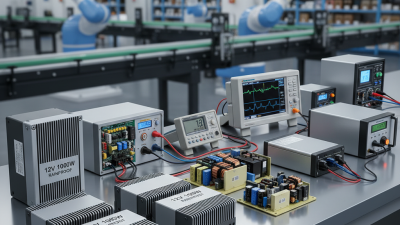
When it comes to electronics, having a reliable power source is kind of a big deal. For lots of different projects, the Single Output Power Supply really stands out. It’s great at delivering a steady, consistent voltage—that’s super important if you want your devices to run smoothly and accurately. But with so many options out there, it can honestly be pretty overwhelming, especially if you're shopping from across the globe.
There are some big-name brands that folks trust, like Mean Well and CUI Inc. They’ve got a bunch of models designed to meet different needs. These companies really focus on quality and reliability. That said, not every Power Supply is made equal, and it’s important to pay attention to things like voltage requirements and efficiency ratings.
Taking a close look at the specs is totally a must. Making an informed choice here can actually help your device last longer and perform better. On the flip side, some people might skip over these details, which could cause problems down the road. Also, balancing cost with what you actually need is something to keep in mind—after all, each option has its pros and cons. Before you lock anything in, think about your specific use case—because, honestly, the perfect Single Output Power Supply is out there, but finding it does take a bit of research and thought.
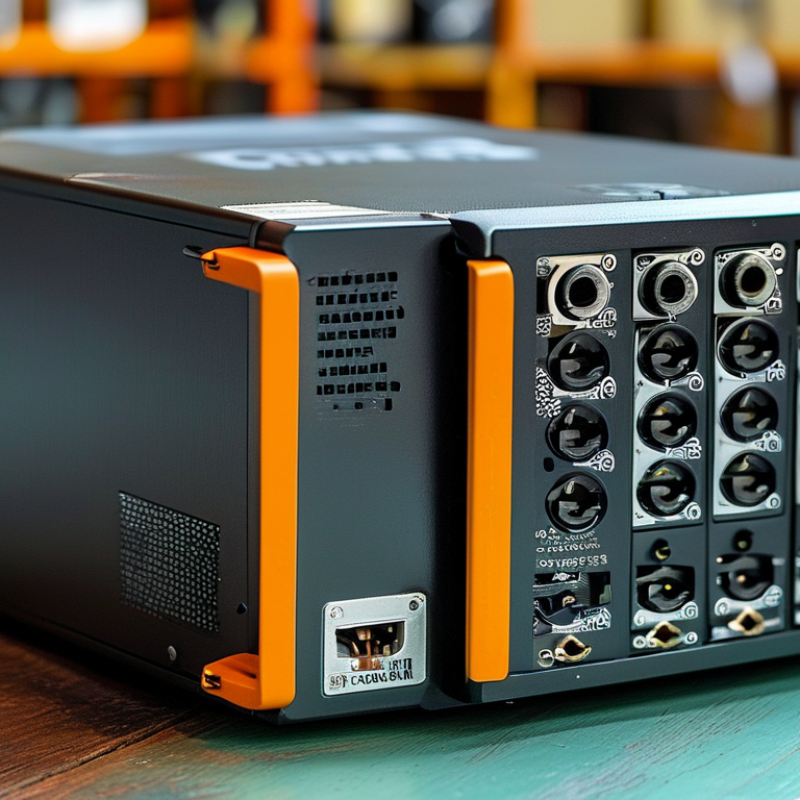
Understanding Single Output Power Supplies and Their Applications
Single output power supplies are essential in many applications. They convert AC to DC power efficiently. These supplies are commonly used in industrial machines, telecommunications, and consumer electronics. Each application requires specific voltage and current levels. Understanding these needs is crucial for selecting the right power supply.
When choosing a single output power supply, consider the output voltage and current capacity. Pay attention to efficiency ratings as well. A power supply with high efficiency can save energy costs over time. However, don’t overlook the importance of stability. Fluctuating output can affect connected devices negatively.
Potential issues may arise during selection. Some users may prioritize price over quality, leading to performance problems. It’s essential to balance cost and reliability. Researching various options can help locate a suitable supply. Choosing wisely ensures longer-lasting equipment performance. Reflecting on these factors can enhance decision-making and application success.
Top 10 Single Output Power Supply Options
Key Features to Consider When Selecting Single Output Power Supplies
When selecting a single output power supply, several key features are vital to ensure optimal performance. First, consider the voltage and current ratings. It's crucial to match the output specifications with your device's requirements. An underpowered supply may lead to equipment failure. Similarly, an overpowered unit can cause damage.
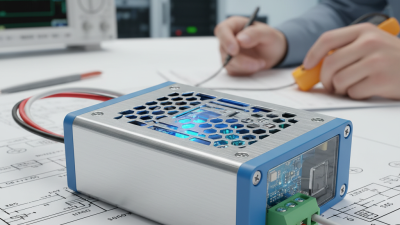
Another important aspect is thermal management. Single Switching Power Supply units generate heat; proper heatsinking or cooling mechanisms are necessary. High temperatures can negatively affect lifespan. Look for designs with efficient thermal dissipation features. This reduces maintenance issues and enhances reliability.
**Tips:** Choose units with built-in protections against overload, short circuits, and overheating. Such features enhance safety and protect connected devices. Ensure the supplier provides clear specifications and performance data. A reliable supplier contributes to your project's success.
Lastly, consider size and mounting options. Compact designs are suitable for space-constrained applications. Yet, make sure they meet cooling and airflow requirements. Poorly designed installations can lead to inefficiencies. Always reflect on the power supply's integration into your system. A suitable choice supports seamless operation.
Top Brands and Manufacturers of Single Output Power Supplies
When exploring the leading brands and manufacturers of single output power supplies, reliability is paramount. According to industry reports, the global power supply market is expected to grow significantly, reaching approximately $25 billion by 2025. This growth highlights a booming demand. Many buyers now prioritize safety and performance, impacting their purchase choices.
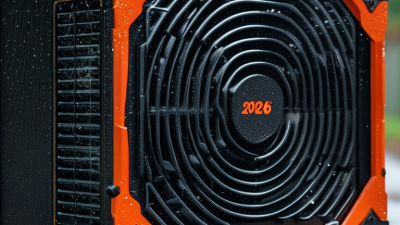
One prominent focus in the market is the 12 Power Supply 1000w Rainproof Power Supply. Its design offers durability in various environments, making it a preferred option. Top manufacturers often highlight their commitment to quality, but variability still exists. There are notable differences in efficiency and stability across products. Customers should carefully assess these attributes before deciding.
As buyers navigate options, they often encounter information overload. This complexity sometimes leads to less-than-ideal choices. In a saturated market, distinguishing which brands truly meet rigorous standards can be challenging. Trusted presentations of data and authentic user reviews become vital in this decision-making process. Therefore, it's essential to seek out sources that provide clear comparisons and technical specifications to ensure informed purchases.
Top 10 Single Output Power Supply Options for Global Buyers
| Model | Output Voltage (V) | Output Current (A) | Wattage (W) | Efficiency (%) | Dimensions (mm) | Weight (kg) |
| Model A | 12 | 5 | 60 | 85 | 200 x 100 x 30 | 1.2 |
| Model B | 24 | 3 | 72 | 90 | 220 x 115 x 40 | 1.5 |
| Model C | 5 | 10 | 50 | 80 | 180 x 80 x 25 | 0.8 |
| Model D | 15 | 4 | 60 | 87 | 250 x 125 x 50 | 1.7 |
| Model E | 30 | 2 | 60 | 95 | 290 x 140 x 50 | 2.0 |
| Model F | 10 | 6 | 60 | 92 | 230 x 115 x 38 | 1.6 |
| Model G | 20 | 3.5 | 70 | 89 | 260 x 130 x 55 | 1.9 |
| Model H | 48 | 2 | 96 | 95 | 300 x 150 x 60 | 2.5 |
| Model I | 15 | 8 | 120 | 91 | 280 x 130 x 55 | 2.0 |
| Model J | 12 | 4.5 | 54 | 88 | 220 x 110 x 40 | 1.3 |
Comparison of Performance Metrics for Leading Power Supply Models
When selecting a power supply, performance metrics are crucial. Efficiency, load regulation, and ripple voltage are three key metrics to consider. An efficient power supply converts more input energy into usable output, minimizing waste. Load regulation measures how much the output voltage varies with changes in load. Low ripple voltage indicates a cleaner power output, which is essential for sensitive electronics.
Different models offer varying performance levels. Some models excel in efficiency while others prioritize low ripple. It's essential to assess the specific requirements of your application. For instance, high-efficiency units may be ideal for renewable energy sources. They can minimize operational costs over time. However, they might not always meet low ripple requirements.
There is a tendency for some buyers to overlook these metrics. Focusing solely on wattage or price can lead to poor choices. Users should investigate how each model performs under different loads. Testing their reliability in real-world situations is vital. Power Supply Units should provide steady performance consistently, even when conditions fluctuate. Constant analysis is necessary to ensure the chosen unit meets both current and future needs.
Pricing Trends and Cost Considerations in Single Output Power Supplies
The global market for single output power supplies is undergoing notable changes in pricing trends. A recent report by Research and Markets indicates that the global market for power supplies is projected to reach $40 billion by 2026. Factors influencing these prices include advancements in technology, increased manufacturing costs, and the rising demand for efficient energy solutions.
For buyers, cost considerations are critical. Single output power supplies typically range from $10 to over $100, depending on specifications. The complexity of the design, efficiency ratings, and safety certifications significantly contribute to the price. Furthermore, as demand for innovative solutions like Rainproof Power Supply units grows, costs are expected to fluctuate. This could lead to challenges for manufacturers regarding profit margins.
Organizations should also consider durability and reliability. While cheaper options may be appealing, they often compromise on quality. Investing in more robust, certified power supplies can reduce long-term operational costs. It's essential for buyers to weigh these factors. The evolving market dynamics call for a thoughtful approach to purchasing decisions.
Reviews and Ratings of Popular Single Output Power Supply Options
When selecting a single output power supply, buyers need reliable information. According to a recent industry report, the power supply market is projected to grow at a CAGR of 5.0% through 2027. This growth indicates increasing demand for high-quality power solutions across various applications.
User reviews and ratings play a vital role in decision-making. Many users highlight efficiency as a critical factor. Efficient models minimize energy waste and lower costs. However, not every model meets high standards. Some options lack adequate voltage stability, which can lead to device failures.
Furthermore, it’s essential to consider safety features. Many power supplies come with over-voltage and over-current protection. These features prevent equipment damage and ensure longevity. Yet, some units lack proper certifications. This poses a risk to both users and equipment alike. While it may be tempting to choose cheaper options, this can lead to higher long-term costs.
Future Trends in Single Output Power Supply Technology and Innovations
As single output Power Supply technology evolves, several trends are shaping its future. Efficiency and compact design are now crucial. Many manufacturers focus on optimizing energy conversion to minimize waste. This is essential as industries push for greener solutions. Furthermore, integrating smart features in power supplies enhances performance. These include real-time monitoring and AI-driven adjustments.
Tips: Consider power supply efficiency ratings when making purchasing decisions. Higher efficiency often leads to lower operational costs in the long run.
Another trend is the rise of modular designs. These designs allow flexibility and customization. Users can choose specific modules based on their requirements, making power supply systems more versatile. Innovation in cooling methods is also noteworthy. Advanced thermal management ensures reliability and longevity for various applications.
Tips: Aim for power supplies with advanced thermal management features. These systems can significantly extend the lifespan of your equipment.
In embracing these trends, stakeholders must continuously adapt. Balancing cost, performance, and sustainability remains a challenge. Reflecting on these choices can lead to better decisions and improved technology adoption. Ultimately, the future of power supply technology looks promising, paving the way for enhanced capabilities.
FAQS
: Efficiency, load regulation, and ripple voltage are crucial performance metrics to assess.
An efficient power supply converts more input energy into usable output, minimizing waste and operational costs.
Load regulation measures output voltage variation with changing loads, ideally keeping it minimal.
Low ripple voltage means a cleaner power output, which is critical for sensitive electronic devices.
Prices range from $10 to over $100, depending on specifications and features.
Technology advancements, manufacturing costs, and the demand for efficiency impact pricing trends.
Cheaper options might compromise quality, leading to higher long-term operational costs.
Reviews provide insights into efficiency and reliability, helping buyers make informed decisions.
Safety features like over-voltage protection prevent equipment damage and ensure reliable performance.
Fluctuating costs and quality variations require a thoughtful approach to purchasing decisions.
Conclusion
Single Output Power Supplies are essential components in various applications, providing a stable and reliable power source for electronic devices. Understanding their key features is crucial for selecting the right model, as factors such as voltage stability, efficiency, and load capacity play significant roles. This article explores the leading brands and manufacturers in the market, comparing performance metrics of popular models to help buyers make informed decisions.
Additionally, it delves into current pricing trends and cost considerations, ensuring that consumers understand the financial aspects of their investment. Reviews and ratings of single output power supply options provide insights into user experiences, while future trends indicate advancements in technology and innovations that could enhance performance and efficiency. Overall, this article serves as a comprehensive guide for global buyers seeking optimal single output power supply solutions.