You know, the demand for really good quality lighting solutions is just skyrocketing worldwide right now. That’s where the Injection Led Module comes into play — it's becoming super important. I recently came across a report from Allied Market Research, and it said that by 2025, the global LED market might hit a whopping $158 billion, growing at about 13.2% annually. No kidding! This trend just shows how much people are leaning on energy-efficient lighting, especially in areas like advertising, building design, and even in cars.
Big names like Philips and Osram are really stepping up their game with Injection Led Modules, focusing on making them tougher and more efficient. But here’s the thing — with so many options out there, buyers can get pretty overwhelmed trying to pick the right one. A good Injection Led Module should not only give off bright, consistent colors but also handle environmental wear and tear without breaking a sweat. So, shoppers really need to dig deep and compare different products to find ones that are both reliable and high-quality.
Oh, and there’s another thing to keep in mind — some Injection Led Modules on the market might not meet all the environmental standards. That’s kinda worrying because it could affect not just the planet but also how happy consumers are with their purchases. So, it’s super important for buyers to scrutinize their options carefully and go for modules that deliver solid performance while also being eco-friendly. Doing your homework and relying on trusted reviews and data is definitely the way to go in this competitive space.
Overview of Injection Led Modules in the Market Today
Injection LED modules are gaining popularity in the lighting market. These modules are compact, energy-efficient, and versatile. They are used in various applications, including signage, architectural lighting, and decorative displays. Their small size allows for creative designs that traditional lighting cannot achieve.
Today’s market offers a wide range of injection LED modules. They vary in brightness, color temperature, and efficiency. Understanding the specific needs of each project is essential. Not all modules are suitable for every application. Some may not provide the desired brightness for larger spaces. Others might not be as durable in outdoor settings.
It is crucial to assess the reliability of the manufacturers. Some claims might be overstated, leading to potential disappointment. Testing the performance in real conditions is wise. Consider the life expectancy and warranty options. Seeking expert opinions can help navigate this complex market.
Key Factors to Consider When Choosing Injection Led Modules
When selecting injection LED modules, several key factors come into play. The quality of the materials used is paramount. A report from the LED Lighting Facts program indicates that high-quality components enhance durability and efficiency, leading to better long-term performance. The clarity of the light output is another critical aspect. Look for modules that provide consistent brightness levels across various conditions to ensure effective illumination.
Energy efficiency is also essential. According to the Department of Energy, LEDs can reduce energy consumption by up to 75% compared to traditional lighting. This not only decreases operational costs but also benefits the environment. Be mindful of the thermal management features, as overheating can shorten the lifespan of LED modules. Ensure that the products you consider have adequate heat dissipation systems.
Tips: Always verify the lumens per watt ratio. This metric indicates energy efficiency. Consider potential warranty durations. A longer warranty often reflects manufacturer confidence in product reliability. Don't overlook installation simplicity; modules requiring complex setups can incur extra labor costs.
Top 10 Injection Led Modules: Features and Specifications
When considering Led Module options, it's essential to focus on features and specifications that suit your needs. These modules can vary widely in brightness, power consumption, and color temperature. A deeper understanding of these specifications helps you make informed decisions.
Choosing the right injection LED module can significantly impact your project. Look for modules that offer energy efficiency and long lifespan. Check the lumen output and ensure it matches your requirements. A high Color Rendering Index (CRI) is also essential for applications where true color representation matters.
Tips: Pay attention to the thermal management characteristics of LED modules. Proper heat dissipation enhances reliability and performance. Always review user feedback to understand longevity and usability. Sometimes, you may find that what seems perfect on paper doesn't perform well in real-life scenarios, so testing different options can be helpful.
Top 10 Injection LED Modules - Features and Specifications
Comparative Analysis of Popular Injection Led Modules
When examining popular injection LED modules, specific features stand out. The efficiency ratings and brightness levels play crucial roles. A recent market analysis highlights that LED modules over 1,000 lumens demonstrate a 20% longer lifespan compared to lower-rated models. This data suggests that investing in high-performance modules can yield cost savings over time.
The usage of various injection LED modules, such as the Led 3 Module, shows growing adoption in diverse applications. Different modules offer different color temperatures. This variation allows users to select modules that best fit specific lighting needs. However, it's important to note that compatibility with existing systems can sometimes be tricky. Users may face challenges when retrofitting older installations with newer technology.
Critically, while many modules boast high efficiency, some may underestimate thermal management needs. Poor heat dissipation can lead to reduced performance and higher failure rates. Industry experts recommend thorough thermal assessmentswhen selecting LED modules. This ensures that modules, including the Led 3 Module, are suitable for the intended environment. Makinginformed choices is essential for reliability in the long run.
Application Scenarios for Injection Led Modules
Injection LED modules are becoming increasingly popular for diverse applications in the lighting industry. According to a recent market report, the global LED lighting market is projected to reach $123 billion by 2025, largely driven by the demand for energy-efficient solutions. Injection LED modules are a significant segment within this market, favored for their durability and performance.
One primary application of injection LED modules is in outdoor lighting. Municipalities leverage these modules for street lighting due to their longevity and lower energy consumption. Data shows that switching to LED streetlights can reduce energy costs by up to 50%. However, even with these benefits, the transition can face hurdles, including high initial costs and the need for specialized installation training.
Another crucial area is in commercial signage. Injection LED modules offer vibrant colors and high brightness, making them suitable for illuminated signs. Reports suggest that well-lit signage can increase customer attraction rates by up to 30%. Despite these advantages, there are challenges, such as potential color fading over time and the need for regular maintenance to ensure optimal performance. Users must weigh these aspects critically to maximize benefits.
Cost Considerations for Global Buyers of Injection Led Modules
When considering the cost of injection LED modules, global buyers must analyze several factors. A major aspect is the initial expenditure for materials and technology. Reports indicate that prices can vary significantly based on production efficiency and raw material costs. For instance, a detailed analysis shows that the cost of a 12v Led Module can range from $0.50 to $3.00 each, largely influenced by the complexity and customization required.
Installation and operational costs also play a critical role. While the upfront cost is important, long-term savings through energy efficiency should not be overlooked. Studies show that high-quality injection LED modules can reduce energy consumption by up to 80%, resulting in significant savings over time. Furthermore, global buyers should consider the potential maintenance costs associated with these products. Not all modules are created equal, and cheaper options might lead to higher maintenance due to lower durability.
Another consideration is logistical expenses. Import tariffs and shipping costs can further complicate pricing strategies for international buyers. According to industry reports, these additional costs can add 10-20% to the overall price. It is essential for buyers to evaluate all these factors, ensuring they balance upfront costs against long-term benefits and sustainability. Focusing on reliable suppliers can help mitigate risks associated with cost fluctuations in the injection LED market.
Future Trends in Injection Led Module Technology
The future of injection LED module technology is promising and dynamic. As more industries adopt LED solutions, innovation continues to shape this field. Improvements in energy efficiency are essential. Advances in materials and design will enhance the reliability of these products. New thermal management techniques are being explored to prolong the lifespan of modules. The introduction of smart lighting technologies is also on the rise.
With a focus on user needs, injection LED modules will feature customizable options. These will allow users to adjust brightness and color temperature seamlessly. Connectivity is becoming a key aspect, making remote control features more prevalent. However, there are challenges to address. Not all manufacturers prioritize quality, leading to inconsistencies in performance. Buyers often face confusion over specifications, contributing to uncertainties in decision-making.
Sustainability remains a critical trend. The shift to eco-friendly materials is gaining momentum. Manufacturers are considering the entire lifecycle of products. Despite progress, cost remains a barrier for widespread adoption. More research is required to balance affordability with innovation. As the market evolves, consumers should remain vigilant and informed about the latest technologies, particularly when looking at options like the Led Module 12v.
Revolutionizing Power Efficiency: Insights from the Latest Industry Reports on High-Efficiency 5V 300W Slim LED Display Power Supply
In the rapidly evolving landscape of LED display technology, power efficiency has emerged as a critical factor influencing both performance and sustainability. Recent industry reports indicate that high-efficiency power supplies, particularly the 5V 300W Slim LED Display Power Supply, are making significant strides in enhancing overall energy consumption, with efficiency ratings soaring as high as 91%. Such advancements not only reduce electricity bills but also lower the carbon footprint associated with powering LED displays.
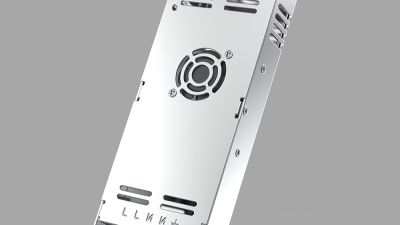
The Switched-Mode Power Supply (SMPS) features a compact design with an ultra-slim profile of just 30mm, making it ideal for diverse applications, from rental displays to outdoor advertising signage. According to studies, the integration of premium components, such as double-sided PCBs and all-copper transformers, plays a pivotal role in achieving these impressive efficiency levels. Furthermore, robust safety features like undervoltage protection, current limiting, and short circuit protection ensure that these power supplies not only perform reliably but also meet the rigorous demands of professional installations.
As the demand for energy-efficient solutions continues to grow, OEM customization options are becoming increasingly valuable for businesses looking to tailor power supplies to specific project requirements. This trend aligns with industry predictions highlighting that the market for advanced LED display power solutions will expand substantially in the coming years, driven by the need for greater energy efficiency and performance in competitive environments.
FAQS
: Injection LED modules are used in signage, architectural lighting, and decorative displays.
Specifications vary and affect brightness, power, and color. Informed choices prevent mismatches with project needs.
Their compact size allows creative designs that traditional lighting cannot achieve, enhancing aesthetic appeal.
Outdoor modules may face durability issues and require testing to ensure they meet performance expectations.
Reliability is crucial as manufacturers may overstate performance claims. Verify through real-world testing and customer feedback.
Look for modules with high energy efficiency ratings to lower operational costs and support sustainability goals.
They can reduce energy costs by up to 50%, though initial investment and installation training may be needed.
Thermal management, usage conditions, and user maintenance impact longevity. Poor heat dissipation can lead to failures.
A high CRI is essential for applications needing true color representation, affecting visual quality significantly.
Color fading and regular maintenance needs may arise, affecting long-term performance and requiring careful planning.
Conclusion
The article titled "Top 10 Injection Led Modules for Global Buyers to Consider" provides a comprehensive overview of the current market landscape for Injection Led Modules. It discusses key factors that buyers should consider when selecting these modules, including their specifications, features, and applicability across various scenarios. The comparative analysis highlights the strengths and weaknesses of popular Injection Led Modules, aiding in informed decision-making.
Moreover, the article delves into cost considerations that are crucial for global buyers and anticipates future trends in Injection Led Module technology, which may influence purchasing decisions and market dynamics. By understanding these elements, buyers can navigate the diverse options available and choose the most suitable Injection Led Module for their specific needs.