Picking the right LED Light Module can really make a big difference when it comes to how efficient and good the lighting turns out. I mean, according to the U.S. Department of Energy, LED lights can cut energy use by up to 75% compared to those old-school incandescent bulbs. So, yeah, choosing the right one isn’t just a small detail—it’s pretty crucial, whether you're a homeowner or running a business.
As more folks jump into the LED game, the options out there can be pretty overwhelming. I’ve read from the National Electrical Manufacturers Association that over half of the manufacturers focus on making energy-efficient lighting — talk about a shift! With so many choices, it’s really important to pay attention to the specs, like brightness and how long the LED is supposed to last, before buying.
But here’s the thing — not all Led Light Modules are the same. Some might look great on paper, promising super high performance, but then under real-world conditions, they don’t quite live up to it. That’s why it’s a good idea to check out user reviews and industry ratings to get a better idea of reliability. Bottom line — taking your time and doing a little homework can save you from regrets later on and make sure you get a setup that actually works for you.

Understanding the Different Types of LED Light Modules Available
When selecting an LED light module, understanding the different types available is vital. There are several categories to consider. For example, SMD (Surface-Mount Device) LEDs are popular for their efficiency and compact design. They provide a uniform light output and are ideal for backlighting applications, including Led Light Box setups. Their small size allows for flexible installation, but this may lead to heat dissipation issues if not managed properly.
Another common type is COB (Chip on Board) LEDs. These LEDs are known for their high brightness and are often used in commercial lighting. They offer better color consistency and can create a more even light distribution. On the downside, they typically require more intricate cooling solutions to maintain optimal performance. Their setup can be complicated, and users may need guidance for proper installation.
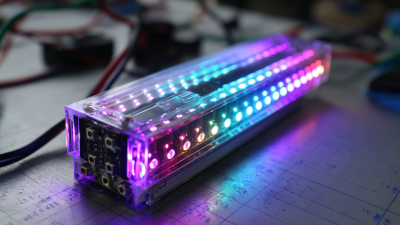
Consider also the RGB LED modules, which add color versatility to lighting designs. These can enhance mood and aesthetics but may require a more complex control system. Users should weigh the benefits against potential challenges in implementation. Each type of LED light module has strengths and weaknesses, so carefully consider your needs for projects, especially for specific applications like Led Light Box.
Top 10 Tips for Choosing the Best LED Light Module
| Tip Number | Tip | Considerations | Benefits |
| 1 | Define your purpose | Residential vs Commercial use | Ensures suitability for specific applications |
| 2 | Check lumen output | Brightness requirements | Determines lighting effectiveness |
| 3 | Evaluate color temperature | Warm vs Cool lighting | Creates desired atmosphere |
| 4 | Consider beam angle | Narrow vs Wide coverage | Affects light distribution |
| 5 | Assess heat dissipation | Need for heat sinks | Increases longevity of the module |
| 6 | Review energy efficiency | Wattage and energy savings | Reduces electricity costs |
| 7 | Look for certifications | Safety and quality standards | Ensures reliability and safety |
| 8 | Check compatibility | Existing fixtures and systems | Facilitates easier installation |
| 9 | Read reviews and ratings | Customer feedback | Informs purchase decisions |
| 10 | Compare warranties | Length and coverage options | Provides assurance on quality |
Key Factors to Consider for LED Light Module Brightness
When selecting an LED light module, brightness is a crucial factor. It determines how well the light will illuminate a space. Start by checking the lumens rating. Higher lumens mean brighter light. Yet, bright isn't always better. Excessive brightness can create glare. Consider the purpose of the light. Are you reading? Or is it for mood lighting?
Another aspect is color temperature. LED light modules come in various color temperatures. Ranging from warm yellow to cool white. A warmer light is cozy. It’s ideal for living spaces. Cool white is clearer and sharper. It suits workspaces like offices or kitchens. Assess how each temperature affects your environment.
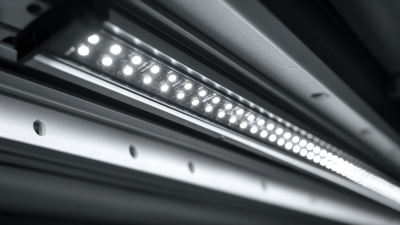
Lastly, consider beam angle. A narrow beam casts light on a specific area. Conversely, a wider beam spreads light broadly. For example, an Led Bar Light could be perfect for accentuating art. While a spotlight may highlight a task area, think carefully about where each light will be used. Each choice has its pros and cons. Adjust settings based on your needs and preferences. Balancing these factors leads to better lighting solutions.
Top 10 Tips for Choosing the Best LED Light Module Brightness
This chart illustrates the top 10 key factors to consider when choosing LED light modules based on their importance level for brightness. Each factor is rated on a scale from 1 to 10, indicating how crucial it is in the selection process.
Evaluating the Efficiency and Energy Consumption of LED Modules
When choosing an LED light module, efficiency and energy consumption are pivotal factors. Efficient LED modules convert a significant amount of electrical energy into light, minimizing wasted energy. Look for specifications like lumens per watt (lm/W), which indicate how effectively the light converts energy into useful output. Higher lm/W values show better efficiency, leading to lower electricity bills over time.
Energy consumption isn't solely about wattage. Consider the module's lifespan too. LED modules last longer than traditional options, reducing the need for frequent replacements. However, some cheaper models might promise longevity but fall short. Investigate user reviews and expert recommendations for insights into real-world performance. Analyze heat output as well; excess heat can signal inefficiency and influence a module's lifespan.
Delving into energy consumption also means understanding the module's application. For instance, ambient lighting requires different specifications than task lighting. The settings influence how much power you consume. It's essential to assess the right lighting for your situation to avoid overuse. Reflect on your specific needs and plan accordingly.
Importance of Color Temperature in LED Lighting Choices
Color temperature is a crucial factor when selecting LED light modules. It influences the ambiance and functionality of a space. Color temperature is measured in Kelvin (K). For example, a cooler, bluish light ranges from 5000 to 6500K. This type of light is often recommended for workspaces, enhancing focus and productivity. In contrast, warmer light, around 2700 to 3000K, creates a cozy atmosphere, and many homeowners prefer such lighting for living spaces.
According to a study by the U.S. Department of Energy, lighting accounts for about 17% of residential energy use. The choice of color temperature can affect energy efficiency and overall satisfaction. For instance, spaces illuminated with the appropriate color temperature can reduce eye strain and promote well-being. However, many people overlook this aspect, often choosing color temperatures based on aesthetics rather than function.
Understanding the psychological impact of lighting is key. Research indicates that colder light can boost alertness, whereas warmer tones can induce relaxation. Striking the right balance between aesthetics and functionality can be challenging. Many individuals may need to assess their specific needs more carefully.
Assessing the Lifespan and Durability of LED Light Modules
When assessing the lifespan of LED light modules, consider their rated hours. Many modules last around 25,000 to 50,000 hours. However, this can vary widely based on usage and environmental factors. For instance, constant on-off cycles can reduce lifespan. Look for models that specify longevity under standard conditions.
Durability is equally crucial. Led Light Strips should be rated for various conditions. If used outdoors, look for water-resistant ratings. Heat can also impact performance. Modules designed for high temperatures often outperform others in harsh environments. Regular assessments can reveal issues before failures occur.
Ensure you check reviews or research on the modules’ durability. Real-world experiences often highlight weaknesses not mentioned in specifications. Pay attention to customer feedback, especially regarding longevity claims. The information obtained can guide you in making an informed choice.
Comparing Costs: Budget vs. Quality in LED Light Modules
When selecting LED light modules, cost often becomes a primary concern. Budget-friendly options may seem attractive at first. However, it is crucial to consider long-term value as well. Cheaper modules can lead to higher energy bills and frequent replacements, negating any initial savings.
Quality LED lights usually come with better warranties and performance ratings. They often use superior materials, ensuring they last longer. A reliable LED module can reduce maintenance costs significantly. Cheap alternatives may fail sooner and can emit less light or poor color rendering.
Balancing budget and quality is challenging. It requires research and thoughtful comparisons. Investing in a quality module may feel expensive upfront, yet it pays off over time. It’s essential to evaluate your specific needs and usage scenarios carefully. Each lighting project is unique. A thoughtful approach can help avoid common pitfalls in the selection process. The choice between cost and quality is not always straightforward.
Reading and Interpreting LED Module Specifications and Ratings
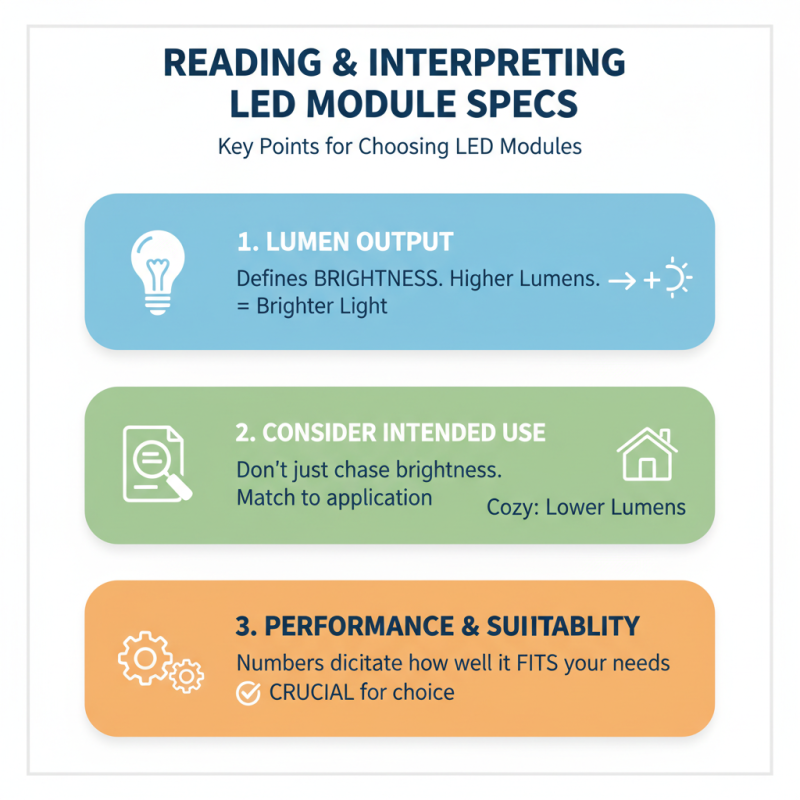
When choosing an LED light module, understanding specifications and ratings is crucial. These numbers define performance and suitability. Start by examining lumen output. A higher lumen count means brighter light. However, don’t focus solely on brightness. Consider the intended use. For cozy atmospheres, a lower lumen output may be suitable.
Pay attention to the color temperature as well. This affects the ambiance. The ratings usually range from warm white to cool daylight. Warm light creates a relaxed vibe. Cool light is energizing and great for workspaces. Also, check the Led Light Driver specifications. An efficient driver enhances performance and energy savings.
Another point to reflect on is the lifespan rating. Most LED modules last between 25,000 to 50,000 hours. While longevity is an advantage, performance may drop over time. It's vital to balance lifespan with quality. Not all high-rated products perform equally. Read reviews and get user feedback before making decisions. Always choose wisely.
FAQS
: Common types include SMD, COB, and RGB. Each type has unique features and benefits.
SMD LEDs are compact and efficient. They provide uniform light and are great for backlighting.
COB LEDs offer high brightness and even light distribution. They may need complex cooling systems.
RGB LEDs add color versatility. They can improve mood, but require more complex control systems.
Look for lumens per watt (lm/W) specifications. Higher values show better energy use and lower bills.
Longer lifespan means less frequent replacements. However, check for real-world performance and reviews.
Color temperature affects ambiance. Warm light feels cozy, while cool light energizes a workspace.
Excess heat may signal inefficiency. It can also affect the lifespan of the LED module.
Reflect on your needs, application type, and read user feedback. Ensure quality while balancing lifespan.
Not all performance matches ratings. Always research and gather opinions before finalizing your choice.
Conclusion
When selecting the best LED light module, it's essential to understand the various types available and how they cater to different lighting needs. Key factors include brightness levels, which significantly impact the effectiveness of the light module in various settings. Furthermore, evaluating the efficiency and energy consumption helps in making cost-effective choices, while color temperature plays a crucial role in creating the desired ambiance.
Durability and lifespan are also vital considerations, ensuring that the chosen LED light module will last and perform well over time. It's important to balance costs with quality, as investing in a reliable module can lead to better long-term savings. Lastly, being able to read and interpret the specifications and ratings of LED modules is crucial for making informed decisions that align with your specific lighting requirements.