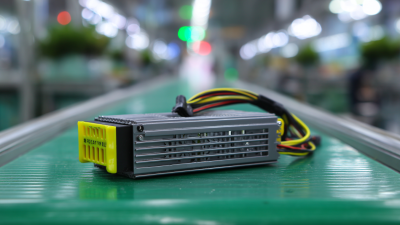
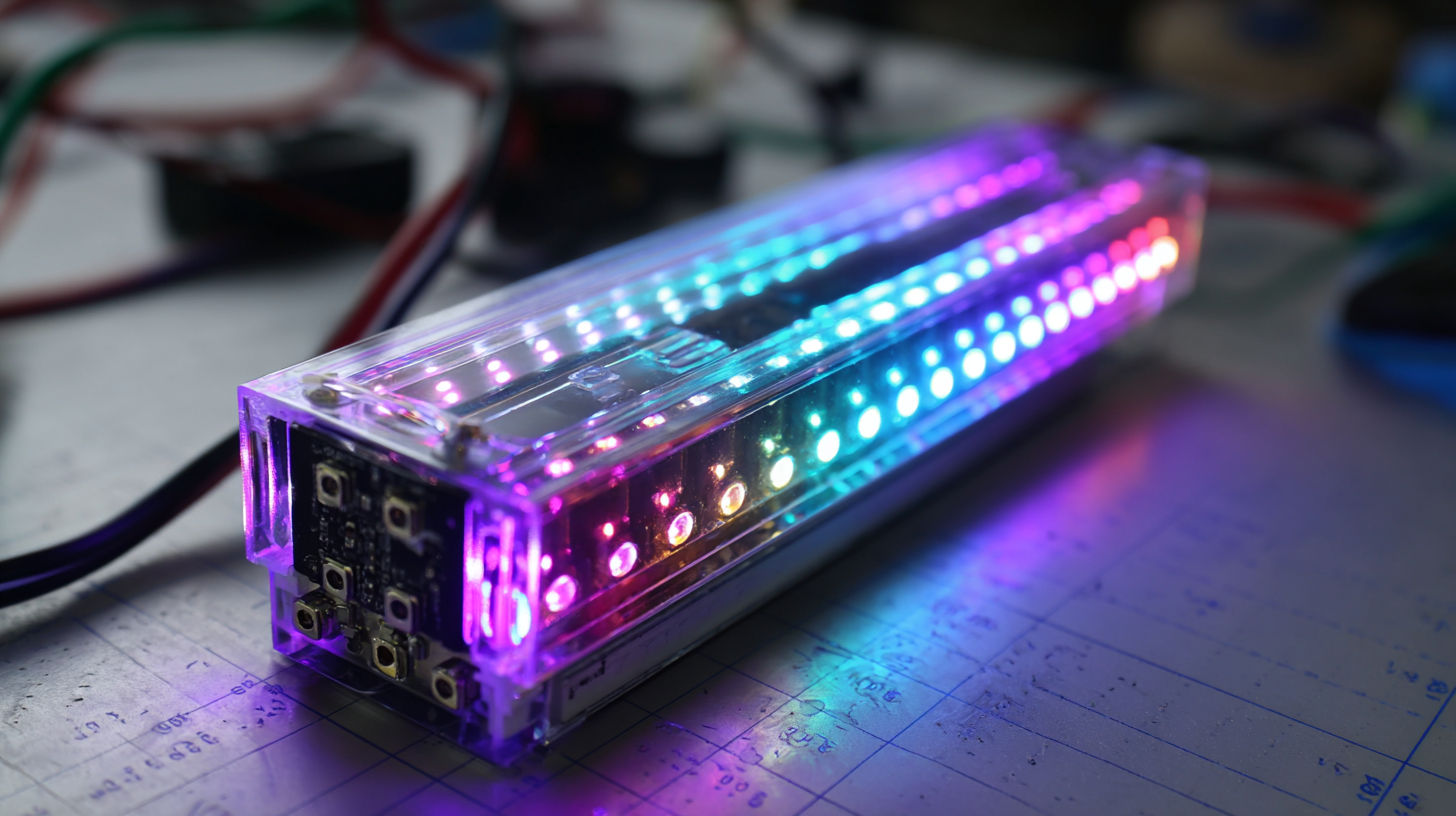
 In today's fast-changing LED world, the performance and efficiency of Injection Led Modules really make a difference in how good your lighting solutions turn out. At Jiangxi MIJI Electronics and Technology Co., Ltd., we’ve been working in the LED Power Supply game for over 19 years, so we completely get how tricky it can be to optimize these modules. We’ve got a wide range of products, fromrainproof to waterproof power supplies, all built with quality and innovation in mind. This blog is all about sharing some top tips for boosting the performance of Injection LED Modules—stuff that can really help manufacturers and designers hit their goals. By sharing industry insights and practical advice, we hope to help you make the most of your LED projects, ensuring they’re reliable and will stand the test of time.
Understanding Current Trends in Injection Led Module Technology
The world of injection LED modules is changing pretty fast right now, thanks to new materials and better manufacturing techniques. One of the coolest trends I’ve noticed is how these systems are starting to include smart control features. They can actually adjust the lighting in real-time, which is pretty awesome. Not only does this make them more energy-efficient, but it also means users can tweak the lighting to fit different spaces or moods—making the whole experience way more personalized and satisfying. Plus, with advanced cooling methods, these modules can run smoothly even in tough conditions, which means they last longer and are more reliable overall.
Another thing that’s catching on big time is the push toward more sustainable production and disposal practices. Manufacturers are really focusing on eco-friendly materials and smarter ways to make these LEDs, which totally makes sense since more and more consumers are looking for green options. There's also this trend toward modular designs—basically, you can upgrade or swap out parts without replacing the whole system. That’s a game-changer because it cuts down on waste and gives people more flexibility to keep up with tech updates or changing standards. Overall, as these trends keep gaining momentum, the injection LED module industry is set to grow and evolve in some pretty exciting ways.
Key Factors Influencing Performance Enhancement in Injection Led Modules
When it comes to Injection LED Modules, their performance really has a big impact on how well your lighting turns out — think brightness, efficiency, and how long they last. One of the most important things to get right is thermal management. If the modules overheat, you’ll notice the lights become dimmer, and their lifespan might get cut short. That’s why incorporating cool solutions like heat sinks or thermal interface materials can make a huge difference in keeping temperatures just right.
Another key point is the quality of the materials used to make these modules. Using top-notch semiconductors and substrates can really boost how much light they produce and how efficiently they use energy. Plus, adding advanced stuff like special coatings or phosphors can improve color accuracy and keep the light looking uniform. When manufacturers pay attention to material quality and come up with innovative designs, they end up making modules that are not just better performers but also more adaptable to different kinds of applications.
And let’s not forget about the importance of adjusting the driving current. Finding that sweet spot in current levels makes sure the LEDs perform at their best — brighter and more efficient. Using smart drivers that can adapt to changing conditions adds an extra layer of stability, meaning the lights will stay consistent regardless of the environment. All in all, taking a multi-pronged approach—covering heat management, material quality, and current adjustment—is key to pushing Injection LED Modules to their full potential and keeping up with today’s demanding lighting needs.
Best Practices for Optimizing Injection Led Module Design and Efficiency
When you're looking to get the most out of Injection LED Modules in terms of design and efficiency, following some best practices can really make a difference. To start with, thermal management is super important. Using advanced materials that have high thermal conductivity can help dissipate heat better, which not only keeps the LEDs working great but also extends their lifespan. Adding heat sinks or implementing active cooling systems can keep temperatures in check, so the LEDs perform at their best—more light, less waste.
Another thing to keep in mind is the optical design. Picking the right lenses and diffusers can really boost light distribution and cut down on losses. Customizing the optics based on what you need helps ensure the emitted light is used efficiently, which is a big plus for overall performance. Plus, taking a modular approach to the design can be a game changer—making it much easier to upgrade or tweak parts without having to redo everything from scratch. This kind of flexibility saves money in the long run and makes these modules more adaptable to different lighting needs, really boosting their efficiency.
Performance Enhancement of Injection LED Module
This chart illustrates the performance metrics of various strategies for optimizing the design and efficiency of Injection LED Modules. Each category represents a key factor influencing the overall performance, measured on a scale from 0 to 100, showcasing the effectiveness of these best practices.
Emerging Tools and Techniques for Elevating Injection Led Module Functionality
Lately, there's been a lot of buzz around new tools and techniques that are really reshaping how injection LED modules work. If you peek into the latest industry reports, you'll see that the global market for these modules is expected to hit around $60.7 billion by 2025, growing at about 12.5% annually. That’s pretty impressive, and it all boils down to folks wanting more energy-efficient lighting options and exciting new uses across sectors like car lighting and consumer gadgets.
One of the coolest strategies right now involves better thermal management—meaning, finding smarter ways to get rid of heat so these LEDs last longer. The International Energy Agency points out that if thermal performance isn’t up to snuff, LED efficiency can drop by as much as 30%. So, using materials like graphene or ceramic substrates can really make a difference—helping to spread heat out more effectively and boost overall performance. Plus, integrating smart tech, like IoT controls, lets manufacturers monitor and tweak energy use on the fly, which saves power and makes everything more sustainable.
On top of that, automation in production—think robotic assembly and precise component placement—is becoming a game-changer. According to McKinsey, jumping on automation can cut down operational costs by 20 to 30%. This means companies can put more focus on innovating and ramping up quality without breaking the bank. As these innovations keep coming, it’s clear that LED companies really need to stay on top of these trends if they wanna keep up with a market that’s constantly changing and demanding more sophisticated, efficient modules.
The Role of Material Selection in Boosting Injection Led Module Performance
You know, when it comes to making injection LED modules better, choosing the right materials really makes a world of difference. In this fast-changing tech world of LEDs, what you pick out of the box — the materials — can totally affect things like efficiency, heat management, and how long the device keeps working well. I read somewhere (thanks, International Energy Agency) that using top-quality materials can boost an LED's brightness efficiency by as much as 30%. That’s pretty huge because it also means cutting down on energy waste. So, it’s really about selecting materials that don’t just do their job optically and thermally but also help electrical performance too.

On top of that, a research report from the Materials Research Society points out that by using advanced thermal interface materials — you know, those that help manage heat better — you can actually lower the working temperature of the LEDs by around 10 to 15 degrees Celsius. That’s great news because cooler operation usually means the LEDs last longer and work more reliably, even when things get stressful or the environment changes. For engineers and manufacturers, it’s pretty clear: focusing on materials with high heat conductivity and low resistance is key. This way, they can really improve performance and tackle issues like overheating, making the whole LED injection module way more efficient and durable.
Strategies for Testing and Validating Injection Led Module Reliability and Effectiveness
When it comes to making sure Injection Led Modules (ILMs) are reliable and work effectively, thorough testing and validation are a must. One of the key things engineers do is comprehensive stress testing — basically pushing these modules through a bunch of different real-world conditions. This might mean exposing them to really hot or cold temperatures, high humidity, or heavy electrical loads. Doing this helps identify any weak spots, so you get a better sense of what the modules can handle and where they might fail. Plus, it’s great for choosing stronger materials and refining the design to make everything run smoother overall.
On top of that, long-term reliability testing is just as crucial. This involves running the ILMs nonstop for a long time and keeping an eye on how they perform. Tracking things like light output, efficiency, and how well they manage heat over time can tell us a lot about how durable they really are. Combining this with accelerated lifespan tests—those intense, quick simulations of aging—gives valuable insights into how long these modules will last. All of this data really helps in planning maintenance and predicting whether a product will stand the test of time. Basically, it’s all about making sure we deliver products you can count on, long after they’ve been installed.
Maximize Brightness and Efficiency: Exploring the Premium 1.8W Samsung 2835 LED Module for High-Intensity Lighting Solutions
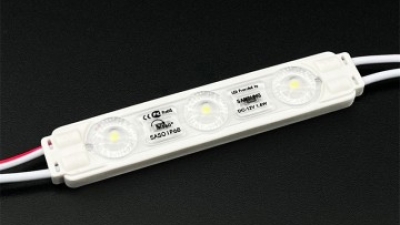
In today's competitive market, maximizing visibility and impact is crucial for businesses, particularly in advertising. The premium 1.8W Samsung 2835 LED module stands out as a remarkable solution for high-intensity lighting needs, primarily due to its exceptional brightness and energy efficiency. Utilizing three high-performance Samsung 2835 SMD LEDs, this module emits a stunning Pure White light at a color temperature of 6000K, effectively replacing traditional neon and other energy-consuming lighting forms. According to industry reports, advanced LED technologies like these can offer up to 80% energy savings, making them not only a bright choice but also an economical one.
Moreover, the Samsung 2835 LED module is designed to operate safely on a 12V DC power supply, ensuring reliability even in demanding environments. With an impressive lifespan of over 50,000 hours and minimal maintenance requirements, this lighting solution significantly reduces long-term operational costs. The versatility of this module allows for various applications, from illuminating channel letters to enhancing backlighting for advertisements and decorative DIY projects. Additionally, its robust weather protection, typically rated at IP65, enables it to perform flawlessly in a range of conditions, further solidifying its place as a trusted choice for commercial and retail uses.
With pre-applied 3M adhesive tape, installation is effortless, allowing businesses to quickly implement these lighting solutions without disruption. As companies continue to seek effective ways to capture customer attention, the Samsung 2835 LED module exemplifies a forward-thinking approach to high-intensity lighting, enhancing both aesthetics and functionality.
FAQS
: Thermal management is a key factor, as efficient heat dissipation is crucial to prevent reduced luminosity and shortened lifespans.
Excessive heat can lead to reduced luminosity and significantly shorten the operating lifespan of the modules.
High-quality semiconductors and substrates are essential as they can enhance light output and energy efficiency.
The integration of advanced materials, such as phosphors or specialized coatings, enhances color rendering and uniformity of light.
Optimizing the driving current ensures that LEDs operate within their ideal range, maximizing both brightness and efficiency.
Utilizing smart drivers that adjust to varying environmental conditions enhances performance by providing stable illumination.
High-quality materials can improve the luminous efficacy of LEDs by up to 30%, significantly reducing energy consumption.
Incorporating TIMs can reduce the operating temperature of LED modules by 10-15 degrees Celsius, promoting performance reliability and lifespan.
Engineers should prioritize material innovation focusing on high thermal conductivity and low thermal resistance to optimize performance.
Proper material selection enhances thermal management and efficiency, leading to improved longevity and sustained output under varying conditions.
Conclusion
In the fast-changing world of LED power supplies, the performance of Injection LED Modules is becoming more and more important. If you've been following the latest trends in Injection LED Module tech, you’ll notice that certain key factors really make a difference when it comes to boosting performance. To get the most out of these modules, it’s best to use advanced engineering techniques and new tools that help improve their functionality. Plus, picking the right materials is a big deal — it can seriously improve how well these modules work.
At Jiangxi MIJI Electronics and Technology, Ltd, we truly understand how crucial reliable testing and validation are to make sure our Injection LED Modules are up to snuff. With nearly 20 years of experience in the LED power supply game, we’re always looking for ways to innovate and deliver solutions that don’t just meet industry standards but go beyond. That's our way of showing our commitment to staying at the top in this constantly changing field.