In the world of electrical engineering, the so-called 'Single Output Power Supply' is pretty much one of those essential bits that keeps things running smoothly. Whether it's for industrial machines or your everyday gadgets, having a stable voltage and current source is a must. Experts in the field often point out just how important these systems are—they're especially critical for devices that really need a consistent, steady power flow. Dr. Emily Carter, who's a well-known power electronics engineer, puts it simply: "A Single Output Power Supply is absolutely key for making sure sensitive electronics work reliably and effectively."
Basically, these power supplies take the AC power from the wall outlet and turn it into a clean, regulated DC voltage. This step is super important because it powers a wide range of stuff—everything from big industrial machinery to your personal electronics. They’re carefully designed to keep the voltage steady, so the equipment runs at its best and stays safe from damage. As energy efficiency becomes more important these days, understanding how these power supplies work is a big deal for engineers and manufacturers alike.
And as technology keeps getting more advanced, the need for solid, reliable power systems only grows. The Single Output Power Supply is right there at the front of this progress, making sure that, even as devices get more complex, they’re powered safely and efficiently. Dr. Carter’s insights really highlight not just how these systems work, but how vital they are in today’s tech world.

What is a Single Output Power Supply?
A single output power supply is a device that converts electrical energy from a source into a single, regulated output voltage suitable for powering electronics and electrical devices. Typically utilized in various applications, including consumer electronics, industrial equipment, and telecommunications, these power supplies ensure a stable voltage output, vital for the proper operation of sensitive electronic components. According to a market research report by Fortune Business Insights, the global power supply market is projected to reach USD 32.9 billion by 2027, reflecting the growing demand for reliable and efficient power solutions.
The operation of a single output power supply generally involves steps such as rectification, filtering, and regulation. Initially, the alternating current (AC) input is converted into direct current (DC) through a rectifier. This DC output undergoes filtering to smooth the voltage and reduce ripple. Subsequently, a voltage regulator is employed to maintain output voltage consistently, despite fluctuations in input power or load changes. A report from Technavio indicates that the efficiency of these power supplies is a significant factor, with modern designs achieving efficiencies of up to 90% or higher, which translates to reduced energy waste and enhanced performance over time. In applications where space and thermal management are critical, the compact design and high efficiency of single output power supplies make them an ideal choice.
Key Components of Single Output Power Supplies
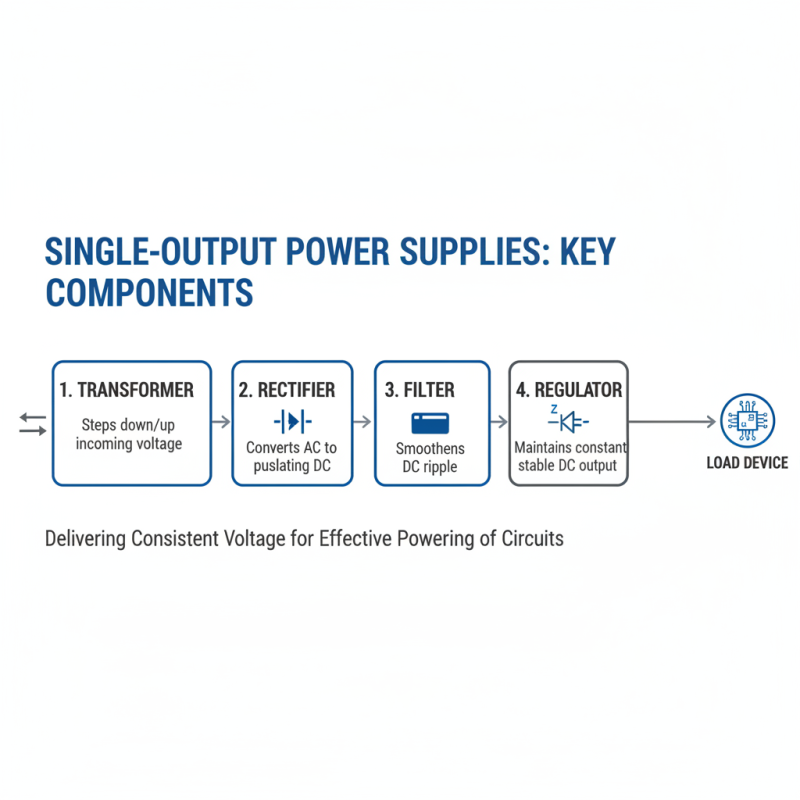
Single output power supplies are essential components in a variety of electronic devices, delivering a consistent voltage to power circuits effectively. The primary components that define their functionality include transformers, rectifiers, filters, and regulators. Transformers serve to step down or step up the incoming voltage, ensuring it meets the necessary levels for subsequent processing. This initial adjustment is crucial for the stability and safety of the entire power supply system.
Following the transformer, rectifiers convert the alternating current (AC) into direct current (DC), which is the standard form of electricity for most electronic circuits. This transformation can be accomplished using diodes, which allow current to flow in one direction only, effectively blocking the negative half of the AC waveform. Additionally, filters are employed to smooth out the ripples in the rectified output, resulting in a stable DC voltage. Capacitors are commonly used for this purpose, helping to maintain consistent power delivery.
Finally, voltage regulators are integrated into single output power supplies to provide precise control over the output voltage. They ensure that fluctuations in load or input voltage do not lead to variations in output, maintaining the reliability of the connected devices. By incorporating these key components, single output power supplies play a vital role in powering a wide range of applications, from consumer electronics to industrial equipment.
Operating Principles and Mechanisms
A single output power supply is designed to convert electrical energy from a source into the required voltage and current levels necessary for specific applications. The operating principles involve several steps, beginning with the transformation of alternating current (AC) from the grid into direct current (DC) through rectification. This process eliminates negative voltage cycles, which is essential for maintaining a stable output suitable for various electronic devices.
The transformed DC voltage is then smoothed using capacitors to minimize fluctuations. Following this, the power supply employs voltage regulation techniques, which may include linear or switching regulation. In linear regulation, the output voltage is achieved by dissipating excess power, while switching regulation uses high-frequency transistors to efficiently manage energy transfer. This mechanism allows for compact designs and improved efficiency, vital for modern electronic systems. Ultimately, the intricacies of these mechanisms ensure that the single output power supply can deliver a consistent and reliable power source tailored to the needs of diverse applications.
What is a Single Output Power Supply and How Does It Work - Operating Principles and Mechanisms
| Parameter | Value | Description |
| Input Voltage Range | 100-240V AC | The range of input voltage that the power supply can accept. |
| Output Voltage | 12V DC | The fixed voltage that the power supply delivers to the load. |
| Output Current | 5A Max | The maximum current that the power supply can provide. |
| Efficiency | >85% | The ratio of output power to input power that indicates efficiency. |
| Ripple Voltage | | The AC voltage component superimposed on the DC output. |
| Protection Features | Short circuit, Overload, Overvoltage | Safety features to prevent damage from abnormal conditions. |
| Operating Temperature | -20°C to +60°C | The ambient temperature range in which the power supply operates safely. |
Efficiency Ratings and Their Importance in Power Supplies
Efficiency ratings are crucial for understanding the performance of single output power supplies. These ratings quantify how effectively a power supply converts input power from the source into usable output power for electrical devices. A higher efficiency rating indicates less energy waste, which not only reduces electricity costs but also minimizes heat generation, leading to better reliability and longevity of the power supply.
When evaluating a power supply, it’s important to consider the efficiency under various load conditions. Many power supplies are tested at full load, but efficiency can vary significantly under different operational scenarios. Understanding these ratings helps consumers choose power supplies that meet their needs while also being environmentally friendly, as higher efficiency reduces overall energy consumption. In a world increasingly focused on sustainability, selecting power supplies with superior efficiency ratings is a step towards greener technology solutions.
Applications of Single Output Power Supplies in Industry
Single output power supplies are crucial in various industrial applications due to their ability to provide consistent voltage and current for different devices and equipment. These power supplies convert alternating current (AC) from the mains into a stable direct current (DC), which is essential for powering components like sensors, actuators, and control systems. Their design is typically focused on efficiency and reliability, making them a preferred choice in manufacturing settings, telecommunications, and automation processes.
Tips: When choosing a single output power supply for your project, consider the voltage and current requirement carefully to ensure compatibility with your devices. It's also beneficial to look for power supplies with built-in protections against overload and short circuits to enhance the longevity of your equipment.
In industries such as automotive, aerospace, and robotics, single output power supplies are deployed to run critical systems like navigation controls, electronic diagnostics, and robotic arms. These applications demand precision and stability, which are effectively met by single output models that can adjust to varying load conditions while maintaining output quality. Their importance is evident in environments where operational efficiency and reliability are paramount, contributing significantly to streamlined processes and enhanced productivity.
Tips: Regular maintenance and monitoring of your Power Supply Unit can prevent unexpected failures and ensure consistent performance, ultimately safeguarding your investment in industrial applications.
Comparative Analysis: Single vs. Multi-Output Power Supplies
When comparing single output power supplies to multi-output power supplies, it is essential to consider their design and functionality. A single output power supply provides one specific voltage level, which can be perfectly suited for simple applications. These units are generally more compact and easier to design with, making them an ideal choice for projects that require only one voltage and allow for a straightforward setup.
On the other hand, multi-output power supplies deliver multiple voltage levels from a single unit, catering to more complex systems that may need various voltages for different components. This type of power supply is beneficial in applications where space is limited, as it can reduce the need for multiple devices. However, their complexity can introduce challenges in terms of load regulation and noise management.
Tips: When selecting a power supply, assess your project requirements carefully. If you only need one voltage, a single output might save you time and cost. Conversely, for projects with multiple voltage needs, a multi-output supply could simplify your design and minimize component count, but ensure it aligns with your voltage and current specifications. Always prioritize thermal management and consider the operating environment to ensure optimal performance.
Regulatory Standards and Safety Considerations in Power Supply Design
When designing a single output power supply, adherence to regulatory standards and safety considerations is paramount. These standards are established by various organizations such as the International Electrotechnical Commission (IEC) and Underwriters Laboratories (UL), which set benchmarks for electrical safety and electromagnetic compatibility. For instance, the IEC 60950 standard addresses the safety of information technology equipment, emphasizing the importance of protecting users from electrical hazards. A recent market analysis by Research and Markets emphasizes that strict compliance with these regulations not only prevents legal complications but also enhances the overall reliability and efficiency of power supplies in critical applications.
Incorporating safety measures during the design phase includes implementing overcurrent protection, short circuit protection, and thermal management strategies. According to the IEEE Standards Association, devices that do not meet the required safety specifications can increase the risk of fire or electrical shock, leading to significant financial losses and potential harm to users. Moreover, the shift towards more stringent energy efficiency regulations, such as Energy Star, is driving manufacturers to innovate their designs, reducing energy consumption while maintaining high performance. Thus, understanding and integrating these regulatory requirements is crucial for engineers and designers to create safe, compliant, and efficient power supply solutions in today's competitive market.
Single Output Power Supply Efficiency Comparison
This bar chart compares the efficiency of different single output power supplies. The data demonstrates the percentage of efficiency achieved by each power supply unit, which is critical for assessing power loss and overall performance in various applications.
Exploring the Efficiency and Applications of 12V/24V LED Power Supplies: An Industry Analysis of 300W Waterproof Solutions
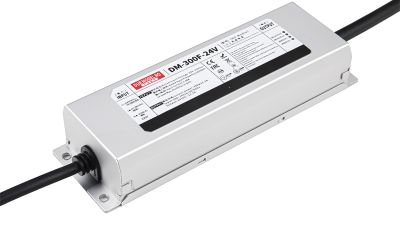
When it comes to powering high-performance LED lighting systems, the choice of a reliable power supply is paramount. Our 12V 25A 300W Waterproof LED Power Supply stands out as an innovative solution tailored for both indoor and outdoor applications. With an impressive IP67 waterproof rating, this power supply effectively protects against dust and moisture, making it an ideal option for diverse settings, from outdoor signage to architectural illumination.
Designed with durability and performance in mind, this waterproof power supply is particularly suitable for various 12V DC LED fixtures, including LED strip lights and landscape lighting. Its robust construction ensures consistent and reliable power delivery, meeting the demands of any professional project requiring a dependable 300W power solution. Whether you are implementing an outdoor lighting design or enhancing an indoor installation, this power supply will provide the necessary efficiency and robustness to thrive in any application.
FAQS
: The primary function of a single output power supply is to convert electrical energy from a source into the specific voltage and current levels required for various applications, ensuring a stable output suitable for electronic devices.
A single output power supply converts alternating current (AC) to direct current (DC) through a process called rectification, which eliminates negative voltage cycles to create a stable output.
Voltage regulation in power supplies may involve linear regulation, which dissipates excess power to achieve the desired output voltage, or switching regulation, which uses high-frequency transistors to efficiently manage energy transfer.
They are preferred in industrial applications due to their ability to provide consistent voltage and current for various devices, making them reliable for powering components like sensors and actuators in manufacturing, telecommunications, and automation processes.
When choosing a single output power supply, carefully consider the voltage and current requirements for compatibility with devices, and look for built-in protections against overload and short circuits to enhance equipment longevity.
Single output power supplies are generally more compact and simpler to design, making them ideal for straightforward applications that require only one voltage level, while multi-output power supplies cater to complex systems needing multiple voltages.
Regular maintenance and monitoring of the power supply unit can prevent unexpected failures and ensure consistent performance, thereby safeguarding the investment in industrial applications.
Single output power supplies are commonly used in industries such as automotive, aerospace, and robotics, where they power critical systems like navigation controls, electronic diagnostics, and robotic arms.
Single output power supplies can adjust to varying load conditions while maintaining output quality, which is essential for precision and stability in various applications.
Conclusion
A Single Output Power Supply is a device designed to provide a single voltage output, which is essential for powering electrical components and systems. The key components of these power supplies include transformers, rectifiers, and filters, all of which work together to convert and stabilize electrical energy. The operating principle typically involves transforming AC voltage into a usable DC output while ensuring high efficiency—a critical factor when considering energy consumption and thermal management.
Efficiency ratings play a vital role in assessing the performance of Single Output Power Supplies, as they indicate how effectively the device uses input energy. These power supplies find a wide array of applications in various industries, including telecommunications, automotive, and consumer electronics. When comparing Single Output Power Supplies with their multi-output counterparts, it's important to recognize their advantages in simplicity and reliability, as well as their relevance in adhering to regulatory standards and safety considerations in power supply design.