In today’s competitive world of manufacturing, picking the right Industrial Power Supply is more important than ever if you want things to run smoothly and efficiently. I mean, as companies are racing to boost productivity and cut down on costs, having the right power setup can really make a difference. There are tons of options out there, so it’s not always easy to decide what’s best. You’ve gotta look at stuff like energy efficiency, reliability, and whether it plays nice with your existing systems.
Getting a good grip on the main factors that go into an effective Industrial Power Supply can save you from costly downtime and help keep things ticking along nicely. In this article, I’ll walk you through the “Top 5” things to think about when choosing a power supply. It’s not just about saving on energy bills—when you pick wisely, you also boost the durability of your machinery. When you match the specific needs of your manufacturing setup with the right power options, you end up with a more solid and sustainable production process. Plus, it just feels good knowing you’re making smarter choices for the long haul!
Understanding Different Types of Industrial Power Supplies and Their Applications
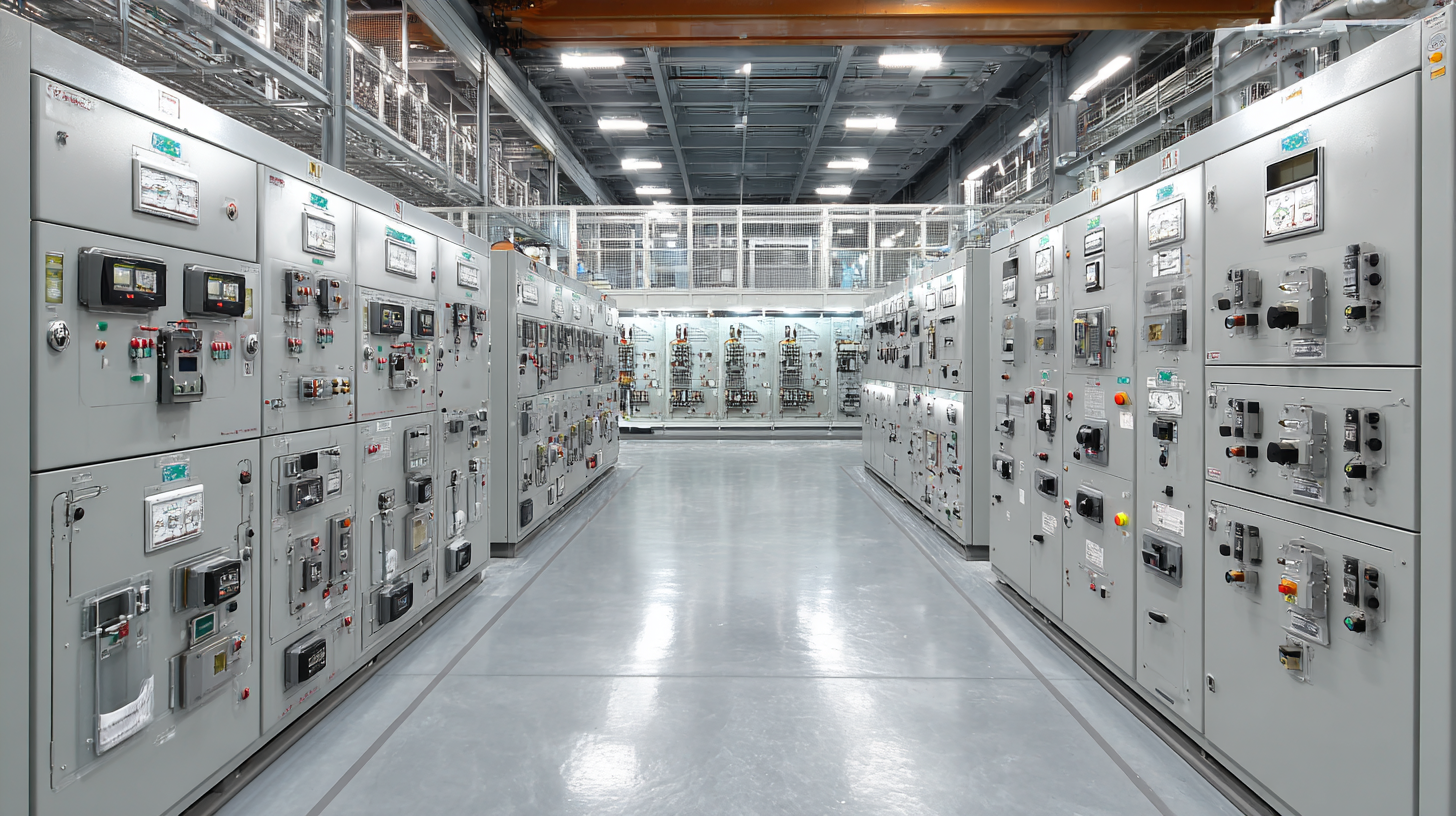
When selecting the right industrial power supply, it's crucial to understand the different types available and their specific applications. The main categories include AC/DC power supplies, which are commonly used in both industrial and medical fields. These power supplies must adhere to stringent safety certifications due to the sensitive nature of the equipment they power. Features such as power density and ruggedness are essential considerations, especially in environments where reliability is paramount.
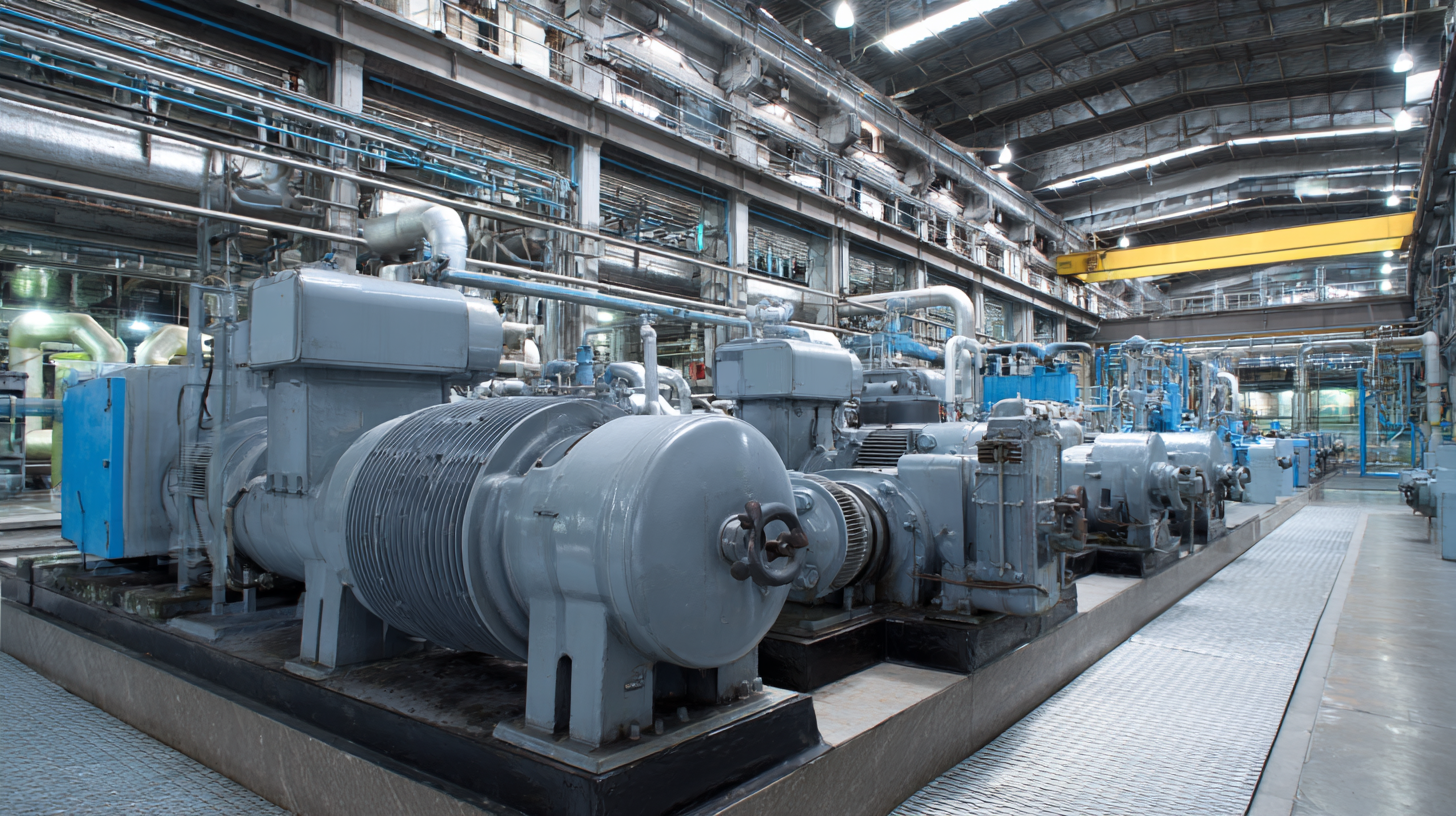
In addition to AC/DC power supplies, there are also high-voltage power supplies, programmable power supplies, and uninterruptible power supplies (UPS). High-voltage supplies are crucial for specialized manufacturing processes, while programmable supplies offer flexibility for testing and research applications. UPS systems ensure that critical operations remain uninterrupted during power outages, highlighting the importance of choosing a power supply that aligns with specific operational requirements to achieve optimal efficiency and performance in manufacturing settings.
Key Factors to Consider for Optimal Efficiency in Manufacturing Power Supply Selection
When selecting an industrial power supply for manufacturing, several key factors must be considered to ensure optimal efficiency. First, the power supply's voltage and current ratings should match the specific requirements of the machinery it will support. Mismatched specifications can lead to inefficient operations, potential damage to equipment, or downtime. Additionally, understanding the power supply's efficiency rating is crucial. Higher efficiency translates to less energy waste, which can significantly reduce operational costs over time.
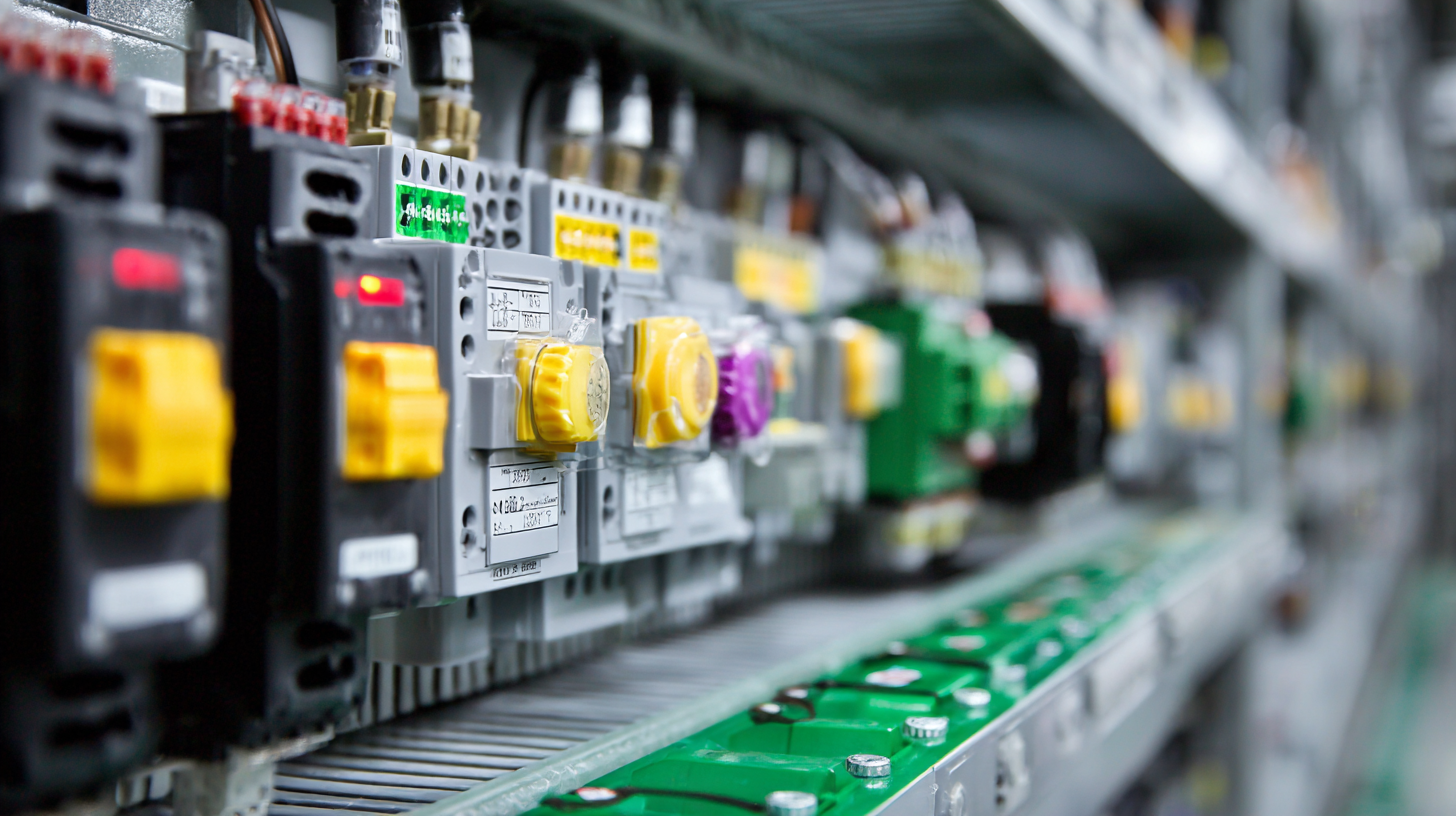
Another important aspect is the reliability of the power supply. Manufacturers should evaluate the brand’s reputation, warranty, and service support. A reliable power supply minimizes the risk of failures and disruptions in production. Furthermore, it is essential to consider the power supply's ability to handle environmental factors such as temperature, humidity, and dust. A robust power supply designed for harsh industrial conditions will ensure uninterrupted performance and longevity, ultimately contributing to the overall efficiency of the manufacturing process.
Evaluating Energy Efficiency Ratings and Their Impact on Performance
When selecting an industrial power supply, evaluating energy efficiency ratings is crucial for enhancing performance in manufacturing settings. Energy efficiency ratings, such as those outlined by the U.S. Department of Energy (DOE) and the International Electrotechnical Commission (IEC), provide key insights into the operational effectiveness of power supplies. For instance, a study by the DOE revealed that improving power supply efficiency by just 1% can lead to significant cost savings, potentially reducing energy expenses by up to 3% annually for large manufacturing operations.
Incorporating power supplies that meet higher efficiency standards not only lowers operational costs but also contributes to a more sustainable manufacturing process. According to the Global Energy Assessment report, manufacturers that prioritize energy-efficient equipment can minimize their environmental footprint, with estimates suggesting a reduction of greenhouse gas emissions by over 1.5 billion metric tons globally. Furthermore, efficient power supplies often come equipped with advanced features such as real-time monitoring and adaptive load adjustments, enhancing their performance and reliability throughout the production cycle. Thus, manufacturers stand to gain substantial long-term benefits by investing in industrial power supplies that meet stringent energy efficiency ratings.
Energy Efficiency Ratings and Their Impact on Performance
How to Match Power Supply Specifications with Equipment Requirements
Selecting the right industrial power supply involves a clear understanding of your equipment requirements. It is essential to begin by determining the voltage and current specifications of the machinery in your manufacturing process. Different machines may have unique power needs based on their size, function, and operational load. For instance, while certain equipment may require a high voltage for heavy-duty operations, others might depend on lower power for sensitive controls. Accurately matching these specifications ensures that the equipment operates effectively without the risk of underperformance or damage.
Another critical factor is the frequency of the power supply, which plays a vital role in ensuring compatibility with the equipment. Many industrial settings rely on alternating current (AC) or direct current (DC) systems, and the choice depends on the design of your devices. It’s also important to consider the efficiency ratings of power supplies. Higher efficiency ratings not only reduce energy costs but also minimize heat generation, which prolongs the lifespan of the equipment. By carefully matching power supply specifications to equipment requirements, manufacturers can achieve optimal efficiency and reliability within their operations.
The Importance of Reliability and Durability in Industrial Power Supply Systems
When selecting an industrial power supply system, reliability and durability are critical factors that can significantly enhance operational efficiency and performance in manufacturing. An industrial power supply must be designed to withstand extreme conditions, often found in manufacturing environments, where equipment experiences heavy loads, temperature fluctuations, and potential power surges. Reliability not only minimizes downtime but also ensures that production processes run smoothly without interruption, which is vital for maintaining productivity and meeting production targets.
Furthermore, the evolving landscape of power supply requirements is highlighted by emerging technologies and demands, such as the growth of artificial intelligence and energy storage systems. The increasing reliance on power-intensive applications necessitates robust power supply solutions that are both dependable and long-lasting. As industries shift towards sustainable practices, the choice of power supply will impact not only operational efficiency but also the overall carbon footprint, making it essential for manufacturers to prioritize power systems that embody reliability and durability.
Emerging Technologies and Innovations in Industrial Power Supply Solutions
Emerging technologies and innovations in industrial power supply solutions are pivotal for optimizing efficiency and performance in manufacturing. As industries evolve, the demand for reliable and efficient power supplies has surged, pushing manufacturers to adopt advanced technologies that enhance operational capabilities. Key innovations include smart power management systems, which allow for real-time monitoring and control of energy consumption, ultimately leading to significant cost savings and improved production processes.
At Jiangxi MIJI Electronics and Technology Co., Ltd, we have been at the forefront of the Led Power Supply industry since 2005, specializing in developing high-quality power supply solutions tailored to the needs of modern manufacturing. Our extensive product range includes rainproof and waterproof LED power supplies, as well as standard switching power supplies, all designed to meet rigorous efficiency standards. By integrating cutting-edge technology into our products, MIJI ensures that manufacturers can harness the full potential of their equipment while maintaining sustainability and reliability in their energy systems.
How to Select the Right Industrial Power Supply for Optimal Efficiency and Performance in Manufacturing
| Power Supply Type | Voltage Output (V) | Power Rating (kW) | Efficiency (%) | Key Innovations |
| AC-DC Power Supply | 48 | 10 | 95 | Compact Design, Low Standby Loss |
| DC-DC Converter | 12 | 5 | 90 | Modular Architecture, High Reliability |
| Custom Industrial Power Supply | 24 | 15 | 92 | Tailored Solutions, Advanced Thermal Management |
| Switching Power Supply | 36 | 20 | 93 | Lightweight, High Performance |
Essential Guide to Choosing the Right 12V 16.7A 200W IP67 Outdoor Waterproof Power Supply for Your Needs
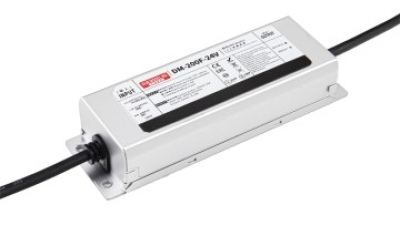
When it comes to selecting a power supply for your LED lighting systems, the 12V 16.7A 200W Waterproof LED Driver stands out as an excellent choice. Designed to deliver a steady 12V DC output at 16.7A, this driver ensures that your LED systems receive consistent and reliable power, which is crucial for achieving optimal performance. Its impressive IP67 rating means it is waterproof and dustproof, making it fully capable of withstanding harsh outdoor conditions, protecting your investment from water damage and contamination.
The construction of this driver emphasizes both quality and practicality. Housed in a slim, lightweight aluminum casing, it is well-suited for installations with limited space while maintaining durability. Additionally, the driver is engineered with advanced safety features, including protections against overvoltage, overload, short circuits, and overheating. These safety mechanisms not only enhance the longevity of the product but also ensure the stability of your LED systems during operation. With an AC input range of 200-240V, this power supply provides versatility, making it suitable for various electrical systems and high-demand projects.
Incorporating the 12V 16.7A 200W Waterproof LED Driver into your lighting design will give you peace of mind knowing that you have a dependable source of power that delivers both quality and durability. Whether you are working on an outdoor display or implementing LED solutions in commercially demanding environments, this driver is designed to meet your needs with efficiency and reliability.
FAQS
: Key factors include matching voltage and current ratings with machinery requirements, evaluating the power supply's efficiency rating, ensuring reliability, and considering its ability to handle environmental conditions.
Mismatched specifications can result in inefficient operations, potential damage to equipment, and increased downtime.
Higher efficiency reduces energy waste, which can significantly lower operational costs over time.
Improving power supply efficiency by just 1% can reduce energy expenses by up to 3% annually, leading to substantial cost savings.
A reliable power supply minimizes the risk of failures and disruptions, which is crucial for maintaining production efficiency.
A power supply should withstand temperature, humidity, and dust to ensure uninterrupted performance and longevity in harsh industrial conditions.
Prioritizing energy-efficient equipment can reduce the environmental footprint, potentially decreasing greenhouse gas emissions significantly.
Efficient power supplies often come with advanced features like real-time monitoring and adaptive load adjustments, enhancing overall performance and reliability.
A reputable brand usually indicates better warranty and service support, which is vital for minimizing risks of failures and ensuring production continuity.
A robust power supply ensures uninterrupted performance in challenging conditions, thereby contributing to overall efficiency in the manufacturing process.
Conclusion
Selecting the right Industrial Power Supply is crucial for optimizing efficiency and performance in manufacturing settings. Understanding the various types of industrial power supplies and their specific applications helps manufacturers choose the most suitable option. Key factors such as energy efficiency ratings, equipment compatibility, and the importance of reliability and durability must be evaluated to ensure that the selected power supply meets operational demands effectively.
In addition, emerging technologies and innovations in industrial power supply solutions can offer enhanced capabilities, contributing to improved overall performance. Companies like Jiangxi MIJI Electronics and Technology Co., Ltd, with their extensive experience in the LED power supply industry, provide a diverse range of products, including rainproof and waterproof options, ensuring that manufacturers can find the right solution tailored to their specific needs.