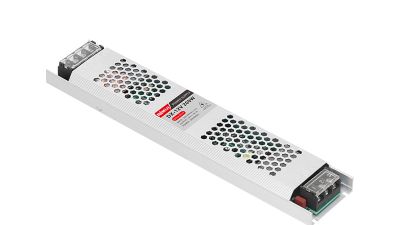
In this fast-changing world of lighting tech, the Led Switch Power Supplyreally stands out as a pretty important piece of the puzzle. I’ve talked to some folks in the industry, and Dr. Emily Chen from BrightTech Innovations mentioned that "how efficient and reliable a Led Switch Power Supply is can make or break your lighting setup." Honestly, her point hits home—understanding how these little gadgets actually work is pretty key.
Basically, a LED switch power supply takes your regular electrical power and transforms it into something your LEDs can actually use. This whole process isn’t just technical mumbo jumbo—it’s what helps cut down on energy waste and makes everything more eco-friendly. Most people probably don’t realize that the design tweaks and quality details can really affect how well it performs.
That said, not all power supplies are created equal. There’s definitely a bit of a quality gap out there. Some units tend to overheat, or worse, just break down after a bit of use. That’s why it’s super important to do your homework and stick with trusted brands. Picking the right one can mean your lights last longer and run better, which is a pretty sweet deal. Knowledge really is power here, folks—it saves you headaches later on.
What is a LED Switch Power Supply?
A LED switch power supply is an essential component in modern lighting systems. Unlike traditional power supplies, it is designed specifically for LED applications. The main function is to convert alternating current (AC) to a direct current (DC) suitable for LEDs. This process ensures the LEDs receive a stable voltage, crucial for their performance and longevity.
LED switch power supplies are compact and efficient. They use switching technology to regulate voltage, reducing energy loss. This makes them ideal for applications like architectural lighting, signs, and displays. Many people may overlook the importance of choosing the right power supply. A mismatch can lead to flickering lights or even damage the LEDs. Therefore, when selecting a power supply, consider the voltage and current specifications of your LED lights.
While the technology is advanced, not all LED power supplies are created equal. Some may struggle under varying load conditions, leading to unreliable performance. It’s essential to evaluate the product’s capabilities and reviews. A well-chosen Led Power Supply can significantly enhance lighting quality, whereas a poor choice might result in frequent replacements and higher costs in the long run.
What is Led Switch Power Supply and How Does It Work?
| Parameter | Description |
| Input Voltage | 85-265V AC |
| Output Voltage | 12V DC, 24V DC, etc. |
| Efficiency | 80% - 95% |
| Operating Temperature | -20°C to 60°C |
| Protection Features | Over-voltage, Over-current, Short-circuit |
| Applications | LED lighting, Robotics, Power tools |
| Form Factor | Compact, typically enclosed in a plastic case |
Key Components of a LED Switch Power Supply
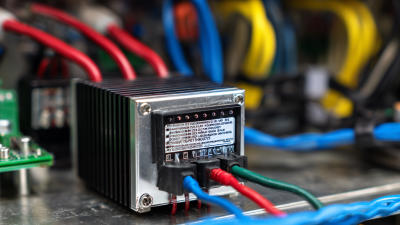
LED switch power supplies are essential for converting AC power to a stable DC output for LED lighting applications. Key components of these power supplies include the input stage, transformer, rectifier, and control circuit.
The input stage typically consists of a fuse and an EMI filter. This component is crucial in preventing electromechanical interference from impinging on the power supply. A report by the International Electrotechnical Commission indicates that a well-designed EMI filter can reduce interference by up to 30%.
The transformer is the heart of the power supply. It steps down voltage efficiently while providing isolation. A quality transformer helps ensure the durability of the system. Unfortunately, not all transformers are created equal. Some are sensitive to heat, which diminishes their performance. Proper thermal management is essential to mitigate this issue.
The rectifier converts the AC voltage into DC. Various configurations exist here, with full-bridge rectification being the most common. Precision in this component is critical as it affects ripple voltage, which should ideally be below 5% for optimal LED performance. Lastly, control circuits manage output voltage and current levels, ensuring stability across varying loads. An inefficient design may lead to flickering lights or, worse, component damage. Each component plays a vital role in the overall effectiveness and lifespan of the LED switch power supply, showcasing the intricate balance of engineering behind these devices.
How Does a LED Switch Power Supply Function?
A LED switch power supply converts the AC voltage from your wall outlet into a steady DC voltage suitable for powering LED devices. The process involves several key components, including transformers, rectifiers, and filters. The transformer reduces the high voltage to a lower voltage, which is then rectified to DC. Finally, filters smooth out any ripples, providing a stable output.
When it comes to a 5V led pixel led screen power supply, the need for consistency is crucial. Such devices require a precise voltage to function correctly. If the power supply fails to deliver appropriate voltage, it can lead to flickering or malfunctioning displays. This underscores the importance of quality in your power supply choice. Some users may find that cheaper alternatives fail sooner than expected.
Another consideration is efficiency. LED switch power supplies are designed to minimize energy loss. However, not all power supplies achieve this equally. Users should seek out information and reviews to find reliable options. Don't overlook the possibility that a seemingly minor flaw can cause significant issues. Understanding how these supplies work can improve your lighting or display experience tremendously.
Types of LED Switch Power Supplies Available
LED switch power supplies are crucial in modern lighting applications. They convert the AC mains voltage to a regulated DC output suitable for LEDs. Understanding the types of LED switch power supplies is essential for effective use.
One common type is the constant voltage power supply. These supplies maintain a steady voltage output, which is ideal for standard LED strips. They ensure uniform brightness across the entire length of the strip. Another type is the constant current power supply. This variant provides a fixed current, which helps protect sensitive LED fixtures. It’s particularly useful for high-power LED applications.
Selecting between these types requires careful consideration. Factors like voltage, current rating, and efficiency play significant roles. Some users overlook these details, resulting in flickering or dim lighting. Proper matching of the power supply and the LED load is vital. It can lead to better performance and longevity of the lights. Understanding these differences in LED power supplies allows for more informed decisions in lighting design.
Advantages of Using LED Switch Power Supplies
LED switch power supplies are increasingly recognized for their efficiency and reliability. These power supplies convert AC voltage to low DC voltage, making them ideal for LED applications. One significant advantage is their energy efficiency. Reports indicate that these units can achieve up to 90% efficiency, reducing energy waste and operating costs. This can lead to significant savings over time, especially in commercial lighting solutions.
Another key benefit is their compact design. LED switch power supplies are smaller than traditional power supplies. This allows for more flexible installation options and reduces space requirements. Their lightweight nature makes them easier to handle and install, which can save labor costs. Additionally, these devices generate less heat. A lower heat output increases their lifespan and contributes to overall reliability.
Tips: When selecting an LED switch power supply, consider factors like load capacity and output voltage. Ensure that the power supply meets your specific needs for longevity. Regular checks and maintenance can help avoid potential failures. Moreover, it’s crucial to choose certified products to ensure reliable performance. Being mindful of these details can make a significant difference in the effectiveness of your lighting solutions.
Advantages of LED Switch Power Supplies
This bar chart illustrates the advantages of using LED switch power supplies based on various factors. Each advantage is scored on a scale from 1 to 10, highlighting their importance in applications.
Common Applications of LED Switch Power Supplies
LED switch power supplies have revolutionized how we approach lighting in various settings. One of the most common applications is in residential lighting. Homeowners often choose LED fixtures for their energy efficiency and longevity. Led Lighting Power Supply units manage the electrical current to these fixtures, ensuring consistent brightness. They help minimize flickering and extend the lifespan of the bulbs.
Commercial settings benefit greatly from LED switch power supplies as well. Retail stores utilize them to create inviting atmospheres. Correctly implemented, these supplies enhance product visibility. In factories, they illuminate workspaces, contributing to overall safety. However, there’s a misconception that all power supplies are created equal. Differences in quality can lead to issues like overheating or inefficiency. This underscores the need for reliable sources when selecting LED lighting power supplies.
Moreover, in outdoor applications, street lighting relies heavily on efficient power supplies. They help to reduce energy costs and maintenance needs. Yet, problems can arise with weatherproofing or compatibility. Ensuring proper installation can be a challenge. Users must consider their environment and usage to avoid pitfalls. These complexities highlight the importance of expertise and informed choices in power supply selection.
Troubleshooting Common Issues with LED Switch Power Supplies
When dealing with LED switch power supplies, troubleshooting is often necessary. Many users experience common issues that can disrupt their systems. Let's discuss some prevalent problems and solutions.
One major issue is flickering lights. This often stems from an inadequate power supply to the LED, leading to inconsistent performance. According to industry reports, approximately 30% of users encounter this issue. Checking the compatibility between the LED and the driver is vital. Often, an underpowered supply leads to flickering or dimming effects.
Another frequent problem is overheating. If the power supply becomes too hot, it can affect longevity and performance. Data shows that around 25% of power supply failures are due to thermal issues. Ensuring proper ventilation or selecting a power supply with built-in thermal protection can mitigate this risk. These preventive measures can improve reliability significantly.
Lastly, noise from the power supply can also be a concern. This may arise from components vibrating under load. Isolating or mounting the supply on a solid surface can reduce noise levels. Users should pay attention to this, as excessive noise could signal underlying issues. Understanding these common challenges allows for effective solutions and enhances overall system reliability.
Maximize Your LED and Billboard Performance with Slim Constant Voltage 200W Power Supply Solutions
Maximizing performance in LED and billboard displays has never been more crucial, particularly as the demand for vibrant visual communication continues to rise. The core of this performance is dependent on the quality of power supply used to drive these displays. The Slim Constant Voltage 200W Power Supply stands out as a premier choice for indoor applications, including LED billboards and thin light boxes. Designed to meet the rigorous needs of modern display technology, it offers an impressive efficiency rate of approximately 80%, which not only conserves energy but also ensures that LEDs receive stable and consistent voltage, thus prolonging their lifespan and optimizing their luminosity.
In a survey conducted by the National Institute of Standards and Technology, it was found that using high-efficiency power supplies like the Slim Constant Voltage series can reduce energy consumption in commercial settings by up to 30%. This significant reduction not only benefits the environment but also translates into lower operational costs for businesses. Additionally, the availability of both 12V and 24V versions caters to a wide range of applications, making them suitable for line light decorations and intricate signage solutions.
The reliability of the Slim Constant Voltage Power Supply further enhances its appeal. With a rigorous 100% full-load aging test, it assures users of its durability under demanding conditions. Built-in protections against short circuits and overtemperature ensure that even in critical situations, the performance remains uninterrupted. In a field where consistent and high-quality display output is imperative, this power supply solution not only meets but exceeds industry standards, making it an indispensable asset for businesses striving to maximize their advertising and informational displays.
FAQS
: It converts AC power into steady DC voltage for LED devices.
Key components include the input stage, transformer, rectifier, and control circuit.
Poor heat management can reduce transformer performance and lifespan.
An imprecise rectifier can lead to ripple voltage above 5%, affecting LED performance.
It steps down voltage efficiently and provides electrical isolation.
They may fail quickly, causing flickering or malfunctioning displays.
Filters smooth out ripples, ensuring a stable and consistent output voltage.
Quality affects consistency and performance, impacting overall LED operation.
Researching reviews and performance details can help in making informed choices.
It may lead to flickering lights or even damage to components.
Conclusion
A LED Switch Power Supply is an essential device that converts electrical power efficiently for LED lighting applications. Its key components include transformers, diodes, and capacitors, which work in unison to regulate voltage and current, ensuring that LEDs receive the optimal power for performance. The LED Switch Power Supply operates by switching the input voltage on and off at high speeds, which helps in maintaining a steady output suitable for LEDs.
The advantages of using LED Switch Power Supplies include energy efficiency, compact size, and reliability, making them ideal for various applications such as residential, commercial, and industrial lighting. Common issues can arise, but troubleshooting steps can be implemented to maintain performance. Overall, LED Switch Power Supplies play a crucial role in the efficient management of power for LED systems, resulting in enhanced lighting solutions.