You know, in today's fast-paced world of international trade, it's super important for manufacturers and exporters to get a handle on the certifications required for things like Waterproof LED Power Supplies. I came across this interesting market report recently that projects the global Led Power Supply market will hit a whopping $7.33 billion by 2026! That's a clear sign of just how much demand there is for products that are not only top-notch but also fully certified. Since 2005, JIANGXI MIJI ELECTRONICS AND TECHNOLOGY CO., LTD has really been at the forefront of this industry, offering a whole bunch of options, including rainproof and waterproof power supplies. Now, I get that diving into the whole import and export certification process can feel a bit overwhelming, but really, it’s vital if you want to stay compliant with international standards and open up new markets for your products. So, in this blog, we’ll take a closer look at the key certifications that go hand-in-hand with Waterproof LED Power Supplies and share some tips on how to navigate this tricky terrain. This way, you can make sure your products not only meet what consumers expect but also tick all the regulatory boxes.
Hey there! So, if you're on the hunt for the perfect waterproof LED power supply, you definitely want to pay attention to those international trade certifications. Trust me, these certifications are super important because they guarantee that the products you’re looking at meet some pretty solid safety and performance standards. This isn’t just a box to check off; it really boosts consumer trust and makes your product more appealing in the market.
According to a report I came across from MarketsandMarkets, the global LED power supply market is expected to jump from $3.02 billion in 2020 to around $5.38 billion by 2025. That’s a clear sign that people are really after reliable and certified products these days!
Here’s a tip: always double-check that the LED power supplies you’re considering hold certifications like UL, CE, and RoHS. These not only validate the quality but also make it a whole lot easier when you’re importing stuff from other places. Who doesn’t want to save time and dodge potential headaches, right?
Plus, having the right certifications can do wonders for your business reach. A study from Grand View Research even pointed out that manufacturers with recognized certifications often see a sales boost of around 30%. That’s huge! It really shows how critical those international trade certifications are for gaining a competitive edge in the fast-paced world of LED power supplies.
So, when you’re chatting with your suppliers, make sure they can show you the paperwork for their certifications and that they’re staying compliant with those industry standards. Being proactive about this stuff will help protect your investment and keep your reputation shining in the marketplace!
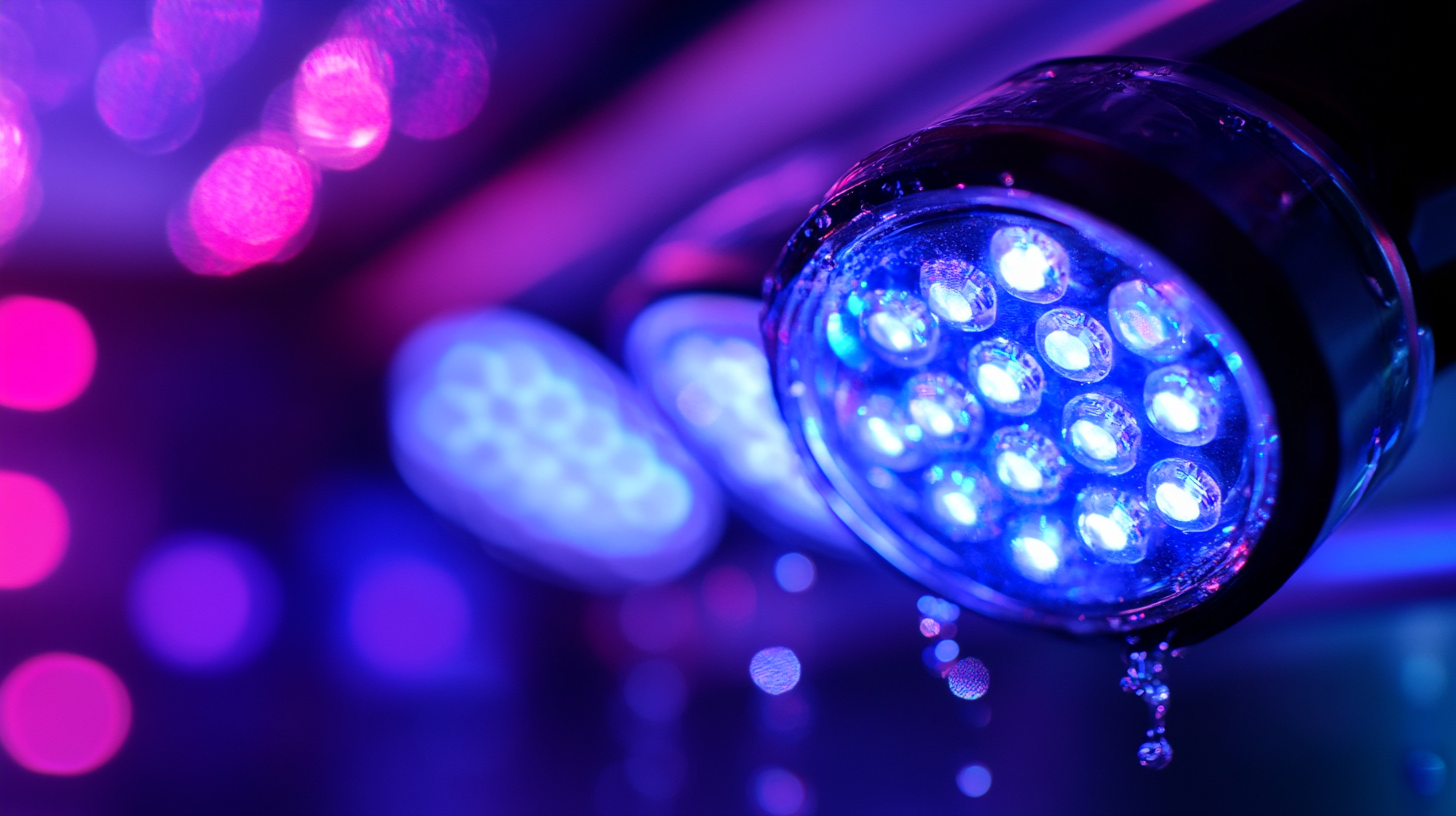
When you’re on the hunt for the best waterproof LED power supplies, it’s super important to get a grip on the key certifications. Things like IP (Ingress Protection) ratings and UL (Underwriters Laboratories) listings can really tell you how reliable and effective a product is. For example, if your power supply sports an IP68 rating, it means it’s totally dust-tight and can handle getting submerged in water for a while—perfect for those outdoor setups! And don’t forget about UL certification; it’s there to ensure the product meets some pretty strict safety standards, which lowers the chances of any electrical mishaps happening.
But these certifications don’t just keep you safe; they also boost your chances in the market and help build trust with consumers. As folks are becoming more eco-conscious and looking for durable products, manufacturers that focus on these certifications are really stepping up as quality leaders. Especially in areas like the agroindustry, where you need a consistent power supply to keep things running smoothly, having certified products makes a huge difference for efficiency and sustainability. As the demand for LED power supplies continues to rise, paying attention to these certifications is more crucial than ever. It’s what sets great products apart in the local and global markets!
So, it looks like the waterproof LED power supply market is really set to take off by 2025! There’s this growing demand for energy-efficient solutions across different areas, you know, like homes, businesses, and even factories. People and companies are becoming a lot more eco-conscious these days, and because of that, there's a real uptick in the preference for waterproof LED tech. It’s all about ensuring reliability, especially in wet outdoors or tricky conditions. And guess what? Manufacturers are stepping up their game too. They’re coming up with tougher and more efficient power supplies that can handle the rough stuff while still performing like champions.
Now, if you’re in the market for a waterproof LED power supply, here’s a quick tip: look for those safety certifications. You want to see ratings like IP67 or higher—they basically prove that the product can put up with dust and even take a little dive in water! Plus, keep an eye on the brands that are really diving into research and development, since that usually means better energy efficiency and longer-lasting products.
Overall, it seems like there’s a chance we might see more smart tech being integrated into this industry. Imagine waterproof LED power supplies connecting to smart home systems! That would be super cool for all the tech-savvy folks who are after convenience and eco-friendliness but still want to feel safe. It’s all about the modern solutions, right?
| Certification | Region | Market Growth Rate (%) | Projected Market Size (Million USD) | Key Application Area |
|---|---|---|---|---|
| UL 8750 | North America | 6.2 | 1200 | Outdoor Lighting |
| CE Compliance | European Union | 5.8 | 900 | Residential Lighting |
| PSE Mark | Japan | 4.5 | 300 | Commercial Lighting |
| SAA Approval | Australia | 4.0 | 250 | Architectural Lighting |
| CCC Certification | China | 7.0 | 1500 | Industrial Lighting |
Let's be honest: diving into the world of international trade certifications can feel like wandering through a maze, especially when you're trying to export waterproof LED power supplies. You really need to wrap your head around key certifications like CE, UL, and RoHS. These aren't just acronyms; they’re crucial for making sure you’re in line with global standards. According to a report from MarketsandMarkets, the global LED power supply market is expected to jump from $3.2 billion in 2022 to a whopping $5.8 billion by 2027. So, it’s super important for manufacturers to get these certifications sorted out if they want a slice of this growing pie.
First things first, kick things off by figuring out what specific regulations you need to meet for your target markets. Take the CE marking, for example—it's a must if you're planning to sell in the European Economic Area, where compliance with health, safety, and environmental rules is non-negotiable. And let’s not forget about UL certification! It really boosts your product's credibility in North America, where safety standards are no joke. A study from Grand View Research even found that certified products can charge up to 20% more just because they have that stamp of approval. Talk about a competitive edge!
After you’ve got a handle on what certifications you need, the next step is doing some serious product testing and getting your paperwork in order. This usually means making sure you're all set with the right safety and environmental standards and keeping detailed records of how you’re making your products. As pointed out in a report from Allied Market Research, companies that streamline their certification processes and stick to regulations can really speed up time-to-market. That’s a game changer when it comes to meeting consumer demand!
You know, in today’s fast-changing world of international trade, it’s super important for both manufacturers and consumers to get a good grip on the regional standards for LED power supply products. Take companies like JIANGXI MIJI Electronics and Technology Co., Ltd., for example. They’ve been rocking the LED power supply scene since 2005, but they really need to pay close attention to these standards. It’s wild how much regional regulations can differ; they can really throw a wrench in things like certification processes, product specs, and even market access. Luckily, MIJI has built a solid reputation for creating dependable waterproof and rainproof power supplies, which gives them a great advantage when it comes to meeting various certification requirements across different markets.
If you dive into a comparative analysis of these regional standards, you’ll find some pretty eye-opening insights into what’s expected from LED power supplies. For instance, some markets are all about energy efficiency, while others are more concerned with durability and how well things hold up against water. By tailoring their products to meet these different needs, MIJI doesn’t just boost the quality and reliability of their power supplies—they also make sure they’re ticking off the boxes for those necessary certifications. This strategic move helps them stay competitive on the global stage, making international trade just a bit easier and building trust with clients who are in search of top-notch, certified LED power supply solutions.
You know, figuring out the maze of rules around international trade can be super tricky for businesses these days, especially for those dabbling in high-tech stuff like waterproof LED power supplies. With the way global markets are shifting, the whole scene with tariffs, customs, and compliance is getting more complicated by the minute. A recent report from the World Economic Forum really drives this home, suggesting that companies should dive into advanced technologies to get a better grip on the regulatory landscape. This is going to be key for making sense of the choppy waters of global trade by 2025.
Just take a look at the new tariff tracking tools that have popped up lately—they really highlight how important it is to keep up with the fast-paced changes in trade policies. And let’s face it, with all the geopolitical tensions and the unpredictable supply chain drama, businesses really need to make compliance a top priority to dodge potential risks. Surprisingly, a study found that 67% of small businesses are really struggling to grasp trade regulations, which just shows how critical it is to have easy access to data and digital tools that can help them get involved globally. By tapping into these tools, companies can not only stay compliant but also jump on new market opportunities even when regulatory challenges crop up.
: Key certifications include IP (Ingress Protection) ratings and UL (Underwriters Laboratories) listings, which ensure the products' reliability and performance in harsh conditions.
An IP68 rating guarantees that the power supply is dust-tight and can resist prolonged immersion in water, making it suitable for outdoor use.
UL certification ensures that a product meets safety standards, reducing the risk of electrical hazards.
By prioritizing certifications, manufacturers demonstrate their commitment to quality assurance, increasing consumer trust and market appeal, especially for sustainable and durable products.
Manufacturers must navigate varying regional regulations that affect certification processes, product specifications, and market access, which can complicate compliance.
Companies are encouraged to invest in advanced technologies and tools for tariff tracking to stay updated on changing trade policies and enhance their understanding of regulatory requirements.
Compliance with regulations is essential for mitigating risks associated with tariffs and customs, facilitating smoother international trade and building client trust.
Some markets prioritize energy efficiency while others focus on durability and waterproof capabilities, influencing manufacturers' product offerings.
A study indicated that 67% of small businesses face significant barriers in understanding trade regulations.
Accessible data and digital tools can facilitate global engagement and help businesses ensure compliance while seizing emerging market opportunities.