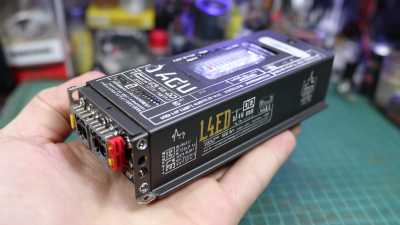
In today's super fast-moving industrial world, having reliable Power Supply solutions is more important than ever—especially as companies look for steady, efficient sources to keep everything running smoothly. Did you know that, according toResearch and Markets, the global market for industrial power supplies is projected to hit around $12.1 billion by 2027, growing at a pretty steady rate of about 5.3%? That’s pretty significant! Now, when it comes to industry players, JIANGXI MIJI ELECTRONICS AND TECHNOLOGY CO., LTD really stands out.
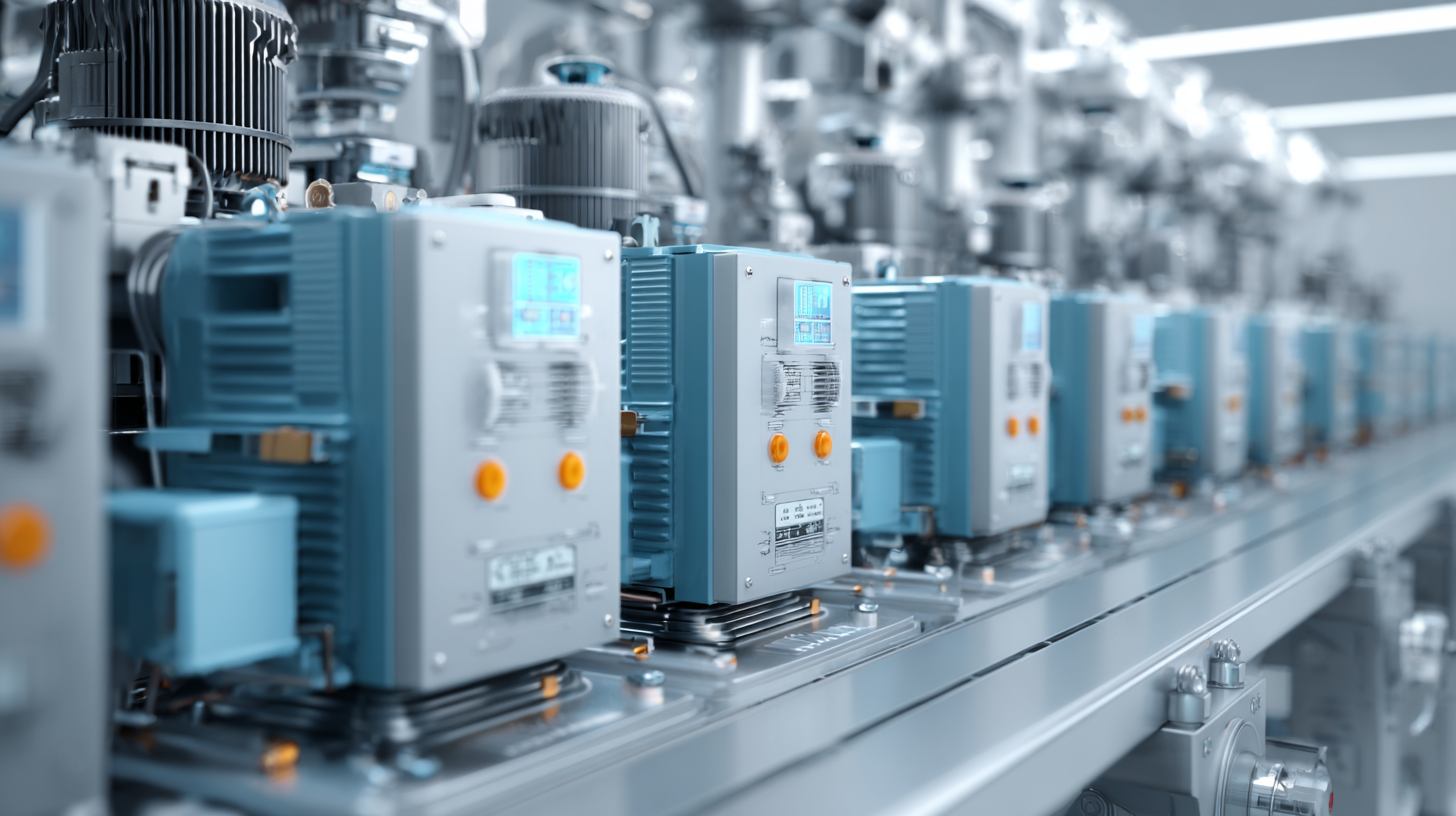
With more than 19 yearsunder their belt in the Led Power Supply game, they truly know what they’re doing. Founded back in2005, MIJI has been consistently pushing out innovative products—think rainproof and waterproof power supplies—that are built tough to handle heavy-duty industrial needs. In this blog, I’ll walk you through the different types of industrial power supplies out there and show you how MIJI’s solutions can help businesses worldwide improve their procurement strategies, making sure they get reliable power when it counts.
Innovative Power Supply Trends Revolutionizing Global Procurement Strategies
The world of global procurement strategies is really going through quite a shift lately, mainly thanks to some exciting new trends in power supply that could boost both efficiency and sustainability. Just look at this report from MarketsandMarkets—it's basically saying that the worldwide power supply market could hit around $42.8 billion by 2025, growing at about 5.8% each year. That’s pretty impressive! A big reason behind this surge? The increasing need for energy-efficient solutions, especially as countries everywhere are pushing harder to cut down on carbon emissions. More and more companies are jumping on the bandwagon, integrating smart power systems that not only help them save energy but also support renewable sources. It’s like they’re trying to be more eco-friendly while also making their procurement processes smarter and more aligned with sustainability goals.
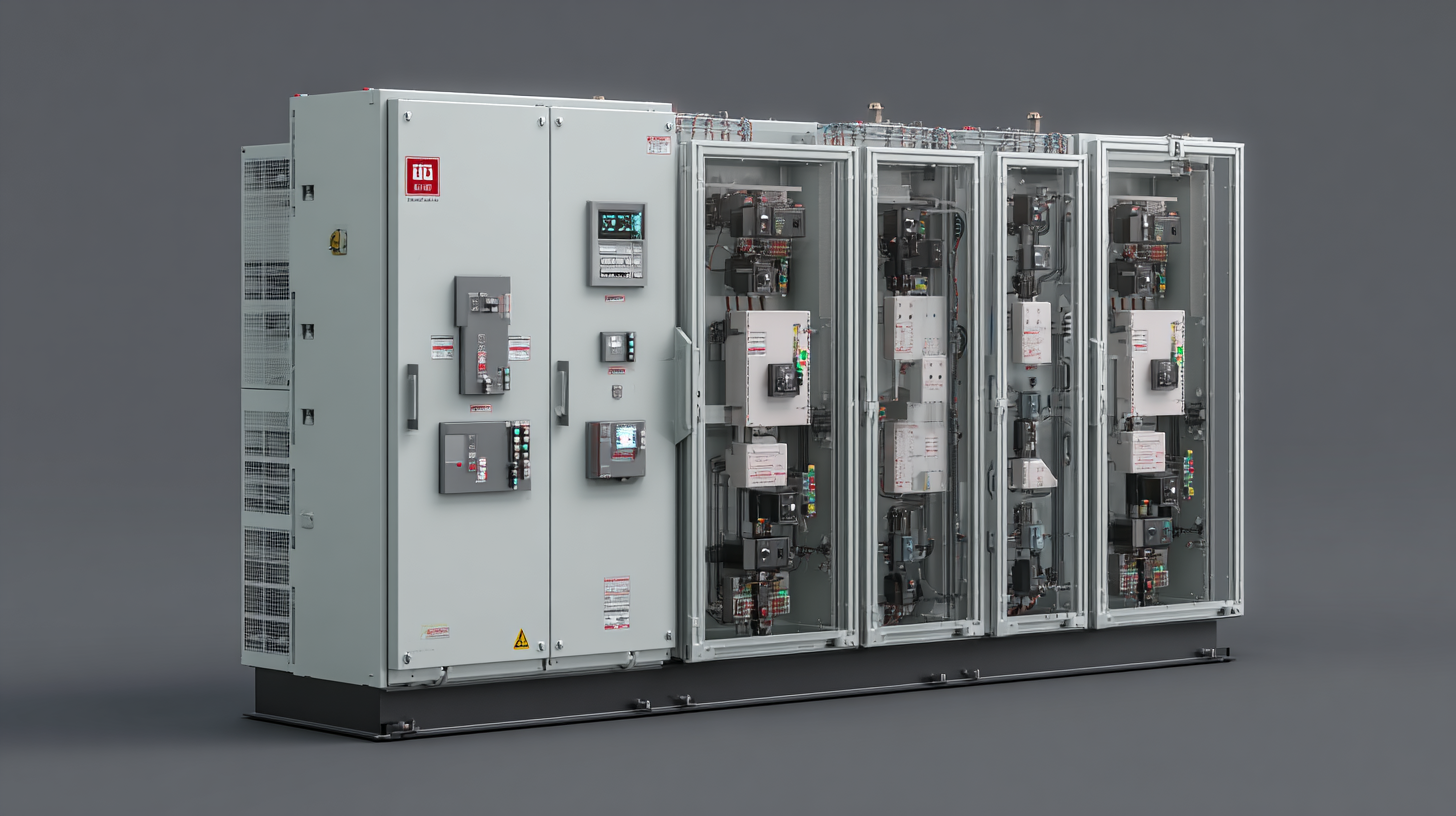
On top of that, the digital revolution is really shaking things up in how businesses handle procurement. With tech like IoT (the internet of things), companies can now get real-time updates on their energy systems—that means they can easily keep an eye on consumption and tweak their strategies on the fly. A Deloitte study even found that about 70% of procurement leaders think digital transformation is going to seriously impact their operations in the next few years. So, these new power supply solutions aren’t just about solving immediate energy needs—they’re also vital for building more resilient, adaptable procurement setups for the future. It’s pretty exciting stuff, honestly.
Key Technologies Driving Efficiency in Industrial Power Solutions Today
These days, in the industrial world, being efficient is more important than ever. It's all about leveraging key tech that’s shifting how we think about power supply solutions. Everyone’s talking about energy efficiency like it’s the 'first fuel' in the fight for cleaner energy—kind of like the most crucial ingredient for cutting down CO2 emissions. And honestly, industry reports show that investing in energy-saving tech can pay off pretty fast—sometimes you see returns of 3 to 5 times what you put in, simply by reducing operational costs. This is especially true as industries scramble to hit those super-ambitious climate neutrality targets set by the EU, which really push for innovative, tech-driven solutions across the board.
One area that’s really caught everyone’s eye is Gallium Nitride (GaN) power solutions. These techs are not just making energy use more efficient in things like cars and heavy industry, but they’re also helping us move toward a more sustainable future. According to the Global Energy Perspective, we’re at a pretty critical point in our energy transition. That’s where AI comes in—helping optimize energy use, speeding up the deployment of clean energy solutions, and making sure our current infrastructure runs as smoothly and efficiently as possible. As more companies embrace these smart automation and digital tools, they’re really positioning themselves as leaders in the emerging markets—fostering growth and changing how we think about industrial power supplies. It’s an exciting time, for sure."
Comparative Analysis of Renewable vs. Traditional Power Supplies in Industry
When you're looking at power supplies for industrial uses, it's more relevant than ever to weigh the options between renewable sources and traditional ones. Honestly, renewable energy—think solar, wind, and hydropower—offers some pretty promising alternatives that can really help cut down the carbon footprint of manufacturing. Not only do they support global sustainability efforts, but over time, they often become more cost-effective too, thanks to falling tech prices and various incentives pushing green energy forward.
On the flip side, traditional power sources like fossil fuels are still the go-to for many industries because they're reliable and there's already an established infrastructure in place. But, let’s be real, people are starting to pay more attention to the environmental impact and the fact that fuel prices can be all over the place. So, companies really need to think about their immediate needs versus the bigger picture—long-term sustainability—because that can really influence whether they stay competitive or not.
If you're considering making the switch to renewable energy, my advice is to run a detailed cost-benefit analysis. It’s worth understanding what kind of savings you might see down the road versus what kind of upfront investment you're looking at. Also, chatting with suppliers who specialize in innovative power solutions can be a game-changer—sometimes they can help you figure out how to create hybrid systems that combine the dependability of traditional energy with the eco-friendly perks of renewables.
Innovative Examples of Industrial Power Supply Solutions for Global Procurement - Comparative Analysis of Renewable vs. Traditional Power Supplies in Industry
| Power Supply Type | Cost per kWh (USD) | CO2 Emissions (kg CO2/kWh) | Average Lifespan (Years) | Renewability |
| Solar Power | 0.06 | 0.00 | 25 | Yes |
| Wind Power | 0.05 | 0.01 | 20 | Yes |
| Natural Gas | 0.04 | 0.18 | 30 | No |
| Coal | 0.10 | 0.90 | 50 | No |
| Hydropower | 0.04 | 0.02 | 50 | Yes |
Case Studies: Successful Implementation of Modern Power Supply Solutions
These days, with how fast the industrial world is changing, lots of companies are jumping on the bandwagon by adopting smarter power supply solutions. It’s kinda exciting, honestly — a recent report from the International Energy Agency (IEA) pointed out that the global market for these solutions is expected to grow by about 25% over the next five years. That just goes to show how critical energy infrastructure has become for industry growth. For example, there’s this cool story about a big car manufacturer that switched to a solar-powered energy system. Not only did they slash their energy costs by around 30%, but they also managed to cut down carbon emissions by 40%, which totally lines up with global efforts for sustainability. On another note, a high-tech electronics company took a different route—they set up a pretty advanced energy storage setup, combining lithium-ion batteries with smart grid tech. The result? They boosted their energy efficiency by a solid 50%.
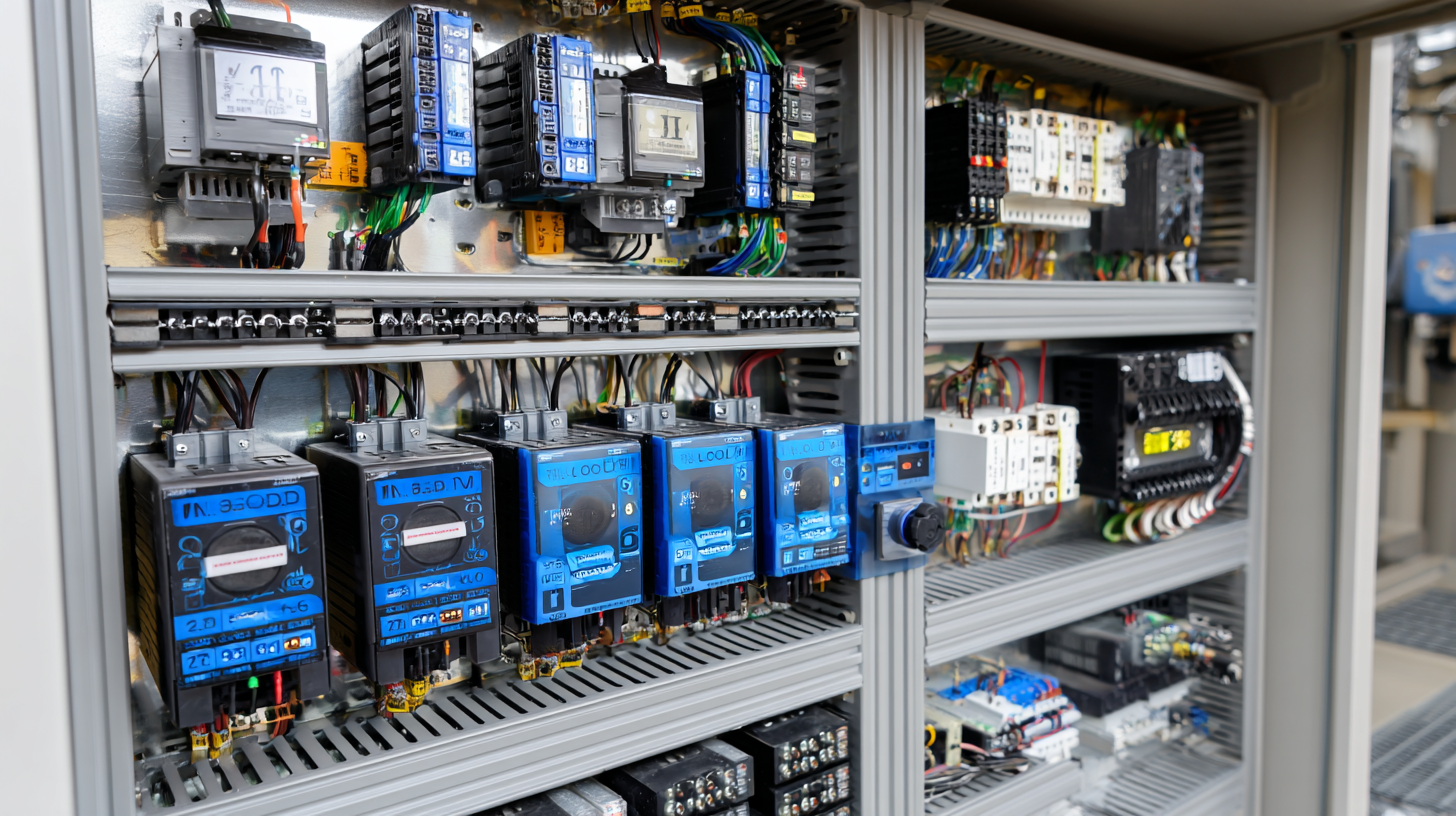
According to Navigant Research, smart energy solutions like these help businesses get real-time data on their consumption, making it easier to fine-tune and optimize power use. If you’re thinking about it, I’d suggest doing an energy audit—you know, a quick check to spot where you might improve your current systems. Honestly, understanding where you can do better can really open up opportunities to incorporate new tech. And don’t forget—working hand-in-hand with energy solution providers can keep you in the loop about the latest trends and innovations, so your business stays competitive and eco-friendly. It’s all about staying ahead of the game, right?
Regulatory Impact on Global Procurement of Industrial Power Supply Systems
The rules and regulations around the world really shape how companies go about sourcing industrial power systems. These days, there’s a big push for sustainability and energy efficiency, so regulations in different regions have become much more detailed and strict. For example, the IEC has introduced standards like IEC 62040, which sets benchmarks for uninterruptible power supplies—essentially, these standards are about making sure UPS systems are energy-efficient and perform well. If you look at a report from Grand View Research, they’re predicting the global UPS market could hit around $17.14 billion by 2025, and a lot of that growth is fueled by tighter regulations pushing for higher efficiency in industrial power setups.
On top of that, companies need to pay close attention to environmental laws like the EU’s RoHS and WEEE directives. These rules are all about keeping hazardous substances out of electrical gear and promoting sustainable sourcing and recycling practices. According to Markets and Markets, the global market for industrial power supplies is expected to grow at a compound annual growth rate (CAGR) of about 4.3% from 2022 to 2027, which shows how important it is for stakeholders to stay on top of these regulations. Basically, following these rules isn’t just about avoiding penalties—it’s also a great way for companies to boost their reputation and develop procurement strategies that blend environmental responsibility with smooth operations.
Innovative Examples of Industrial Power Supply Solutions for Global Procurement
This chart illustrates the impact of regulatory changes on global procurement practices for Industrial Power Supply systems over the past five years. The data reflects the percentage of companies adjusting their strategies in response to regulations regarding energy efficiency and sustainability.
Future-Proofing Your Power Supply: Adapting to Market Changes and Trends
Thinking ahead with your power supply solutions is more important than ever these days. With industries pivoting toward cleaner, more reliable energy sources, businesses really have to keep up with what's changing—whether it's new tech or shifting customer expectations. Companies like Jiangxi MIJI Electronics and Technology Co., Ltd. are good examples of how to stay flexible. They've been in the game for nearly twenty years, giving them plenty of experience in LED power supplies. Their products aren’t just built to last through tough conditions—they also support today’s sustainability goals. From rainproof to waterproof LED power supplies, they’ve got options that meet the highest industry standards for durability and efficiency.
But it’s not just about the products. Understanding what's happening in the global market for procurement is just as crucial. More and more, organizations are after solutions that deliver longevity, but also give them a leg up in terms of cost and performance. MIJI’s focus on quality means businesses can count on getting reliable power supplies and spend less time worrying about maintenance or failures. This way, they can focus more on innovating and growing. By constantly improving their offerings and keeping an eye on market trends, MIJI is really leading the charge in the industrial power supply scene. They’re all about equipping clients with what they need to succeed, no matter how fast things change.
Maximizing Efficiency with the Mini 24W 12V/24V LED Power Supply: A Guide to Optimal Lighting Solutions
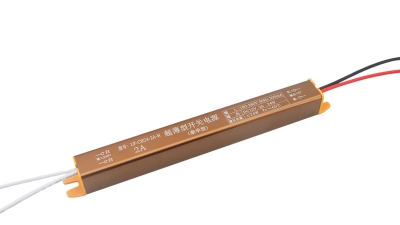
Maximizing efficiency in lighting solutions is essential for both professional and DIY projects. The Mini 24W LED Power Supply stands out as an optimal choice, especially in situations where space is limited. This compact power supply, available in 12V 2A and 24V 1A configurations, measures a mere 172mm, making it incredibly versatile for various applications. Whether you're working with low-wattage LED strips, intricate signage, or custom designs that require a discreet power source, the Mini Power Supply delivers reliable performance without sacrificing space.
One of the key advantages of the Mini 24W LED Power Supply is its ability to fit into tight areas where larger drivers would be impractical. This feature opens up new possibilities for designers and hobbyists alike, allowing for creativity without barriers. The safe and dependable operation ensures that your lighting projects will not only shine brightly but also stand the test of time. By choosing the Mini 24W, you're investing in a power supply that meets the demands of modern lighting while maximizing the efficiency of your setup, providing you with optimal lighting solutions tailored for any space.
FAQS
: Key technologies include advancements in energy-efficient solutions, particularly Gallium Nitride (GaN) power solutions, and the integration of artificial intelligence (AI) to optimize energy consumption and enhance sustainability.
Investments in energy-efficient technologies can yield quick returns, often exceeding 3-5 times the initial costs by saving on operational expenses.
Renewable energy sources, such as solar and wind, provide sustainable alternatives that reduce carbon footprints and often come with lower long-term operating costs, while traditional power supplies like fossil fuels are more established and reliable but face scrutiny for their environmental impact.
Industries should conduct a thorough cost-benefit analysis to understand potential savings and the required initial investment, and engage with suppliers who specialize in innovative power solutions.
Future-proofing is crucial as industries adapt to changing consumer demands and technological advancements, ensuring they remain competitive by investing in sustainable and reliable energy sources.
MIJI exemplifies adaptability by providing innovative power supply solutions that withstand environmental challenges and align with modern sustainability goals, backed by nearly two decades of experience in the industry.
MIJI offers a range of power supplies, including rainproof and LED waterproof options, that comply with high industry standards for durability and efficiency.
MIJI's commitment to quality and innovative design ensures that businesses can secure reliable power supplies while focusing on innovation and growth to meet global procurement trends.
AI technology helps optimize energy consumption in industrial applications, accelerating the implementation of sustainable energy solutions and enabling existing infrastructures to operate at peak efficiency.
The EU's climate neutrality goals emphasize the need for innovative products and solutions, driving industries to adopt energy-efficient technologies and practices to meet ambitious environmental targets.
Conclusion
These days, with everything changing so fast, innovative power supply solutions for industry are really shaking up how companies approach procurement around the world. It's pretty much essential for businesses to stay on top of the latest trends in power tech—think smart management systems and renewable energy options—to turbocharge their operations and stay compliant with regulations. Technologies like these are giving companies a real leg up in the competitive industrial game. When you compare renewable energy sources with traditional ones, it’s clear that renewables offer some serious perks—like being more sustainable and saving money in the long run.
Take Jiangxi MIJI Electronics and Technology Co., Ltd., for example. These folks have been leading the charge for over 19 years, specifically in the LED power supply scene. They’ve got a wide range of products—rainproof, waterproof LED power supplies and more—and they’re really on the cutting edge of modern power solutions. Their success stories show just how important it is to future-proof your power systems so they can adapt as markets and tech evolve. That way, companies can keep growing sustainably without getting stuck in the past.