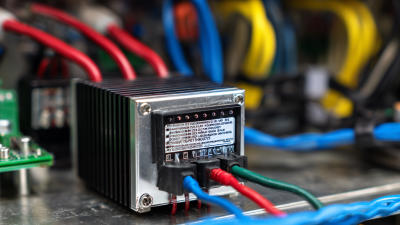
Picking out the right Led Driveris a pretty important step when you're working on any lighting project. A solid Led Driver not only keeps things running smoothly but also helps your LED lights last longer. Surprisingly, lots of folks tend to overlook how big of a deal it really is, and that can lead to some pretty inefficient setups and even extra expenses down the line.
When you're choosing a Led Driver, think about things like how much power it can handle and whether it's compatible with your LEDs. It’s also worth knowing the difference between constant current and Constant Voltage Drivers — a lot of people just buy LEDs without really understanding what their setup needs. That can cause flickering or, worse, damage the LEDs altogether.
My advice? Don’t just go for the biggest brand names without testing. Try out different models if you can, and see how they perform with your specific setup. Relying solely on brand reputation isn’t a guarantee of quality. Make sure the Led Driver you pick meets all safety and performance standards — that way, you’ll save yourself from some costly headaches later. Basically, take the time to consider what you really need before making a final call. It’s worth it to make a more informed decision!
Understanding the Role of LED Drivers in Lighting Systems
LED drivers play a crucial role in lighting systems. They regulate the Power Supply to LED lights, ensuring consistent performance. An LED driver converts the main voltage to a suitable level for LEDs. Without proper drivers, LEDs may flicker or fail prematurely.
When selecting an LED driver, consider its compatibility with your system. Different LED setups require different specifications. A mismatch can cause inefficiency or damage. It's essential to understand how the driver interacts with other components. Pay attention to the output voltage and current ratings.
Efficiency is another critical factor. A poor-quality driver can waste energy and generate heat. Look for drivers designed for maximum performance. Some models come with dimming options, enhancing usability. However, not all drivers provide the same level of reliability. Take the time to research user reviews and expert insights for better decisions.
Key Factors to Consider When Selecting an LED Driver
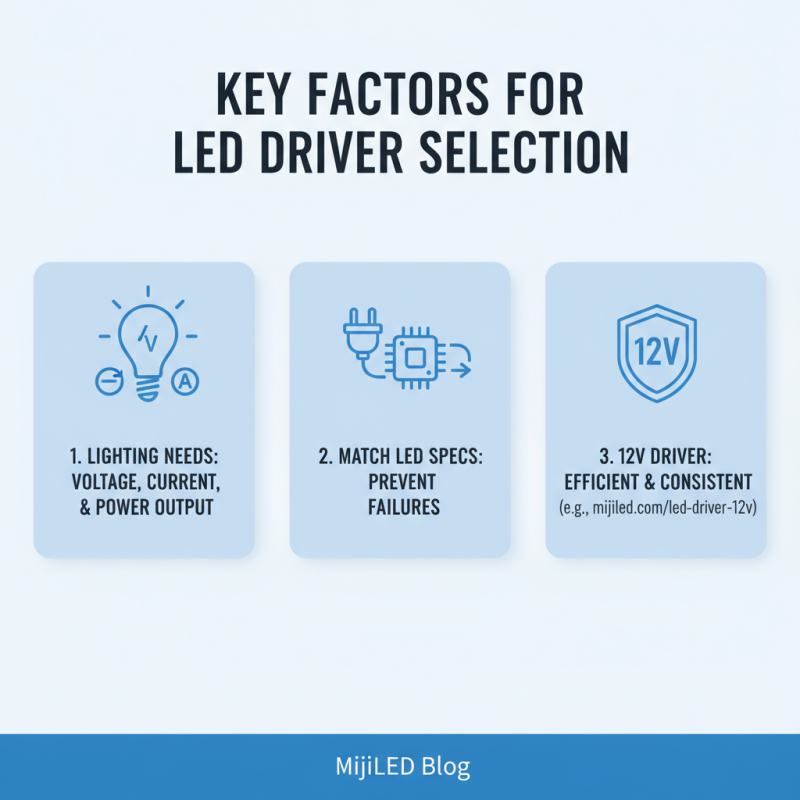
When selecting an LED driver, several key factors must be considered. Understanding your project's specific lighting needs is essential. This includes the voltage requirements, current ratings, and overall power output. For instance, a Led Driver 12v is ideal for applications requiring consistent and efficient performance. Ensure it matches the LED specifications perfectly to avoid failures.
Another important aspect is efficiency. Look for an LED driver with a high efficiency rating. This not only saves on energy consumption but also prolongs the lifespan of the driver itself. When efficiency is lacking, the heat generated can lead to potential damage. Always check the thermal management features included in the design.
Reliability and safety are critical as well. Ensure the driver has protective measures against short circuits, overloads, and overheating. Inadequate protection can result in premature failure of the unit or even fire hazards. Read user reviews and specifications to gauge the reliability of the product before making a decision. Each factor plays a vital role in ensuring that your LED installation functions optimally and safely.
Types of LED Drivers: Constant Current vs. Constant Voltage
When selecting an LED driver, understanding the two primary types—constant current and constant voltage—is crucial for optimal performance. Constant current drivers regulate the current flowing through LEDs, ensuring they stay within a specific range. This approach is important for applications needing precise light output, which is often used in automotive and medical lighting systems. According to a report from the U.S. Department of Energy, these drivers enhance energy efficiency by up to 20%.
On the other hand, constant voltage drivers provide a consistent voltage output. This option is typically used with LED strips and other modular lighting systems. For example, a Led Driver 24v is commonly utilized in low-voltage applications like garden and landscape lighting, where flexibility in design is essential. However, users must be cautious. Overloading a constant voltage driver can lead to inconsistencies or damage in LED performance.
The choice between these two types of LED drivers often depends on the specific application requirements. While constant current drivers optimize efficiency, they may not suit every project. Conversely, constant voltage drivers offer versatility but require careful consideration of load management. Reflecting on these aspects can lead to improved decisions when integrating LED lighting solutions into various environments.
Determining the Right Power Rating for Your LED Driver
Choosing the right power rating for your LED driver is crucial. It directly affects the performance and efficiency of your lighting system. Under-specifying the driver can lead to insufficient power, causing flickering or dimming. On the other hand, over-specifying can waste energy and increase costs.
When determining the right power rating, consider the total wattage of your LED lights. Calculate the combined wattage of all fixtures. This total will guide your choice for an LED driver that meets the demand without exceeding it unnecessarily. It’s also vital to account for future expansions. You might add more fixtures later, so leaving some room is wise.
Efficiency matters. Higher-rated drivers may strain your budget. Yet, if you choose a lower-rated driver, it may fail prematurely or underperform. Evaluate the ambient conditions as well. Extreme temperatures can affect how drivers perform. A thorough assessment will lead to a more reliable, cost-effective solution for your lighting needs.
Top 10 Essential Tips for Choosing the Best LED Driver - Determining the Right Power Rating for Your LED Driver
| Tip Number | Tip Description | Recommended Power Rating (W) | Output Voltage Range (V) | Efficiency Rating (%) |
| 1 | Consider the total wattage of your LED setup. | 30 | 12-24 | 85 |
| 2 | Select drivers with a slightly higher wattage than required. | 50 | 12-48 | 90 |
| 3 | Ensure the driver matches the LED voltage requirements. | 20 | 5-30 | 88 |
| 4 | Look for dimmable options if necessary. | 40 | 12-24 | 92 |
| 5 | Check for thermal performance ratings. | 25 | 12-36 | 87 |
| 6 | Evaluate long-term reliability and lifespan. | 35 | 12-24 | 90 |
| 7 | Assess for short circuit and overcurrent protection. | 15 | 12-30 | 86 |
| 8 | Ensure it meets safety standards. | 60 | 12-48 | 85 |
| 9 | Consider IP rating for environmental use. | 45 | 12-36 | 89 |
| 10 | Check compatibility with existing LED systems. | 55 | 12-48 | 91 |
Efficiency and Thermal Management in LED Drivers
When selecting an LED driver, efficiency and thermal management are critical factors. Research shows that over 25% of energy savings can be achieved with high-efficiency LED drivers. A driver with an efficacy of over 90% not only minimizes energy waste but also reduces heat generation. Lower heat means extended component lifespan, enhancing reliability.
Thermal management involves several design aspects. Proper heat sinking and thermal interface materials play key roles. Poor thermal management can lead to failures and shortened operational life. Research indicates that drivers without adequate thermal management may experience a 30% cut in lifespan under constant high temperatures. Designers must consider cooling methods and location to ensure optimal performance.
Moreover, continuous monitoring of temperature conditions is essential. Regularly assessing the thermal performance of LED drivers helps identify potential issues early. Ignoring thermal assessments can lead to unforeseen failures and costly replacements. Therefore, understanding thermal dynamics in LED drivers is not just an advantage; it is a necessity for reliable LED lighting systems.
Efficiency and Thermal Management in LED Drivers
Compatibility with LED Fixtures and Dimmer Controls
Choosing the right LED driver is crucial for optimal lighting performance. Compatibility with your LED fixtures and dimmer controls is a key factor. Many people overlook this aspect, which can lead to frustration and poor lighting quality. Before making a purchase, check the specifications of both the LED driver and your fixtures.
When selecting an LED driver, pay attention to the wattage. For instance, if you're using a 150w Led Driver, ensure that it matches the total wattage of your LED fixtures. Overloading your driver can cause overheating and reduce its lifespan. Additionally, consider the type of dimmer control you have. Not all drivers work well with every dimmer, which can affect your lighting experience.
Testing is also essential. After installation, you should run the system at different dimming levels to see how it performs. Some users report flickering or uneven lighting when mismatched. It's advisable to read reviews or consult professionals to understand the best combinations. This can ultimately save you time and money, leading to a more satisfying lighting setup.
Safety Standards and Certifications for LED Drivers
When selecting an LED driver, safety standards play a pivotal role. Various certifications indicate a driver’s quality and reliability, ensuring it meets industry benchmarks. For example, IEC 61347 and UL 8750 are crucial safety standards for LED drivers. These certifications verify that the product is suitable for various applications, vastly reducing risks and enhancing performance.
The IP67 rating is particularly notable. An Ip67 Led Driver is resistant to dust and water, making it ideal for outdoor settings. Tests show that products with this rating endure immersion in water up to one meter for 30 minutes without compromising functionality. This is vital for installation in adverse conditions, where exposure to moisture can lead to failures.
Manufacturers often struggle to maintain these safety standards. Reports indicate that about 30% of LED drivers fail to meet necessary testing requirements. This raises concerns for consumers and industry professionals alike. Ensuring you choose a certified LED driver can prevent potential safety hazards. Always verify certifications before making a purchase, as these are essential for both performance and safety.
FAQS
: LED drivers regulate power supply to LED lights. They ensure consistent performance and convert main voltage to suitable levels.
Different LED setups need specific driver specifications. Mismatches can cause inefficiency or damage components.
A poor-quality driver can waste energy and generate excessive heat. It may lead to reliability issues over time.
The main types are constant current and constant voltage drivers. Each serves different applications and has unique benefits.
Constant current drivers are vital in applications needing precise light output, such as automotive and medical lighting.
Constant voltage drivers work well with modular lighting systems like LED strips, providing consistent voltage output.
Overloading a constant voltage driver can cause inconsistencies or damage LED performance, leading to potential failures.
Research user reviews and expert insights to avoid unreliable products. Making informed decisions improves overall lighting performance.
Higher efficiency in LED drivers can enhance energy savings. Poor efficiency may lead to unnecessary energy waste and heat.
Dimming options can enhance usability, but not all drivers provide the same level of reliability. Reflecting on this is essential.
Conclusion
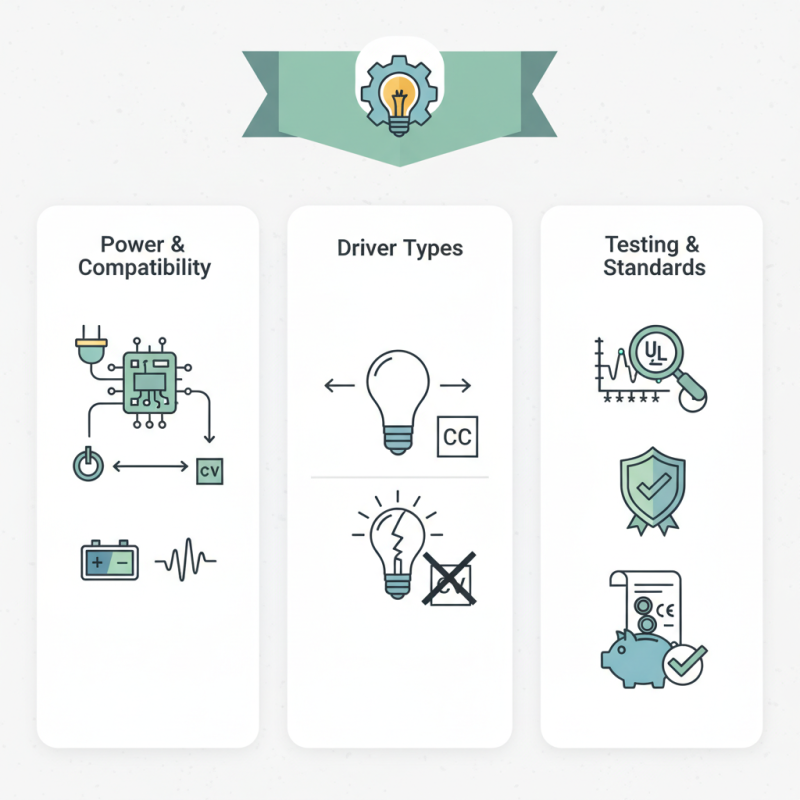
Selecting the right LED driver is crucial for optimizing the performance of lighting systems. An LED driver plays a vital role by regulating the power supplied to LEDs, ensuring they operate efficiently and maintain longevity. When choosing an LED driver, it is essential to consider key factors such as whether a constant current or constant voltage driver is more suitable for your application. Additionally, determining the appropriate power rating is critical to match the needs of your LED fixtures.
Efficiency and thermal management are also paramount, as they affect the overall reliability and lifespan of the driver. Ensuring compatibility with your LED fixtures and dimmer controls will enhance usability. Lastly, adherence to safety standards and certifications is necessary to guarantee both performance and safety in your lighting system. By considering these factors, you can confidently select the best LED driver for your needs.