- Home
- Company
- Products
- News
- Support
- Contact us
Leave Your Message
- Phone
- E-mail
- Whatsapp
- WeChat


When it comes to choosing lighting solutions these days, picking the right Led Driver is a pretty big deal if you want everything to run smoothly and save energy. Basically, LED drivers are like the traffic cops for your lighting — they control the power so your LEDs don’t go haywire and stay within their sweet spot. Looking ahead to 2025, the market’s packed with all sorts of new, exciting LED drivers. They’re suited for pretty much any space — whether it’s your cozy home or a big commercial building.
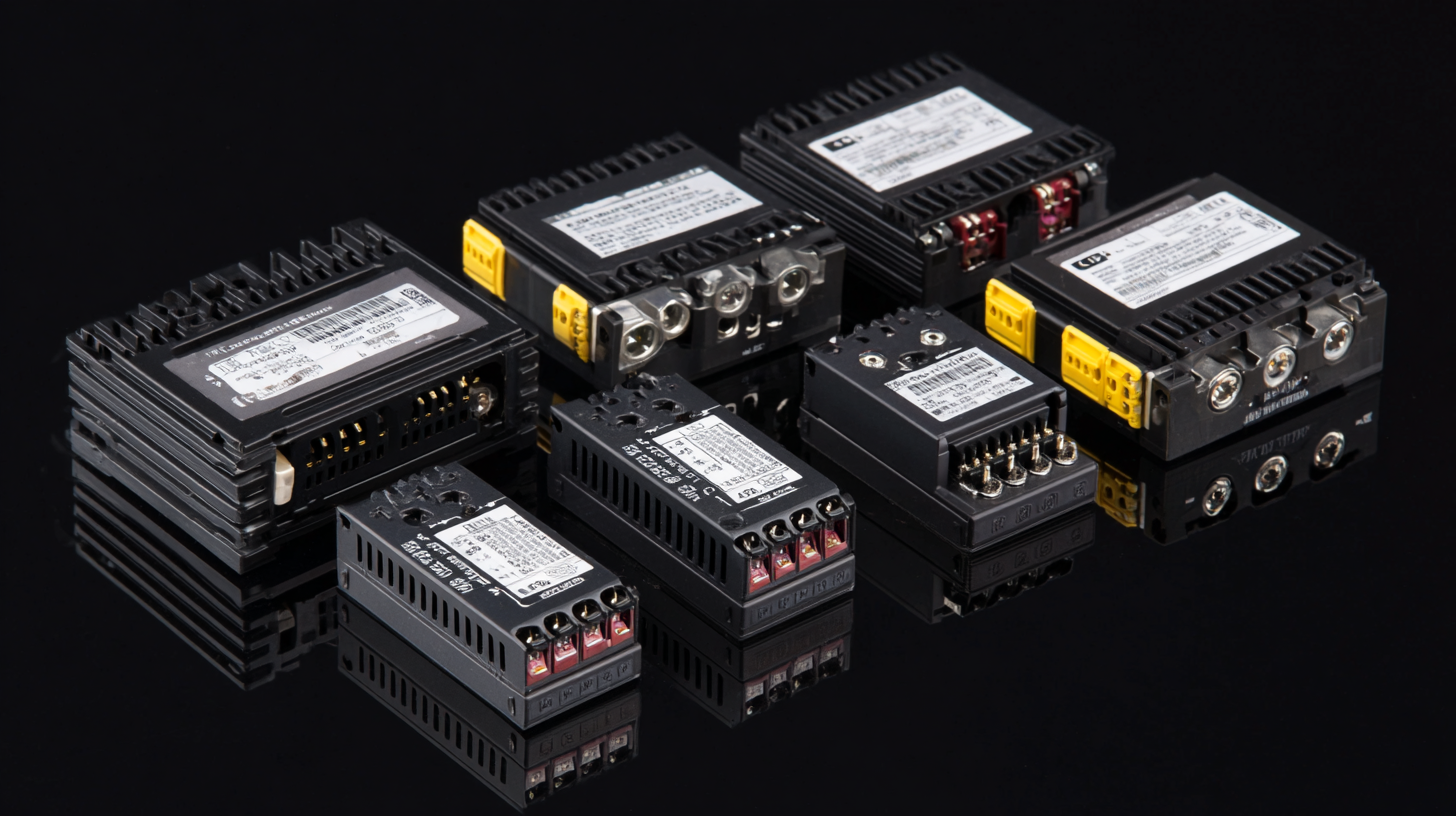
In this article, I want to highlight the top 10 LED drivers that really stand out—whether it’s because they perform well, are reliable, or come packed with cool tech features. Brands like Mean Well, Philips, and Tridonic are at the forefront, whipping up drivers that do more than just turn your lights on — they improve overall quality and help your LED fixtures last longer. By taking a closer look at these top options, I hope to give you some valuable insights on how choosing the right LED driver can really boost your lighting projects and contribute to greener energy habits. As we go through these choices, getting familiar with what makes each one special will totally help you make smarter decisions that match your lighting needs and environmental values.
When selecting an LED driver, understanding key features is crucial for achieving exceptional lighting performance. According to a report by MarketsandMarkets, the global LED driver market is expected to grow from $3.6 billion in 2020 to $7.5 billion by 2025, indicating increasing demand for efficient lighting solutions. Essential features to consider include efficiency, dimmability, and thermal management. High-quality LED drivers should maintain an efficiency rating of over 90%, as this directly impacts energy consumption and overall cost savings.
Another critical aspect is the driver’s compatibility with different dimming protocols. A study by the National Electrical Manufacturers Association (NEMA) highlights that more than 70% of consumers prefer adjustable light levels for various settings. Therefore, selecting drivers that support multiple dimming methods, such as TRIAC or 0-10V dimming, can significantly enhance user satisfaction and application versatility. Additionally, robust thermal management systems within drivers are imperative, as poor thermal performance can reduce the lifespan of LED bulbs by up to 50%, according to the International Energy Agency (IEA). By focusing on these key features, consumers can ensure that their LED lighting systems perform optimally while reducing energy costs and extending the life of their fixtures.
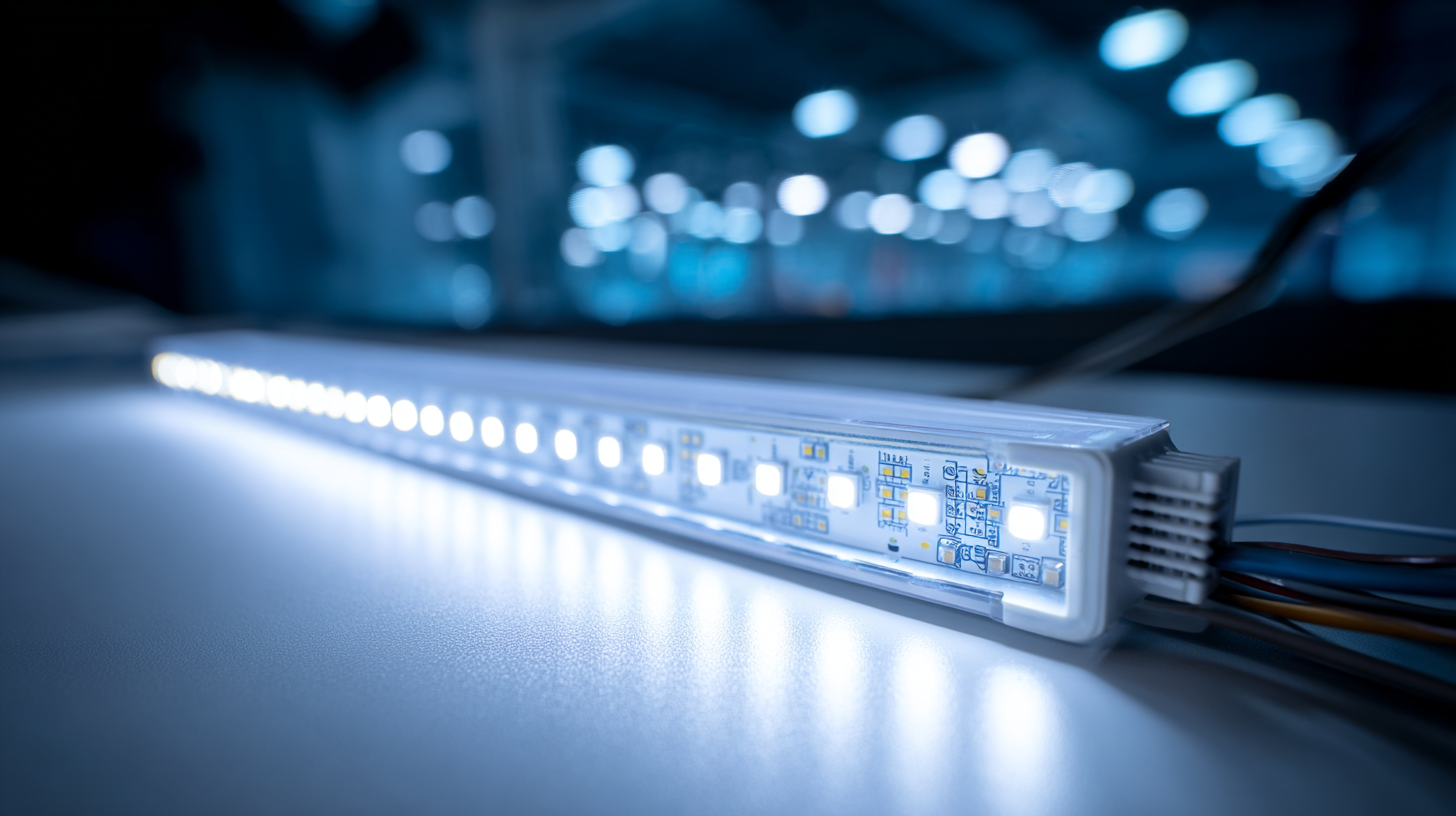
In the competitive world of advertising and signage, visibility is paramount. The Premium 1.8W Samsung 2835 LED Module (7215) stands out as a groundbreaking solution for enhancing illumination, emphasizing high brightness and energy efficiency. Powered by three advanced Samsung 2835 SMD LEDs, this module emits an intense Pure White light at 6000K, ensuring that your signage not only attracts attention but also remains eye-catching in diverse environments. According to the U.S. Department of Energy, LEDs can be up to 80% more efficient than traditional incandescent or neon lights, which aligns perfectly with the savings offered by this module.
Beyond energy efficiency, the longevity of LED lighting significantly reduces long-term operating costs. This module is designed for a remarkable lifespan of over 50,000 hours, translating to reduced maintenance and replacement needs. The convenience of pre-applied 3M adhesive tape streamlines installation, making it suitable for a range of applications, from channel letter lighting to light box illumination. With a weather protection rating of IP65, the module is built to withstand various conditions, ensuring that your advertising remains vibrant regardless of the weather.
The growing trend toward energy-efficient lighting solutions is evident in a report from Fortune Business Insights, projecting a surge in the global LED market. With municipalities and businesses seeking sustainable options, the Samsung 2835 LED Module provides a compelling choice for those looking to maximize their illumination while minimizing environmental impact. Its versatile applications in decorative lighting and DIY projects further highlight its adaptability in meeting diverse lighting needs.
: The booming high-end lighting market, projected to reach USD 20.26 billion by 2024 with a CAGR exceeding 7.7%, significantly influences the demand for advanced LED drivers.
Selecting the right LED driver is crucial for optimal lighting performance, as it impacts compatibility, reliability, and overall efficiency, meeting consumer expectations and regulatory standards.
LED drivers regulate the electrical current to prevent overheating, thus minimizing thermal stress on the LEDs and significantly prolonging the lifespan of the bulbs.
Advanced LED drivers often come with dimming capabilities and thermal protection to enhance reliability and energy efficiency while safeguarding both the LEDs and the driver.
The integrated LED market is expected to grow from USD 62.62 billion in 2025 to USD 29.43 billion by 2033, reflecting a stable CAGR of 9.9%.
Dimming functionality reduces heat output during low-light situations, which not only enhances energy efficiency but also provides flexibility in lighting design.
Improperly designed LED drivers can lead to overheating, significantly shortening the lifespan of the LEDs and increasing the risk of thermal stress and failure.
Thermal protection mechanisms in LED drivers can automatically shut down the driver in case of overheating, thereby improving the reliability and safety of the lighting system.
The evolution of technology is driving innovations in LED driver solutions, making it a focal point for manufacturers targeting the expanding market.
Consumers should consider factors such as compatibility with specific LED types, the reliability and efficiency of the driver, and additional features like dimming and thermal protection when choosing an LED driver.
The article "Top 10 Essential LED Drivers for Optimal Lighting Performance" highlights the importance of selecting the right LED driver to ensure exceptional performance in various lighting applications. It explores key features of top LED drivers, explains the different types available, and provides guidance on choosing the right one for specific lighting needs. Moreover, it compares efficiency ratings among leading brands and discusses the role of LED drivers in enhancing the lifespan of lighting fixtures.
As a longstanding player in the LED power supply industry, Jiangxi MIJI Electronics and Technology Co., Ltd. emphasizes the significance of high-quality LED drivers in their product range. With over 19 years of specialization, MIJI's offerings, including rainproof and waterproof power supplies, reflect a commitment to sustainable lighting solutions and innovative driver technology. This article serves as a valuable resource for anyone looking to understand and invest in effective LED drivers for optimal lighting performance.