You know, when it comes to modern electronics, a Dc Power Supply module really isn’t something you can overlook. I mean, honestly, the global market for these things is expected to hit around $10 billion by 2026, and a lot of that growth is thanks to renewable energy projects taking off. Technology companies and industries rely so much on these modules — they’re the backbone when it comes to efficiency and dependability.
Basically, a DC power supply module takes AC power—like the power coming from your wall outlet—and converts it into DC, which is what most electronic gadgets run on. Think about your smartphones, communication devices, and even some home appliances — they all depend heavily on these modules to work smoothly. Big players like Mean Well and Traco Power have been working on making their power supplies even better, more reliable, and longer-lasting.
Of course, it’s not all smooth sailing. Sometimes these modules can overheat or unexpectedly fail, which isn’t great — especially if you’re using them in harsher environments. That’s why ongoing improvements and thorough testing are so crucial. Plus, with the buzz around Led Module power supplies—something you can check out [here](https://www.mijiled.com/led-module-power-supply)—the industry is definitely pushing forward toward more energy-efficient options. Still, there are challenges to overcome, and it’s worth taking a closer look at current products and practices to see where we can do better.
What is a DC Power Supply Module?
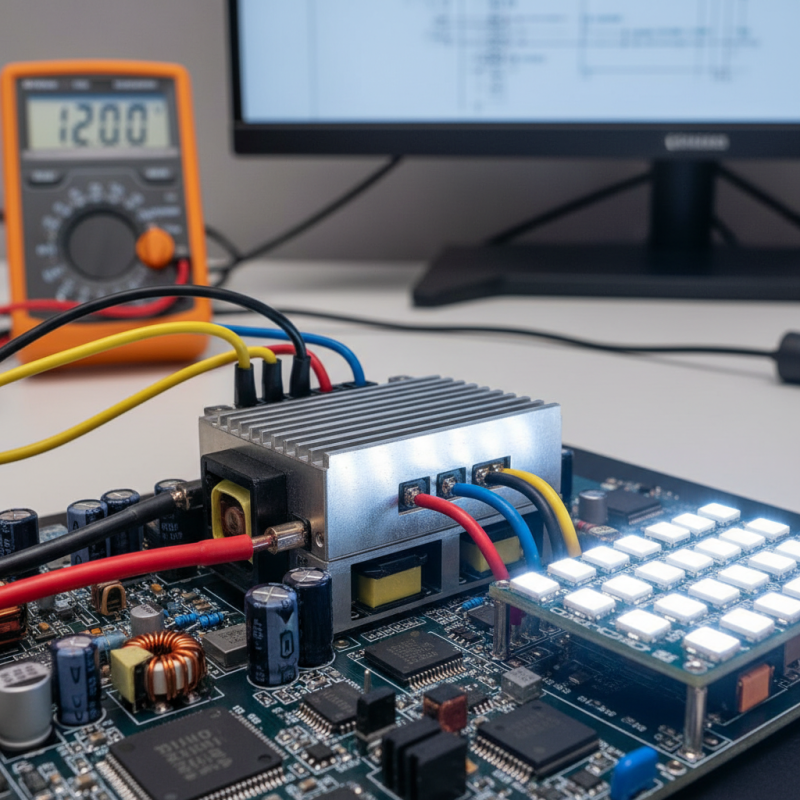
A DC power supply module is a device that converts alternating current (AC) into direct current (DC). It provides a stable voltage output, suitable for powering various electronic circuits and devices. The module typically consists of a transformer, rectifier, and filter. Each component plays a crucial role in ensuring a consistent power flow.
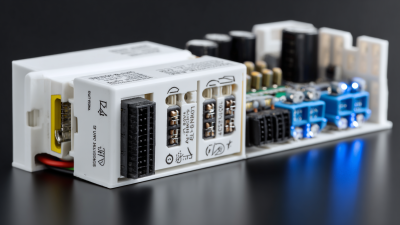
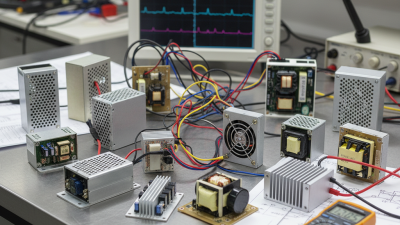
These modules are commonly used in electronics, robotics, and telecommunications. They vary in size and power output. Some are small enough for handheld devices, while others can power larger systems. The design impacts efficiency and heat generation. Users often overlook heat dissipation, which can lead to performance issues.
Tips:
- When selecting a module, check its specifications, like voltage and current ratings.
- Ensure compatibility with your devices.
- Regular maintenance is important, as dust accumulation can affect functionality.
- Consider using surge protection to prolong the module's life.
- Always keep an eye on the operating temperature to avoid overheating.
Key Components of a DC Power Supply Module
A DC power supply module is a crucial component in many electronic systems. It converts alternating current (AC) into direct current (DC). This conversion is essential for powering devices like computers, LED video wall modules, and more.
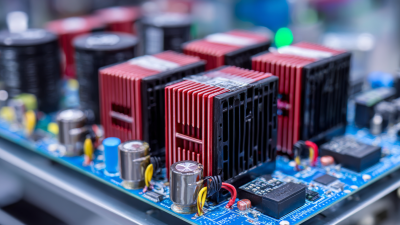
Key components of a DC power supply module include transformers, rectifiers, and voltage regulators. The transformer steps down the voltage. It’s a vital first step. Without it, the next components can't function correctly. Next, rectifiers convert AC to DC. This process can be intricate, often requiring attention to detail. A poorly designed rectifier may lead to inefficiencies. Voltage regulators maintain a stable output, regardless of changes in input. This is critical for providing a consistent power supply.
Designing effective DC power supply modules is challenging. Balancing efficiency with size can be difficult. Many engineers face this dilemma. They often wish for a more straightforward solution. However, each component plays a role in the system's performance. Reflecting on these challenges can lead to better designs in the future.
How Does a DC Power Supply Module Operate?
A DC Power Supply Module is essential for various electronic applications. It converts alternating current (AC) to direct current (DC). This conversion is vital for devices that require a stable power source. Without it, sensitive machines might fail to operate properly.
How does a DC Power Supply Module operate? It starts by taking in AC voltage. This voltage goes through a transformer that adjusts the voltage level. Next, the current flows to a rectifier, converting AC to DC. Afterward, capacitors smooth the output. This process ensures a continuous and stable current.
However, despite the design, performance issues can arise. If the filtering is inadequate, ripple voltage may occur. This can stress connected devices. Users often overlook this aspect, which can lead to problems. Reflecting on these points helps in better understanding and using a Power Supply Module effectively.
Different Types of DC Power Supply Modules
Dc Power Supply Modules are essential components in many electronic systems. They convert alternating current (AC) into direct current (DC), ensuring devices receive the correct voltage and current. Various types of DC power supply modules exist, each designed for specific applications.
One common type is the linear power supply module. It provides stable output and is known for low noise. However, it can be bulky and less efficient. Reports indicate that linear modules achieve efficiencies around 60% to 80%. In contrast, switching power supply modules are gaining popularity. They achieve efficiencies above 90%, making them suitable for compact and high-performance devices. Their design allows for smaller sizes but can introduce high-frequency noise.
Another interesting type is the programmable DC power supply module. Users can adjust voltage and current settings to meet specific requirements. This flexibility makes them invaluable in testing and development environments. Interestingly, data shows that programmable modules are increasingly being adopted in research labs, with a growth rate of 10% yearly. Issues like noise and complexity can arise. This reflects a need to improve user experience while maintaining performance. The variety of DC power supply modules highlights the evolving needs of technology, pushing for continuous innovation.
Types of DC Power Supply Modules
This chart displays the efficiency percentages of various types of DC power supply modules. Efficient power supplies are crucial for energy savings and operational reliability.
Applications of DC Power Supply Modules
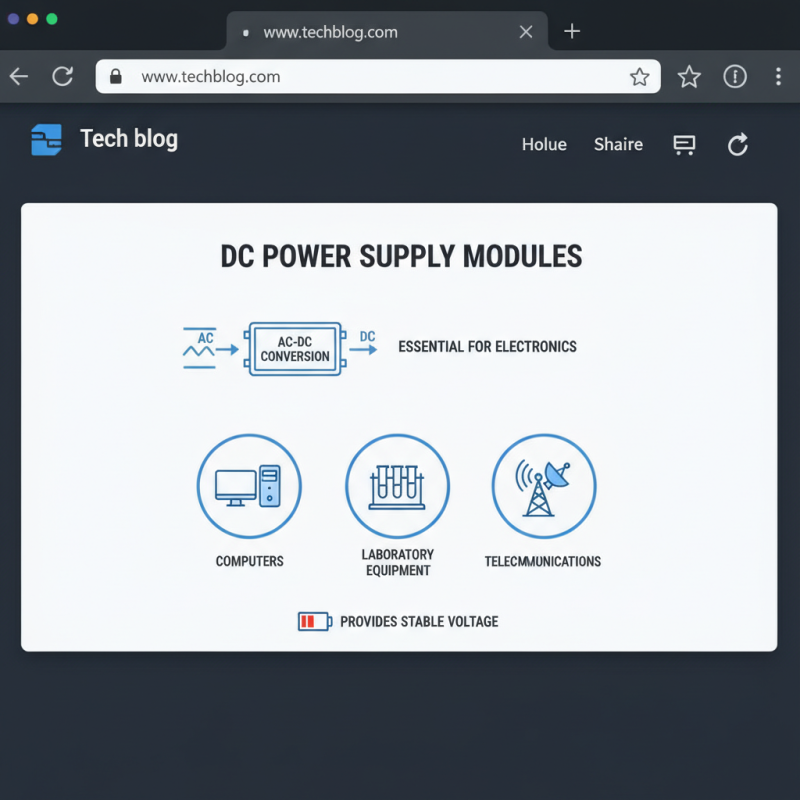
DC power supply modules are essential in various applications. They convert alternating current (AC) to direct current (DC) for electronic devices. This transformation is crucial for devices that require stable voltage. Common applications include powering computers, laboratory equipment, and telecommunication devices.
In the medical field, DC power supplies ensure that critical devices operate reliably. They support life-saving machines, like ventilators and monitors. In industrial settings, these modules power sensors and automation systems. Their reliability affects production efficiency. Yet, choosing the right module can be challenging. Users must consider voltage requirements and load conditions.
Additionally, DC power supplies are vital in renewable energy systems. Solar panels often use them to charge batteries. This allows stored energy for later use. However, there can be inefficiencies in the conversion process. Users need to evaluate these factors carefully. Even small losses can lead to significant issues over time.
Advantages of Using DC Power Supply Modules
DC power supply modules are essential in various electronic applications. They provide stable voltage and current, making them suitable for powering circuits like Led Modules. These modules convert alternating current (AC) to direct current (DC) efficiently. This allows devices to run smoothly without fluctuations.
One major advantage of using DC power supply modules is their compact design. They occupy less space, which is crucial in modern electronics. Additionally, these modules enhance energy efficiency. By reducing power loss during the conversion, they help in lower electricity costs. There’s also reduced heat generation. This can extend the lifespan of sensitive components, such as LED modules, that may be affected by heat.
However, reliance on DC power supply modules can lead to unexpected issues. Compatibility with certain devices may pose challenges. Some systems require specific voltage levels. If not matched correctly, damage can occur. Regular maintenance and checks are essential to avoid failures. Users should be aware of these potential pitfalls to ensure proper function of their setups, especially when integrating LED modules into their projects.
What is a DC Power Supply Module and How Does It Work? - Advantages of Using DC Power Supply Modules
| Feature | Description | Advantages |
| Voltage Regulation | Maintains a constant output voltage regardless of input voltage fluctuations. | Ensures reliable operation of devices sensitive to voltage changes. |
| Efficiency | Converts AC to DC with minimal energy loss. | Reduces electricity bills and heat generation. |
| Compact Size | Smaller footprint compared to traditional power supply units. | Saves space in electronic devices and systems. |
| Output Current | Provides variable or fixed output current based on design. | Meets the specific needs of various electronic components. |
| Protection Features | Includes overload, short-circuit, and thermal protection. | Increases the safety and longevity of the attached equipment. |
Maintenance and Care for DC Power Supply Modules
DC power supply modules are vital in various applications. Maintaining these modules ensures their longevity and performance. Regular inspections can prevent issues that may arise from wear and tear. Research shows that 20% of power failures are due to inadequate maintenance.
Keeping the modules clean is essential. Dust and debris can cause overheating, leading to failure. It is recommended to clean the units every few months. Use a soft cloth or compressed air for this task. Ensure the units are powered off during cleaning to avoid shock.
Temperature control is another critical aspect. Ideal operating temperatures often range between 0°C and 50°C. Exceeding this range can shorten the lifespan of the module. Monitoring ambient conditions can help detect problems early. Additionally, checking connections periodically is key. Loose wires can lead to inefficiency. Implementing these practices can improve not just performance but reliability too.
Enhancing Outdoor Advertising Efficiency: An Analysis of the Top Choice 12V 400W Power Supply's Performance Metrics in LED Applications
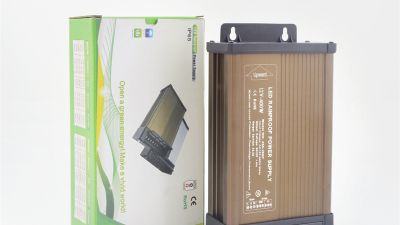
In the realm of outdoor advertising, efficiency and dependability are paramount. A critical element to achieving these goals is the power supply used to run LED displays and signage. Recent industry reports highlight that systems incorporating high-performance power supplies achieve significantly greater operational effectiveness, evidenced by up to 20% increased brightness and visibility during peak daylight hours. The focus has shifted to optimizing power supplies that not only deliver adequate wattage but also ensure durability under challenging environmental conditions.
The 12V 400W outdoor power supply stands as a leading solution for powering outdoor signage. With a strong output of 33.3 Amps, it is specifically designed to support the robust demands of LED applications, vital for advertisements in competitive markets such as India and the UAE. Studies indicate that reliable components result in enhanced longevity and a lower failure rate. Units utilizing premium capacitors and passing rigorous burn-in tests demonstrate an impressive failure rate of less than 0.1%, proving their reliability in real-world settings.
Moreover, the robust, rainproof design of these power supplies ensures that they can withstand harsh weather while providing stable power to LED installations. Convenience in maintenance is also a key attribute, with thoughtful housing designs that ease installation and allow for efficient access. Such features not only enhance user experience but also contribute to a longer operational life of the signage, making these power supplies a smart choice for businesses aiming to maximize the impact of their outdoor advertising.
FAQS
: Try drinking water. Take a break from screens. Rest in a dark room.
Establish a bedtime routine. Avoid caffeine in the evening. Keep the room dark and cool.
It boosts mood and energy. Exercise improves sleep quality. It also enhances overall health.
Practice mindfulness or meditation. Deep breathing can help too. Make time for hobbies you enjoy.
Consider fruits and vegetables. Nuts and seeds can be beneficial. Dark chocolate may also help.
Staying hydrated is crucial. It aids digestion and keeps skin healthy. Drink plenty of water daily.
Set a structured schedule. Create a dedicated workspace. Limit distractions as much as possible.
Feeling overwhelmed is a key sign. If you're losing focus, take a short walk. Pay attention to your body.
Include various food groups in meals. Be mindful of portion sizes. Allow occasional treats without guilt.
If symptoms persist or worsen, consult a doctor. Early intervention can often lead to better outcomes.
Conclusion
A DC Power Supply Module is an essential component in various electronic applications, converting alternating current (AC) into direct current (DC) to ensure devices operate efficiently. The module comprises key components such as transformers, rectifiers, and filters, which collectively play a crucial role in the conversion process. Understanding how a DC Power Supply Module operates involves examining the intricate flow of electricity and the function of each component in regulating output voltage and current.
There are various types of DC Power Supply Modules suited for different applications, from consumer electronics to industrial machinery. The advantages of using these modules include improved efficiency, stability, and reliance in power supply. Regular maintenance and care are essential to prolong the life and functionality of a DC Power Supply Module, ensuring that it continues to perform optimally in its designated role.