Picking the right Led Power Supply is such a crucial step if you're working on any lighting project, big or small. I remember reading what David Smith from BrightSource once said — he mentioned that a good match between your power supply and LEDs can really make your lights last much longer. And honestly, that really hits home because it’s so easy to overlook how important this is.
Now, LED power supplies come in all sorts of types and power ratings. If you grab the wrong one, you might end up with flickering lights or even damage your LEDs—that’s never fun. It’s super important to pay attention to things like voltage, wattage, and the environment where your setup will be. Sometimes, these little details get lost in the shuffle, but they can totally make or break your project.
So, take a moment to think about what exactly you need. Are you lighting up a whole large area or just a small fixture? Skipping this step could end up costing you in both time and money. Getting a good grasp on what kind of power supply your LEDs require helps make sure everything runs smoothly and lasts longer. Don’t rush it—spend a little time reflecting on your choices. Trust me, it can save you a lot of headaches down the road.
Understanding LED Power Supply Basics
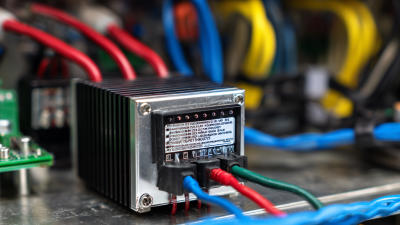
Choosing the right LED power supply can feel overwhelming. However, understanding a few basics can significantly simplify the process. An LED power supply provides the necessary voltage and current to your LEDs, ensuring optimal performance. According to industry reports, a reliable power supply can enhance the lifespan of your LEDs by up to 30%.
When selecting a power supply, consider its wattage. It's essential to match the power supply's wattage with your LED requirements. Overloading a power supply can lead to failure. In contrast, using an underpowered supply might not provide enough energy for proper functioning.
Tips: Always opt for a power supply with a wattage rating exceeding your total LED wattage by 20%. This extra margin ensures stability. Check for efficiency ratings; a supply rated above 85% is ideal. Look for certifications that ensure safety and reliability. This step can prevent many future issues, especially in high-demand applications.
Identifying Your LED Power Requirements
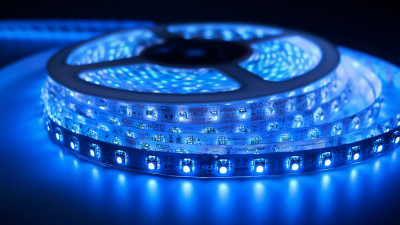
When selecting an LED power supply, understanding your specific requirements is crucial. Start by assessing the total wattage needed for your LED setup. Each Led Strip or module has its own power consumption. Calculate the number of sections you will use. If you overlook this step, it may lead to inadequate lighting or even damage to the components.
Voltage is another key factor. Most LED applications run on specific voltage levels like 5V. If your project involves a display, such as a 5V led pixel led screen power supply, ensure that your supply matches. An incorrect voltage can result in flickering or complete failure of the display.
Also, think about the environment where the power supply will be used. Will it be indoors or outdoors? Moisture and temperature can affect performance and longevity. Additionally, consider the design and size. A power supply that’s too bulky can complicate installation. Aim for efficiency and reliability to avoid future issues. Regularly check the power supply while in use, as unexpected failures can occur.
LED Power Supply Requirements for Different Applications
Evaluating Different Types of LED Power Supplies
When evaluating LED power supplies, it’s essential to consider different types. You’ll find options like switching power supplies, linear power supplies, and constant voltage power supplies. Each type comes with its advantages and drawbacks. For example, switching power supplies are efficient and compact. However, they may introduce noise in sensitive environments. Choosing one can be tricky.
Tips: Always check the voltage requirements of your LEDs. Mismatched voltage can damage your lights. Consider the power supply's rated output power, too. For larger setups, a 12 Power Supply 1000w Rainproof Power Supply can be very effective. Rainproof versions are ideal for outdoor use, providing an additional layer of protection.
Pay attention to the power supply’s efficiency rating. An inefficient model can lead to wasted energy and higher bills. It can also generate more heat, affecting performance. Make sure to account for these factors when making your choice. Research customer feedback and reliability. Everyone has different needs, so reflect on yours before deciding.
Considering Wattage and Voltage Compatibility
Choosing the right Led Power Supply can be tricky. One key factor is wattage. Make sure to match the wattage of your LED lights with the power supply. Underpowered supplies can lead to flickering or dim lighting, which might be frustrating. Over time, this may even damage your LEDs.
Voltage compatibility is another essential aspect. Most LEDs operate on low voltage, typically 12V or 24V. When selecting an LED power supply, check the voltage ratings carefully. A mismatch can cause issues. In some cases, it may not work at all. Always remember that different LED configurations may require specific power ratings.
Sometimes, people overlook efficiency. An inefficient LED power supply can increase your electricity bills. Yes, they might be cheaper upfront, but pay attention to long-term costs. Reflect on your choices. Why compromise on quality? Ensure that both wattage and voltage match your needs for optimal performance.
Assessing Efficiency and Performance Ratings
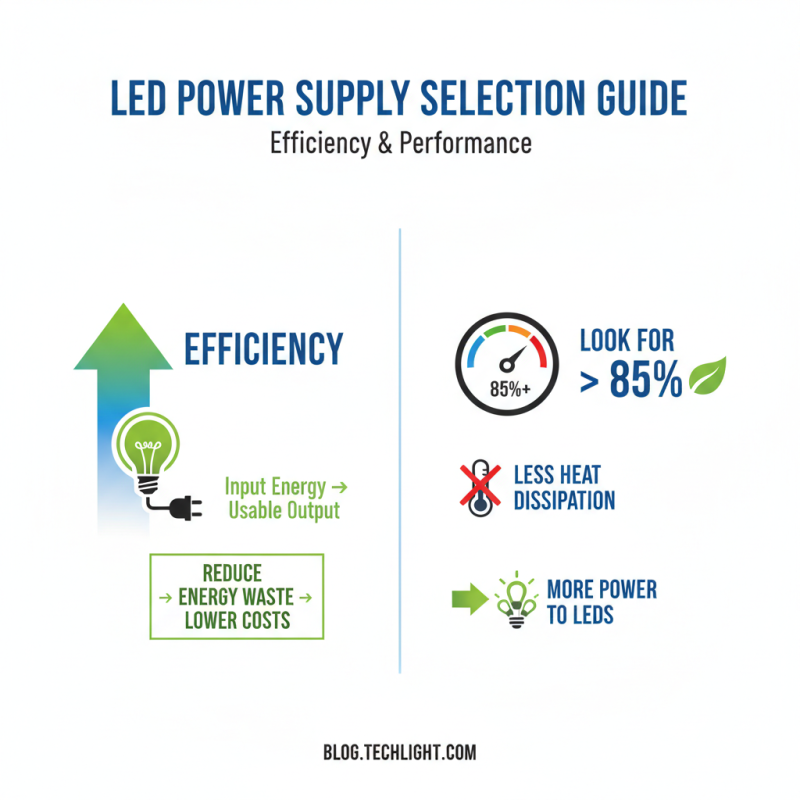
When selecting an LED power supply, efficiency and performance ratings are crucial. Efficiency denotes how well the power supply converts input energy into usable output. A unit with high efficiency reduces energy waste and can lower electricity costs over time. Look for models that boast efficiencies above 85%. This ensures more energy is delivered to your LED lights rather than dissipated as heat.
Performance ratings are equally important. They often reflect how well a power supply can handle varying loads. A reliable unit should maintain consistent performance under different conditions. Pay attention to the load capacity listed by manufacturers. Users often overlook this, leading to underperformance when the power supply is pushed beyond its limits. A unit that cannot manage fluctuations might flicker or fail prematurely.
Compatibility is another detail to consider. Not all power supplies suit every LED application. Check the voltage and current specifications of your LED lights. Mismatched specifications result in inefficiencies or even damage. It’s a common oversight that can lead to frustration. Think critically about every aspect to ensure a well-functioning setup.
Analyzing Environmental Conditions and Usage
When choosing the right LED power supply, environmental conditions play a crucial role. For indoor applications, typical room temperatures are manageable. However, extreme heat or cold can significantly affect performance and lifespan. If your LED lights will be installed outdoors, consider exposure to moisture and dust. Look for power supplies specifically rated for these conditions.
Usage patterns should also influence your decision. If the lights will be used intermittently, a more robust power supply might be necessary to handle surges. Constant usage requires efficiency and durability. Compatibility with dimmers is essential if you want adjustable lighting. Sometimes, power supplies can struggle under varying loads. It’s helpful to research and gather feedback from users in similar situations. Testing different options may reveal unexpected results.
Think about aesthetics, too. A bulky power supply can detract from an elegant setup. Space constraints should not be overlooked when installing. Additionally, reviewing certifications can ensure safety standards are met. Remember, it's okay if the initial choice isn't perfect; evaluating performance over time can lead to adjustments.
Budgeting for Quality and Reliability in Power Supplies
When selecting an LED power supply, budgeting for quality and reliability is paramount. Industry reports indicate that approximately 30% of all power supply failures stem from poor component quality. Investing in a reliable power supply can save on replacement costs and improve system longevity.
Consider the power supply's efficiency ratings. Reports show that high-efficiency units can reduce energy consumption by 20% or more. This not only lowers operational costs but can also enhance the overall performance of your LED lighting system. Look for power supplies that meet or exceed industry standards for quality.
Tips: Always opt for a slightly over-rated power supply to account for unexpected loads. This ensures stable performance. Check for certifications like UL and CE, which guarantee safety and reliability. Remember, cheaper options can lead to higher long-term expenses, especially in commercial applications.
FAQS
: Regular exercise improves physical health. It boosts mood and energy levels. It helps maintain a healthy weight too.
Setting achievable goals can help. Finding a workout buddy may increase accountability. Enjoying the activity also makes a difference.
Walking and jogging are great starts. Bodyweight exercises like push-ups and squats can build strength. Flexibility exercises are also important.
Aim for at least 150 minutes of moderate aerobic activity. Strength training twice a week is ideal. Listen to your body’s needs.
Yes, over-exercising can lead to injuries. It may cause burnout or fatigue. Balancing rest days is crucial for recovery.
Don’t stress too much. Just get back to your routine. Consistency matters more than perfection in fitness journeys.
Nutrition plays a significant role. Eating well fuels workouts and recovery. It’s best to focus on whole foods and avoid processed items.
Absolutely, exercise can reduce anxiety. It can also improve overall mood. Small changes can lead to big impacts on mental well-being.
Basic equipment includes weights, a yoga mat, and resistance bands. You can also use household items for creative workouts.
No, getting fit can happen at home or outdoors. Many effective exercises don't require a gym. Explore different options that suit you.
Conclusion
Choosing the right LED power supply is crucial for ensuring the optimal performance and longevity of your LED installations. The article begins by covering the basics of LED power supplies, highlighting their importance in providing the necessary voltage and current to LED systems. It emphasizes understanding your specific LED power requirements, which involves identifying the wattage and voltage needed to operate your LEDs efficiently.
As you evaluate different types of LED power supplies, consider their efficiency and performance ratings to ensure they meet your operational needs while minimizing energy consumption. Environmental conditions, such as temperature and humidity, play a significant role in selecting an appropriate power supply. Lastly, budgeting for quality and reliability is essential, as investing in a dependable LED power supply can enhance both the performance and lifespan of your LED lighting solutions.