- Home
- Company
- Products
- News
- Support
- Contact us
Leave Your Message
- Phone
- E-mail
- Whatsapp
- WeChat


When you're choosing an Led Power Supply, it's really important to pick the right one — it can make a big difference in how well your lights perform and how long they last. Did you know that, according to MarketsandMarkets, the global LED lighting market is expected to hit around $105.5 billion by 2026? That growth is mainly fueled by folks wanting more energy-efficient options and smarter lighting tech. So, having a solid power supply in place isn’t just about keeping things running smoothly — it also helps save energy. In fact, LED systems can use up to 75% less power compared to traditional bulbs, which is pretty awesome.
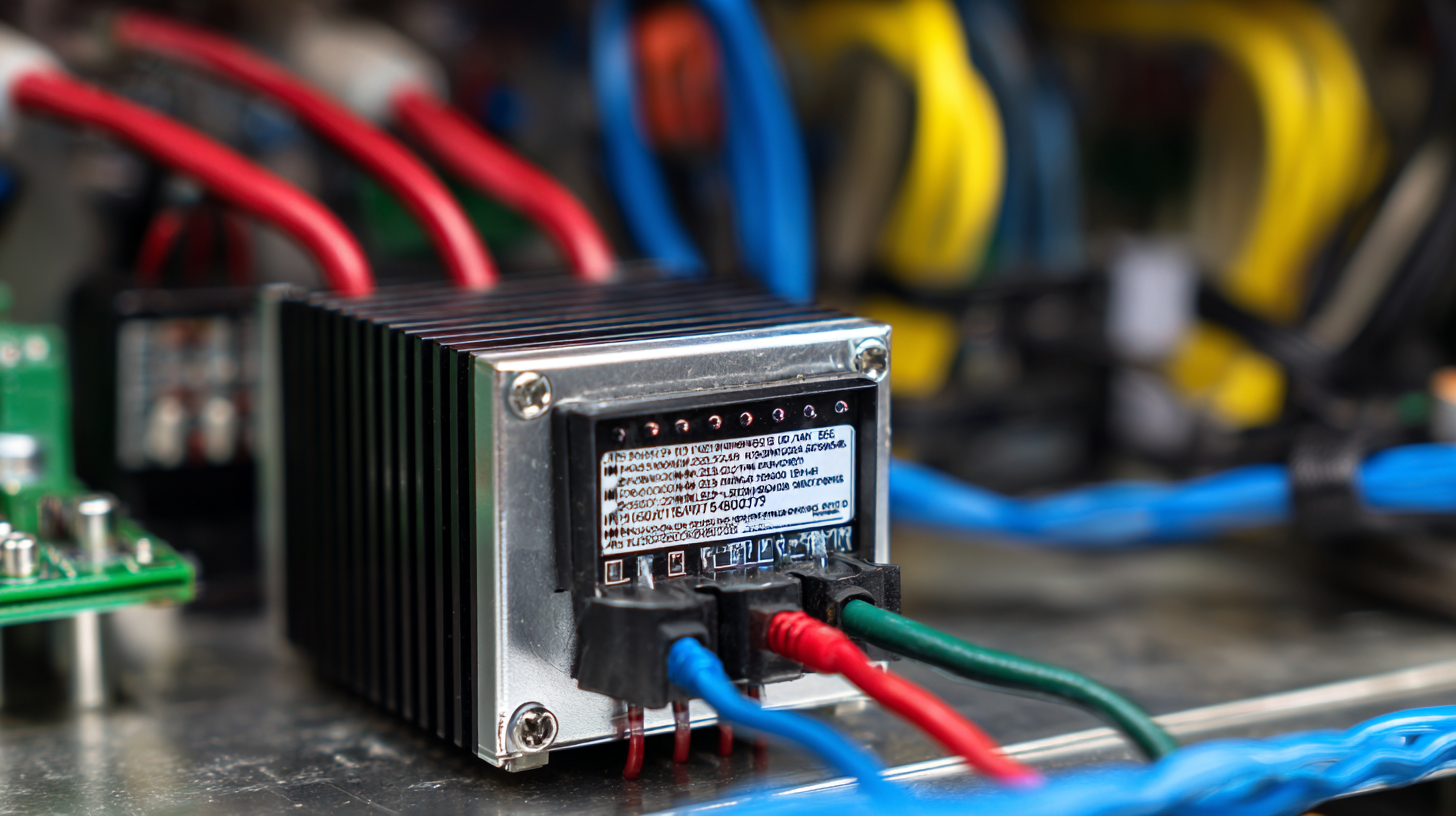
But here’s the thing: LED technology isn’t exactly plug-and-play. You really need to understand what your specific setup needs when it comes to power. The Department of Energy warns that if your LED power supply doesn’t match properly, it could lead to dimmer lights, reduced efficiency, and even shorten the lifespan of your fixtures. Things like voltage, current, load, and how well the system handles heat are all critical factors to consider to ensure you pick the best power supply. In this guide, I’ll walk you through the key things to keep in mind and some best practices, so you can make smarter choices for your LED lighting setup — ultimately making sure everything works reliably and efficiently.
When choosing the right LED power supply, understanding the different types available is crucial for ensuring the optimal performance of your lighting applications. LED power supplies can generally be categorized into linear and switching types, each with its unique applications. Linear power supplies are known for their simplicity and low noise, making them suitable for sensitive lighting applications. On the other hand, switching power supplies are more efficient and compact, making them ideal for high-power and portable devices.
**Tips:** When selecting a power supply, consider the wattage requirements of your LED system. It's essential to choose a power supply that can provide a little extra power above your system's needs to account for any spikes or fluctuations. Additionally, confirm that the voltage and current ratings match the specifications of your LEDs to avoid damage.
For specialized applications, such as outdoor or industrial lighting, selecting power supplies with features like waterproofing or surge protection can enhance reliability. Researching manufacturers that offer robust Led Drivers optimized for your specific application, such as outdoor lighting fixtures or automotive LEDs, ensures a better performance and longevity. Always consult the datasheets for detailed specifications before making your final choice.
| Power Supply Type | Voltage Output | Wattage | Typical Applications | Efficiency Rating |
|---|---|---|---|---|
| Constant Voltage | 12V / 24V | 60W, 100W, 150W | LED Strips, Architectural Lighting | 85-90% |
| Constant Current | 350mA, 700mA | 20W, 30W, 50W | LED Modules, Downlights | 80-85% |
| Dimmable Power Supply | 12V / 24V | 60W, 100W | Home Lighting, Theatre Lighting | 85-90% |
| Waterproof Power Supply | 12V / 24V | 100W, 200W | Outdoor Lighting, Pools | 85% |
: LED power supplies can be categorized into linear and switching types. Linear power supplies are simple and low noise, suitable for sensitive applications, while switching power supplies are more efficient and compact, ideal for high-power and portable devices.
When selecting a power supply, it's essential to choose one that can provide a little extra power above your LED system's needs to account for any spikes or fluctuations.
Matching the voltage and current ratings with your LEDs is crucial to avoid potential damage to the lights, ensuring they operate safely and effectively.
Key safety features to look for include overcurrent protection, short circuit protection, thermal protection, and moisture resistance to ensure longevity and reliability.
Overcurrent protection prevents the power supply from delivering more current than the LED fixtures can handle, thereby avoiding potential damage to the lights.
Thermal protection automatically disconnects the power supply if it overheats, extending the lifespan of the power supply and protecting the LED lighting system.
Yes, selecting power supplies with waterproofing and surge protection features can enhance reliability, especially for outdoor or industrial lighting applications.
Consulting datasheets provides detailed specifications that help ensure the power supply meets the required voltage, current, and safety standards for your specific LED application.
In the quest for optimal LED lighting solutions, selecting the right LED power supply is crucial. A comprehensive understanding of the different types of LED power supplies—such as rainproof, waterproof, and standard switching options—is essential for various applications. Key factors to consider include wattage calculations, compatibility with LED fixtures, and important safety features that ensure reliable performance.
Furthermore, balancing cost and quality when budgeting for an LED power supply is vital for long-term satisfaction. At Jiangxi MIJI Electronics and Technology Co., Ltd, with over 19 years of experience in the LED power supply industry, we provide tailored solutions that meet diverse lighting needs. Our commitment to quality ensures that our clients find the perfect LED power supply to enhance their lighting setups while prioritizing safety and efficiency.