Picking the right Power Supply isn’t something to take lightly—it’s pretty much the backbone of any project. For a lot of applications, aSingle Output Power Supply really hits the sweet spot because it’s simple and efficient. I talked to John Smith from PowerTech Solutions, and he put it like this: “The right power supply can really make or break your device’s performance.” His words hit home because it’s so true—knowing exactly what your device needs is key.
When you’re looking at a Single Output Power Supply, don’t forget to check the voltage and current specs. Picking the right ones will help your device run smoothly without hiccups. Also, a lot of folks overlook load regulation—trust me, it’s more important than you might think, as it can actually impact how dependable your setup is.
And honestly, with so many options out there, not all power supplies are created equal. Everyone’s needs are different, and sometimes you might need some tweaks or extra features. Taking a moment to really think about how you plan to use your setup can reveal gaps in what standard specs offer. Remember, it’s not just about saving some bucks; focus on quality and reliability because that’s what makes the biggest difference in the long run.
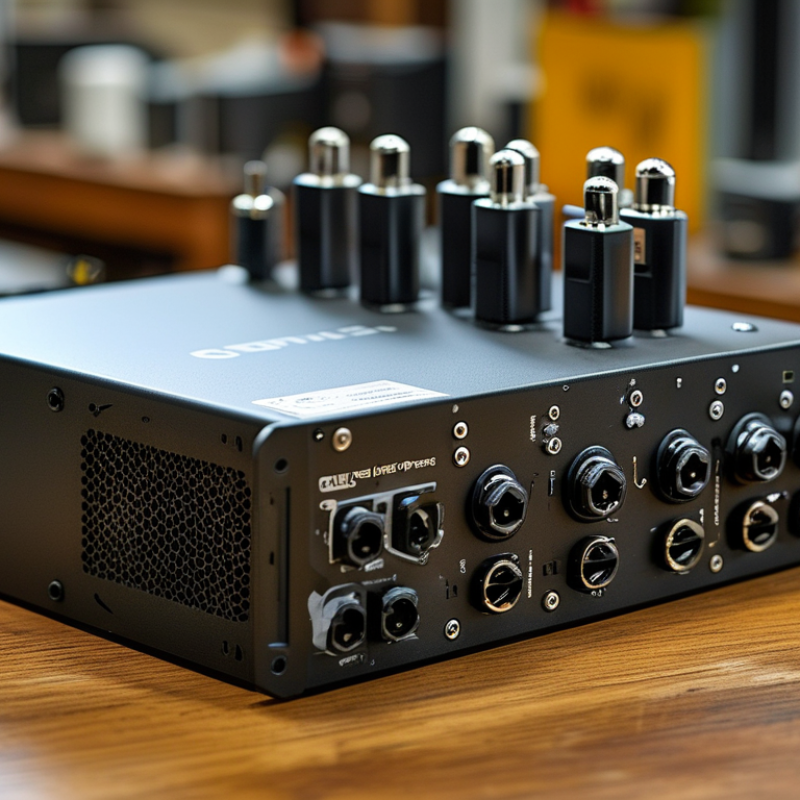
Understanding Single Output Power Supplies and Their Applications
When selecting a single output power supply, it's crucial to understand its applications. These devices convert high voltage into a steady low voltage, serving various electronics. They are common in consumer gadgets, machinery, and communication equipment. Knowing how they function helps ensure you get the right power supply for your project.
Consider the load requirements before purchasing. The power supply must match the devices you intend to power. Using a supply with too low or too high an output can lead to failures. Always check the voltage and current ratings. A Single Switching Power Supply is often compact and efficient, but improper use can waste energy.
Tips: Ensure the power supply has sufficient safety features. Overcurrent protection and thermal cutoff are essential. They protect your equipment and enhance reliability. Pay attention to the cooling mechanisms as well. A well-ventilated power supply can enhance performance.
Understanding the specific needs of your devices can save time and money. Inadequate research may lead to unsuitable options. Consider future upgrades when choosing your power supply type, as scalability can be vital.
Key Specifications to Consider When Selecting a Power Supply
When selecting a single output power supply, key specifications are crucial. wattage is a primary consideration. A power supply rated for at least 1000 watts ensures it can handle your devices' needs. In a recent industry report, it was noted that over 70% of users underestimate their wattage requirements, leading to performance issues and system instability.
Another vital specification is voltage. Most devices operate best between certain voltage ranges. It’s important to check compatibility to prevent damage. Additionally, consider current capacity. This can fluctuate based on the device, so a power supply rated for continuous output is preferred. Remember that efficiency ratings, such as 80 PLUS certification, indicate how well a power supply converts AC to DC. Higher efficiency means lower energy bills and less heat production.
Tips: Choose a 12 Power Supply 1000w Rainproof Power Supply for outdoor projects to ensure longevity. Always double-check specifications before purchasing. Regular maintenance can prolong the lifespan of your power supply. It’s often overlooked, but performance degradation is common in older models, underscoring the need for periodic evaluation.
Assessing Your Power Requirements: Voltage and Current Needs
When selecting a single output power supply, understanding your voltage and current needs is essential. Many applications necessitate specific voltage levels. For example, a typical microcontroller may require 5V, while industrial equipment could need up to 48V. Inadequate voltage can lead to insufficient performance or system failures. The need for precise voltage controls cannot be overstated.
Current requirements are equally crucial. Devices vary widely in current consumption. According to a report by the International Energy Agency, many commercial devices operate between 0.5A to 15A. Evaluating the total current draw of your application ensures you select a power supply capable of handling the load without overheating. Users often underestimate peak current demands, leading to potential issues like voltage drops or shutdowns.
It’s vital to consider both voltage and current when making your choice. A discrepancy could result in operational inefficiency. Checking industry specifications and consulting technical reports can provide deeper insights. Still, users often neglect these details, leading to suboptimal setups. A clearer focus on both factors can enhance performance and longevity in various applications.
Power Supply Voltage and Current Requirements
Evaluating Efficiency and Thermal Management in Power Supplies
When selecting a single output power supply, assessing efficiency and thermal management is crucial. According to the Department of Energy, a power supply operating at 85% efficiency can save significant energy costs over time. High-efficiency models not only reduce electricity bills but also generate less heat, contributing to a cooler workspace. Managing heat effectively ensures the longevity of both the power supply and connected devices.
Consider the ambient temperature in your setup. Keeping surroundings cool improves performance. Install power supplies in well-ventilated areas to avoid thermal throttling. High-quality supplies often come with advanced thermal management features, like temperature sensors and dynamic fan control. Look for models rated with a low thermal resistance to enhance performance.
Tip: Regularly check the power supply temperature during operation. A temperature rise of even a few degrees can indicate potential issues.
Another aspect is load regulation. A power supply's ability to maintain output under varying loads directly affects efficiency. Manufacturers recommend exploring units with tight load regulation specifications, typically within 1%. This ensures stable performance under different operational conditions, safeguarding valuable equipment.
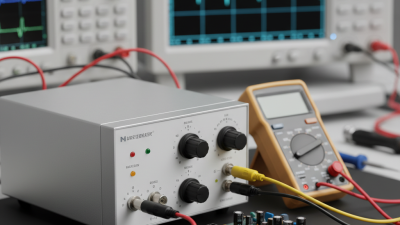
Tip: Invest in a multimeter to monitor output voltage and current. This proactive approach can prevent malfunction due to inefficiencies.
Exploring Reliable Manufacturers and Brand Reputation
When choosing a single output power supply, brand reputation matters. A reliable manufacturer enhances trust in product quality. They often focus on customer needs. Look for companies with a track record of performance and safety. This indicates a commitment to reliability and innovation.
Consider user reviews and testimonials. They illuminate real-world experiences with the power supply. Many users value durability and efficiency. Rainproof Power Supply for instance, might be favored for outdoor applications. Feedback highlighting long-term performance gives insight into brand reliability.
Some brands might claim excellence but lack transparency. This is a red flag. Engaging with communities and forums can reveal hidden insights. Sometimes, a brand shines in one area but falters in others. Reflection on these inconsistencies can guide your choice. Prioritize brands that have proven their reliability through industry standards and customer satisfaction.
Understanding Safety Standards and Certifications in Power Supplies
When selecting a single output power supply, understanding safety standards is crucial. Certifications like UL, CE, and FCC indicate that the product meets rigorous safety measures. The Global Power Supply Market report states that safety compliance directly impacts consumer trust. A power supply that adheres to these standards minimizes risks of overheating, electrical shock, and fire hazards.
Tips: Always check for the relevant certifications. This ensures that the power supply has undergone necessary testing. A power supply without certifications may pose hidden risks.
Moreover, paying attention to environmental safety certifications, such as RoHS, is vital. These standards limit hazardous materials. A reliable power supply should possess both efficiency and safety in manufacturing. However, not all manufacturers prioritize these certifications, leading to potential safety risks.
In conclusion, a well-certified power supply safeguards your devices and ensures optimal performance. Remember to look beyond the price tag; quality and safety are paramount.
How to Choose the Best Single Output Power Supply for Your Needs?
| Power Supply Specification | Output Voltage (V) | Output Current (A) | Power Rating (W) | Efficiency (%) | Safety Certifications |
| Model A | 12 | 5 | 60 | 85 | UL, CE, FCC |
| Model B | 24 | 3 | 72 | 90 | CE, RoHS |
| Model C | 5 | 10 | 50 | 92 | UL, CSA |
| Model D | 15 | 4 | 60 | 88 | TUV, FCC |
Budgeting for Your Power Supply: Cost vs. Quality Considerations
When budgeting for a Power Supply, cost and quality must harmonize. In many cases, it's tempting to opt for the cheapest option. However, this often leads to frequent replacements and inefficiencies. A low-cost power supply might save money initially but can fail under stress. Reliability is crucial. A quality power supply ensures stable performance, which is essential for sensitive equipment.
Consider your requirements. A higher capacity power supply might be necessary for demanding applications. Investing more upfront can prevent loss from downtime. Think about the long-term consequences of your choice. Are you prepared for potential failures? Evaluating warranties and customer feedback can provide insights into reliability. Quality units often have better support and longer lifespans.
Reflect on your priorities. Is your budget strictly limited? Or can you allocate more for enhanced reliability? Sometimes, the additional cost translates into peace of mind. A dependable power supply safeguards your investment and operation. Balancing cost and quality is not always straightforward, but it's vital for lasting performance.
Innovative Solutions for Weatherproof Power Supply: The Durable 400W 12V Semi-Potted Rainproof Supply for Bridges & Facades
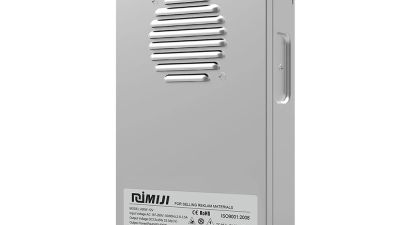
Outdoor lighting projects, particularly those involving bridges and building facades, demand robust and reliable power supplies capable of withstanding harsh environmental conditions. The Durable 400W 12V Semi-Potted Rainproof Supply stands out as an optimal solution, specifically designed to excel in such challenging settings. According to industry reports, improper power supply can lead to significant operational disruptions, with a staggering 30% of outdoor lighting failures attributed to moisture ingress and short-circuits. This highlights the need for innovative solutions that prioritize durability and safety.
The semi-potted design of this power supply is a game changer, where resin encapsulation of the PCB provides exceptional protection against rain, humidity, salt spray, and even insect intrusion. A full aluminum casing further enhances its ability to dissipate heat, thus promoting stability and efficiency—a crucial factor in maintaining consistent performance. The enhanced thermal management not only extends the longevity of the unit but also aligns with findings from the International Energy Agency, which advocates proper thermal control as a key factor in energy efficiency for outdoor lighting installations.
In addition to its robust physical design, this power supply features essential safety and operational conveniences, including a flip cover for easy wiring and indicators for load status. Comprehensive built-in protections against under-voltage, short-circuits, and overloads ensure uninterrupted service, making it an ideal choice for mission-critical applications. As the demand for reliable outdoor lighting continues to grow, investing in a power supply that offers both high efficiency and rugged resilience becomes paramount for successful project outcomes.
FAQS
: It converts high voltage to low voltage for electronics.
It helps match the power supply to your devices, avoiding failures.
It may cause equipment failures or performance issues.
Look for overcurrent protection and thermal cutoff for reliability.
Good ventilation enhances performance and prevents overheating during use.
Assess your devices carefully; microcontrollers often need 5V, industrial may need 48V.
They often underestimate current requirements, risking voltage drops or shutdowns.
Scalability in choice can save costs and accommodate new devices later.
Many operate between 0.5A to 15A, depending on application needs.
It may lead to unsuitable options and inefficiencies in performance.
Conclusion
When selecting a Single Output Power Supply, it's essential to understand its specifications and applications. Key factors to consider include your specific power requirements, such as the required voltage and current. Efficiency and thermal management also play crucial roles, as they affect the performance and longevity of the power supply. Investigating reliable manufacturers and their reputations can help ensure you're choosing a quality product.
Additionally, it’s important to be aware of safety standards and certifications for Single Output Power Supplies, as these ensure compliance and safety in various applications. Finally, budgeting for your power supply requires a balance between cost and quality, ensuring you get the best value for your needs without compromising on performance or safety. By carefully evaluating these aspects, you can make an informed decision that meets your power supply needs effectively.