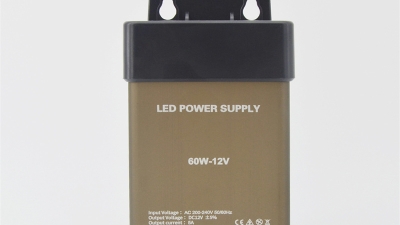
Choosing the right Power Supplyfor your Led Strip lights can actually be trickier than you'd think. With the LED lighting market set to hit around$160 billion by 2026, there's a huge demand for reliable and efficient power options. LEDs need specific kinds of power supplies to keep them working smoothly, last longer, and stay safe—especially if you're installing lights somewhere damp or exposed to the elements.
That’s where waterproof or rainproof power supplies come in handy. I’ve got to say, JIANGXI MIJI ELECTRONICS AND TECHNOLOGY CO., LTD, founded back in 2005, has really been leading the way in this industry—bringing over 19 years of experience and a wide range of products to the table. If you understand some of the common mistakes people make when picking out a power supply for LED strips, you'll be in a better spot to make smart choices. That way, you can improve your lighting setup and take advantage of MIJI’s expertise in top-quality power solutions.
Understanding LED Strip Light Power Requirements: Voltage and Wattage Explained
When you're trying to pick out the best power supply for your LED strip lights, one of the most important things to understand is the voltage and wattage they need. Most LED strips run on either 12V or 24V, so making sure your power supply matches that voltage is pretty crucial if you want everything to work smoothly. Using a power supply with the wrong voltage can lead to dim lighting, or worse, it could actually damage your LEDs. So, before you go ahead and buy anything, double-check the voltage your specific LED strips require.
As for wattage, that’s what tells you how much power your LEDs are going to need in total. For example, per meter, LED strips usually run anywhere between about 4.8W up to 24W, depending on how dense or fancy your LEDs are. To figure out what size power supply you need, just multiply the number of meters you’re installing by the wattage per meter. And honestly, it’s a good idea to pick a power supply that's about 20% bigger than that total — just to be safe, especially if there are any power surges or if you want your setup to run reliably without any hiccups. Getting these power specs right is really the key to keeping your LED setup running smoothly and making sure it lasts for ages.
Types of Power Supplies: Comparing Switching and Linear Options for LED Strips
When it comes to powering LED strip lights, picking between switching and linear power supplies can really make a difference in how well they perform, how efficient they are, and how long they last. Most folks tend to lean toward switching power supplies because they're smaller and typically super efficient—like over 80-90%. According to a report from the Dept. of Energy, these switches convert AC to DC more efficiently thanks to high-frequency voltage changes. That means less heat and less wasted energy. That’s a big deal, especially when you're running long-term LED setups in homes or shops where energy savings and heat management really matter.
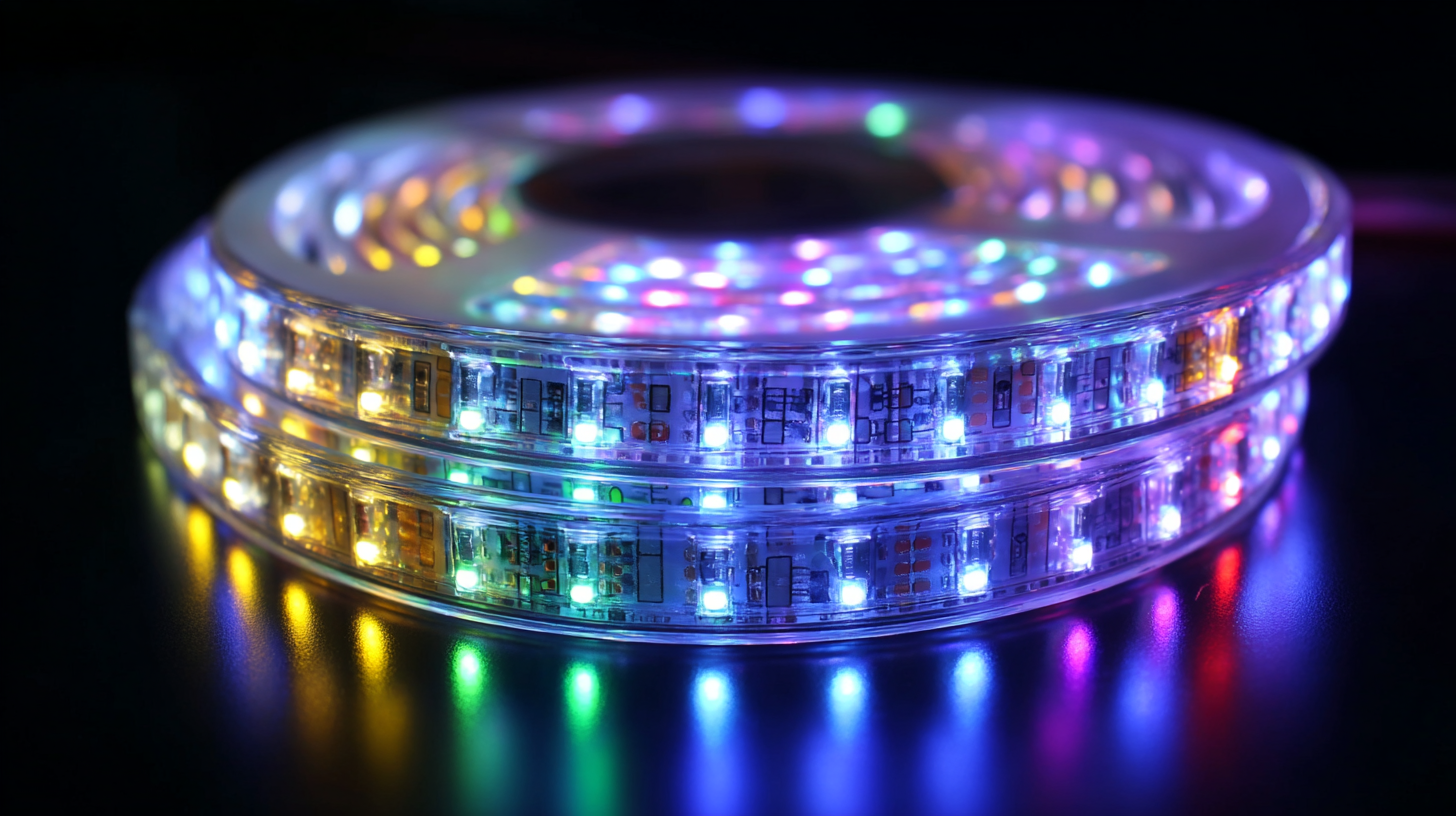
Now, on the flip side, linear power supplies are a bit more straightforward—they’re simpler design-wise and tend to produce cleaner, quieter power output, which is great if you’re working with sensitive electronics. But, they’re usually not as efficient, sitting around 60-70%. A study in the IEEE Journal pointed out that while linear supplies give you smoother voltage—perfect for critical components—they also need bigger heat sinks and generate a lot of heat. If you don’t handle that heat right, it can actually shorten the lifespan of your gear. So, choosing between these two really depends on what your LED project needs—whether you’re prioritizing efficiency, heat control, or more delicate performance.
Calculating Power Supply Needs: How to Determine Total Wattage for Your Setup
When you’re setting up those LED strip lights, it’s pretty important to figure out what kind of power supply you’ll need — it makes a big difference in how well everything works. So, the first thing you wanna do is measure how long your strip is. Most LED strips will tell you how much power they use per meter or foot, so just multiply that number by the total length of your strips. For example, if you’ve got a 10-meter strip that uses about 10 watts per meter, then you’re looking at a total consumption of around 100 watts.
But hey, don’t forget to think about any extra stuff you might add, like connectors, controllers, or dimmers — these can also draw some juice. It’s always a good move to add about 20% on top of your total wattage calculation just to be safe. That way, your power supply isn’t working at full capacity all the time and you’ve got room for any future upgrades or extensions. So, in that same example, you'd wanna pick a power supply that can handle at least 120 watts. Doing this kind of quick math helps prevent annoying flickering or, worse, blowing out your setup. Plus, it helps keep your LED strips happy and lasting longer, mainly because you’re avoiding overheating or overloading the power source.
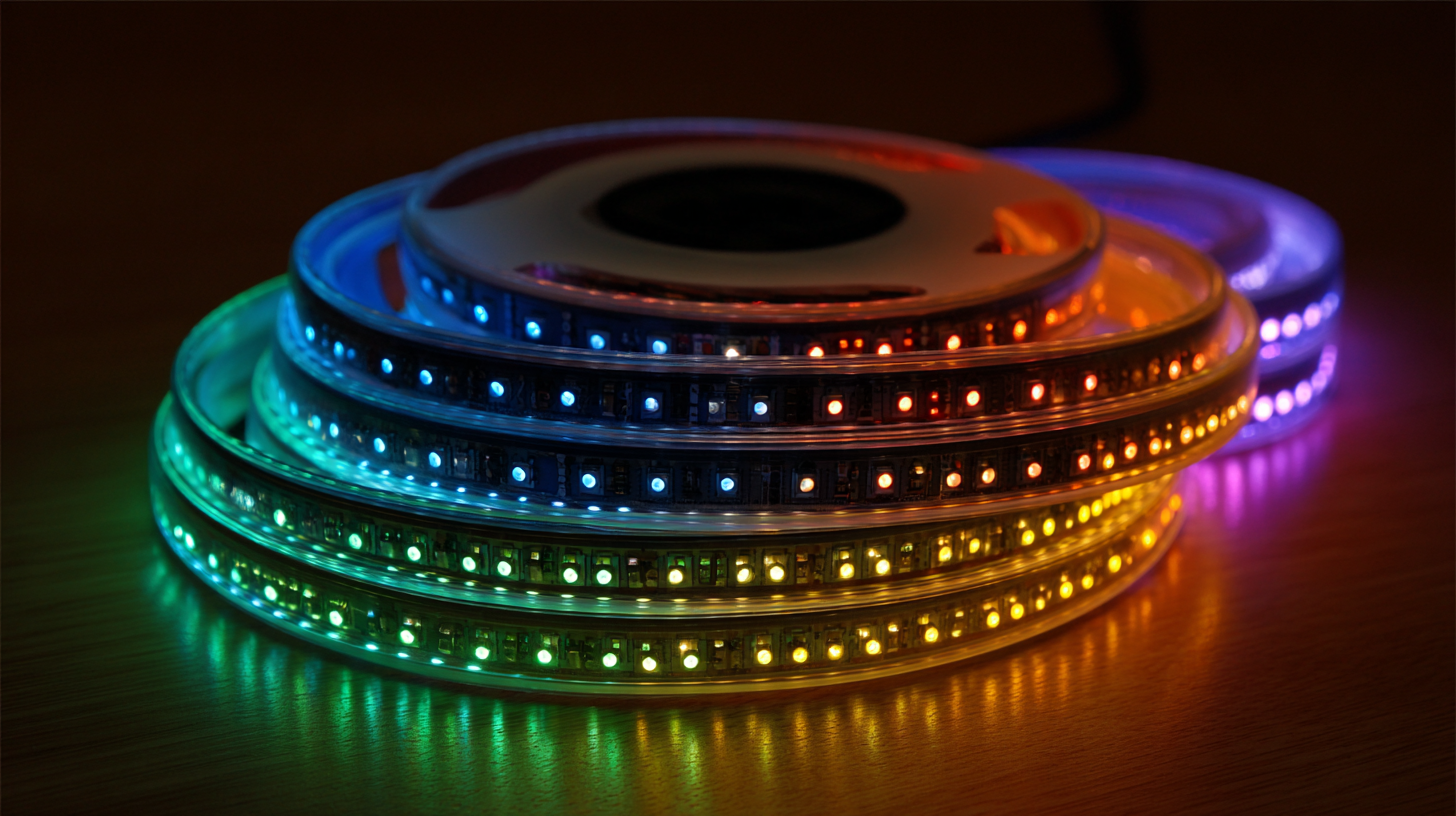
Key Features to Look for in a Power Supply: Efficiency, Safety, and Regulation
When you're picking out a power supply for your LED strip lights, one of the big things to keep in mind is efficiency. Honestly, some reports show that high-efficiency power supplies can trim energy use by up to 20%. That’s awesome because it means your electricity bills won’t skyrocket, and it’s a smaller hit on the environment too — less energy waste means fewer emissions. You’ll often see labels like Energy Star or 80 PLUS on these supplies; they’re pretty solid indicators that the power supply is operating efficiently across different loads.
Safety’s another huge deal, of course. According to the folks at the National Electrical Manufacturers Association (NEMA), choosing power supplies with safety certifications like UL or CE can really cut down on electrical risks. These certifications basically say, ‘Hey, this device has been tested and is safe to run within certain voltage and current limits.’ You definitely want to double-check these safety features because not only do they protect your gear, but they also help your LED setup last longer and run smoothly.
And don’t forget about regulation. A good, well-regulated power supply keeps the voltage steady — no annoying flickering and less stress on your LED strips. Studies show that having a stabilized output can actually boost LED efficiency by up to 30%. So, investing in a reliable power supply isn’t just about safety or saving energy; it’s about making sure your lights look great and last a long time. Trust me, it’s worth the little extra effort to get these details right.
Common Installation Challenges: Tips for Wiring and Connecting Power Supplies to LED Strips
When you're setting up LED strip lights, one of the trickiest parts can really be wiring everything up and making sure your power supply is wired properly. It’s super important to match your power supply to the strips — trust me, getting this right makes all the difference. First off, double-check the voltage of your LED strips; they’re usually 12V or 24V. Using a power supply with the right voltage not only keeps your lights working smoothly but also helps prevent any damage.
Another common headache is making sure all your connections are tight and secure. To keep things reliable, I recommend using good quality connectors made for LED lighting. If you’re into soldering, just make sure your skills are up to scratch so you don’t end up with shaky joints. Also, be careful not to bend or twist the strips too much — that can mess with their performance. It helps to plan your layout so the strips stay flexible but don’t get overstressed.
And don’t forget to check the total wattage your setup will draw. It’s always smart to pick a power supply that’s able to handle at least 20% more wattage than you think you'll need. That little extra buffer can really save you from overloads and makes your LED system last longer. All in all, a bit of planning and some quality components will make your install much smoother — and you can sit back and enjoy your awesome lighting without worries.
Power Supply Efficiency for LED Strip Lights
Long-Term Considerations: Choosing a Power Supply for Longevity and Performance
When you're choosing a power supply for your LED strip lights, thinking about the long-term stuff is really important if you want them to last and work well. I’ve read from the LED Industry Association that using a good quality power supply can actually boost the lifespan of your LEDs by up to half. That’s mainly because a solid power supply keeps the voltage steady, which prevents those annoying flickers or overheating that can kill your LEDs too soon. Basically, your power supply should handle the wattage of your LED strips—plus, it’s a smart idea to get one with about 20% extra capacity just to play it safe and avoid stressing the system.
Oh, and don’t forget about efficiency! Recently, the U.S. Department of Energy pointed out that power supplies that run over 90% efficient help cut down on energy waste and keep things cooler. That means your LEDs won’t burn out so quickly, and you'll save some bucks on your electricity bill in the long run. Also, look out for features like overvoltage protection and thermal shutdown—that stuff just adds another layer of safety, preventing surges or overheating from causing trouble. If you keep these points in mind, you'll be making smarter choices that lead to more sustainable, reliable lighting setup overall.
Enhancing Outdoor Lighting Efficiency: Insights from the Latest Market Research on 12V 5.0A 60W LED Rainproof Power Supplies
Outdoor lighting efficiency is a critical component of urban planning and infrastructure development. Recent market research highlights the growing demand for reliable and efficient power supplies in outdoor LED applications, particularly in rain-prone areas. Among these solutions, the 12V 5.0A 60W LED rainproof power supplies stand out due to their robust specifications. These power supplies not only deliver a stable 12V output with a current capacity of 5A but also ensure optimal power management with a total output of 60W, making them ideal for various outdoor lighting needs.
The market trend indicates a shift towards energy-efficient lighting solutions, supported by enhanced technologies in power supply systems. A report from the International Energy Agency (IEA) estimates that LED lighting could reduce global energy consumption for street lighting by approximately 50% by 2030. Furthermore, the integration of rainproof features in power supplies addresses the challenges posed by adverse weather conditions, ensuring consistent performance in outdoor applications. The BIS and CE certifications for safety and reliability reinforce the importance of quality in power supply products, providing peace of mind for customers when installing lighting for signboards, lightboxes, and decorative displays.
With factory-direct pricing and a focus on durability, these rainproof power supplies represent a sound investment for businesses and municipalities looking to improve their outdoor lighting strategies. As the demand for efficient and sustainable lighting solutions grows, so too does the necessity for high-quality power supplies that can withstand the elements while supporting the vibrant outdoor displays that enhance our urban landscapes.
FAQS
: The main types of power supplies for LED strip lights are switching power supplies and linear power supplies.
Switching power supplies are favored due to their compact size and high efficiency, typically exceeding 80-90%, which helps in reducing heat generation and energy loss.
Linear power supplies provide a simpler design and deliver cleaner output with reduced electrical noise, making them suitable for sensitive applications.
Linear power supplies are generally less efficient, with efficiencies around 60-70%, compared to the higher efficiency of switching power supplies.
A quality power supply can enhance the lifespan of LED lights by up to 50% by maintaining a stable voltage output and preventing overheating.
It is recommended to have a buffer of about 20% above the total wattage needed for the LED strips to avoid stressing the system.
High-efficiency power supplies, operating at over 90% efficiency, significantly reduce energy consumption and heat output, which can lower energy bills over time.
Consumers should look for built-in protection features like overvoltage protection and thermal shutdown to ensure reliable performance and reduce risks of damage.
Fluctuations in voltage can lead to overheating and premature failure of LED lights, which is why a stable voltage output from the power supply is important.
When choosing a power supply, one should prioritize efficiency, voltage stability, built-in protections, and matching power requirements to ensure optimal performance and longevity.