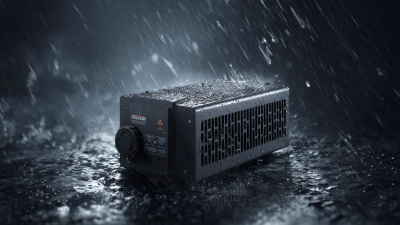
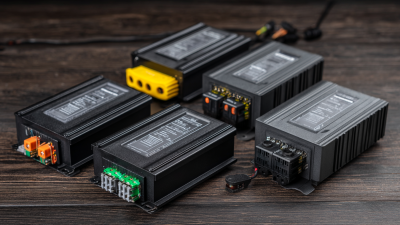
In today’s fast-moving tech world, picking the right SMPS Power Supply for your business isn’t just a detail—it’s actually pretty important. It can make all the difference in keeping things running smoothly and making sure your electronics last longer. Honestly, with so many options out there, figuring out what’s best for your specific needs can feel kinda overwhelming. We’ve been in the LED power supply game since 2005, and at Jiangxi Miji Electronics and Technology Co., Ltd., we bring over 19 years of know-how to the table. Our product lineup includes everything from rainproof power supplies and waterproof LED drivers to standard switching power supplies. This blog is here to help you sort through the key things to consider when choosing a power supply, so you can make a smart, confident decision that lines up with your business goals.
Understanding SMPS: Definition and Key Features
Switch-Mode Power Supplies, or SMPS for short, are pretty much a staple in today's electronic devices. They do a great job at converting power efficiently while keeping energy losses pretty low. Unlike the old-school linear power supplies, SMPS works by switching at high frequencies to control voltage and current—kind of like flicking a switch really fast. That’s why they’re often smaller and lighter, which is a huge bonus if you’re trying to save space or reduce weight. Not only do they perform better, but they’re also more reliable since they generate less heat—something that’s especially important in industrial settings.
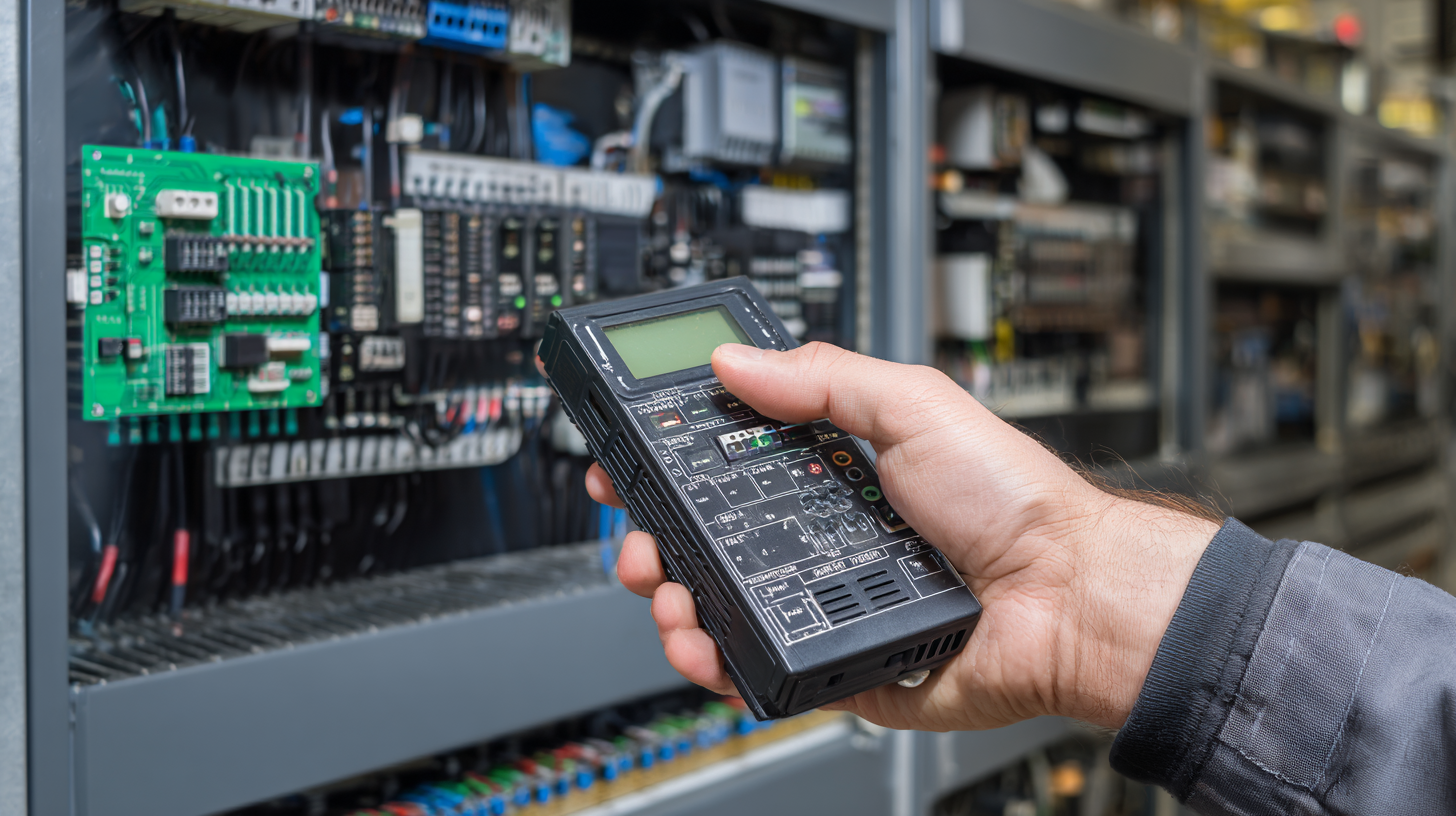
One of the cool things about SMPS is how flexible they are—able to handle a wide range of input voltages and still give a steady output, even if the incoming power dips or spikes. Plus, most of them come with built-in protections against overloads, surges, and short circuits. That means they’re pretty safe and last longer, which is always a plus. Many models also have smart designs that help them work well in different environments, making them pretty versatile for all sorts of industries. Whether you're into computing, telecoms, or manufacturing, getting a good handle on these features helps you pick the right SMPS for your needs. Honestly, once you understand how they tick, it’s easier to see why they’re such a go-to choice these days.
Types of SMPS: Exploring Different Categories and Applications
When you're picking an SMPS (that's a switched-mode power supply, by the way) for your business, it's really helpful to get a handle on the different types out there and what they're mainly used for. You've got your common categories like AC-DC converters, DC-DC converters, and even integrated SMPS solutions. Funny thing is, according to HPAC Engineering, the worldwide market for SMPS is expected to hit around 36.7 billion dollars by 2025 — pretty crazy! This surge is mostly fueled by higher demand in areas like telecom, IT, and consumer gadgets.
Each type of SMPS plays a pretty specific role. For example, AC-DC converters are what you’d typically see in devices that plug straight into the mains, while DC-DC converters are a must-have for battery-powered gear. Plus, integrated solutions are becoming super popular in smaller, space-saving devices because they’re more efficient and compact. A recent report from Markets and Markets also pointed out that modern SMPS units are getting way better — we're talking over 90% efficiency now, which is a big win for businesses trying to cut down on energy costs.
Quick tip: When you're choosing an SMPS, don’t forget to think about the load it needs to handle and the conditions it’ll be working in. Also, cooling isn’t something to overlook — if the thermal management isn’t up to par, your system could fail prematurely. And honestly, picking the right size of SMPS not only helps you save energy but also makes your equipment more reliable in the long run. Bottom line: it’s worth taking the time to choose wisely.
Factors to Consider When Choosing an SMPS for Your Business
When you're picking out the right Switched-Mode Power Supply (SMPS) for your business, there are a few key things you really gotta keep in mind to make sure things run smoothly and efficiently. First off, you wanna look at how much power your equipment actually needs. Funny thing is, recent reports show that more than 60% of businesses run into issues because their power supplies don’t match up properly—leading to broken gear and higher costs. So, it’s super important to figure out how many watts your setup requires in total. And hey, it's a smart move to get a power supply that can handle peak loads—ideally about 20% more than your current needs—to cover future growth or any unexpected spikes.
Another big deal is the efficiency rating of the SMPS. The more efficient ones tend to run cooler and use less energy, which means you save money on electricity. I’ve seen reports from Energy Star that say upgrading to high-efficiency power supplies can cut energy bills by up to 30% each year. When you’re shopping around, try to find units that meet or surpass the 80 PLUS certification—that’s how you know they’re doing a good job at being energy-efficient at various loads.
**Tip:** Don’t forget to check how well the power supply manages heat. A decent quality SMPS should have good cooling features to avoid overheating, which helps it last longer and stay reliable.
**Tip:** Also, think about the size and fit. If space is tight, a smaller unit could be a lifesaver, but make sure all the connectors and voltage levels match your existing gear—that way you avoid any tricky installation surprises.
Assessing Power Requirements: Finding the Right Wattage
Picking the right wattage for your SMPS (that’s your switched-mode power supply, by the way) is a pretty important step if you want everything running smoothly in your business. So, where do you start? First off, you gotta figure out all the devices that'll be plugged in. Don’t just look at their wattage ratings; think about how much power they actually pull during their peaks—that’s the max usage, basically. Knowing this stuff is key because you want your power supply to handle both the usual load and those occasional spikes without risking overloads.
**Tip:** It’s a good idea to add a little safety margin to your total wattage. Something like at least 20% extra above your expected max load. This little buffer helps cover any surprise power surges and can help extend the life of your power supply, which is always a plus.
And don’t forget about efficiency! A power supply with a higher efficiency rating wastes less energy, which over time can save you some cash. Also, keep an eye on your environment—things like temperature and airflow matter a lot. They can affect how well your SMPS performs and how long it lasts.
**Tip:** Make it a habit to check how your power supply is doing over time. Using some monitoring tools—either software or hardware—can give you a clear picture of your usage. That way, you’ll know if you need to upgrade or tweak your system before anything goes wrong.
Ensuring Reliability: Quality Standards and Certifications for SMPS
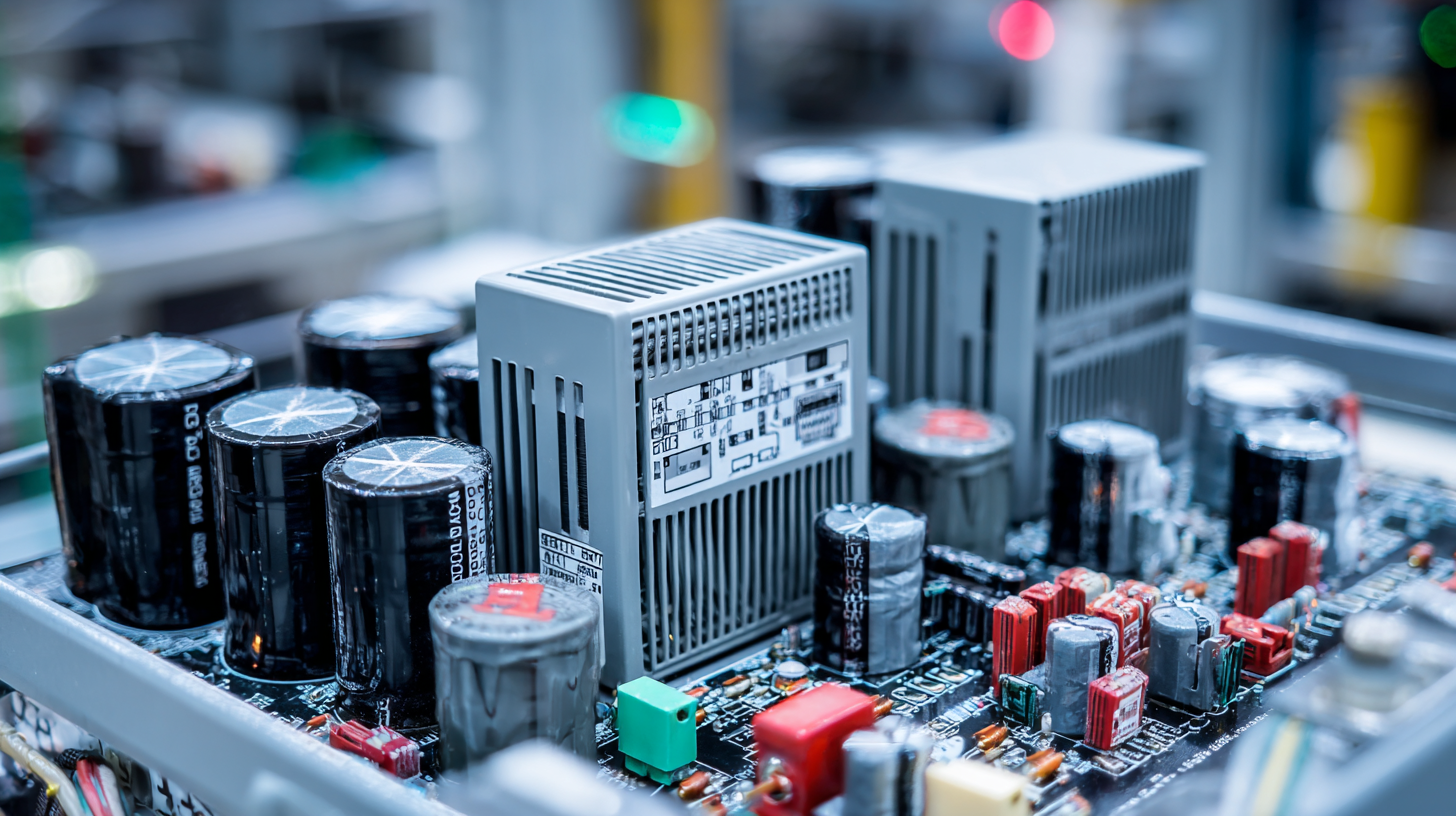
When you're picking out a Switching Mode Power Supply (SMPS) for your business, reliability really should be at the top of your list. It's super important to understand what kind of quality standards and certifications these power supplies meet. Stuff like ISO 9001 and IEC 60950 aren't just fancy labels—they show that the product has gone through some pretty tough testing and sticks to strict manufacturing rules. Going with a power supply that ticks these boxes not only makes sure it performs well but also keeps things safe, helping you avoid electrical failures that could throw a wrench into your operations.
Another thing to look at is the efficiency of the SMPS. Certifications like Energy Star or 80 PLUS are handy indicators—they give you a quick gist of how well the power supply converts electricity. The more efficient, the less energy gets wasted. That means lower energy bills and a smaller environmental footprint. Picking an SMPS with these recognized certifications isn’t just about reliability and safety; it’s also about running a smarter, greener business. It’s a win-win, really, blending good performance with a bit of responsibility toward the planet.
Cost vs. Performance: Budgeting for Your SMPS Needs
When you're choosing a Switching Mode Power Supply (SMPS) for your business, finding that sweet spot between cost and performance is super important. On one side, there are cheaper options that can help you save some cash upfront—no doubt. But, honestly, these budget-friendly models often sacrifice things like durability, efficiency, and overall performance. That might sound fine at first, but over time, it could end up costing you more because of higher energy bills or repairs. So, it’s worth thinking about how that small saving now could impact your business’s efficiency and expenses down the line.
On the flip side, going for a higher-quality SMPS usually means better reliability and efficiency. These units tend to handle tougher conditions and keep delivering steady power longer. While they might seem pricier at first, they can really pay off in the long run through fewer failures and lower energy costs. Plus, a good SMPS can actually boost your equipment’s performance, which means more productivity overall. Bottom line—when you’re budgeting for your power supply, it pays to weigh the initial expense against the potential savings and benefits you'll get later. It’s all about making sure your power setup supports your business goals without breaking the bank or causing headaches down the road.
How to Choose the Right SMPS Power Supply for Your Business Needs - Cost vs. Performance: Budgeting for Your SMPS Needs
| Specification | Low-End SMPS | Mid-Range SMPS | High-End SMPS |
| Output Power (W) | 300W | 600W | 1200W |
| Efficiency (%) | 80% | 85% | 90% |
| MTBF (Mean Time Between Failures) | 30,000 hours | 50,000 hours | 100,000 hours |
| Operating Temperature (°C) | 0 to 40 | -10 to 60 | -20 to 70 |
| Cost (USD) | $50 | $100 | $200 |
Maximize Your LED Display Performance with the Super Slim 100W 5V 20A Power Supply
Maximize Your LED Display Performance with the Super Slim 100W 5v 20a Power Supply
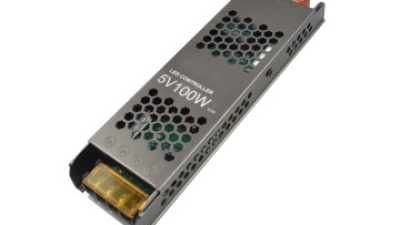
In a world where visual communication is key, maximizing the performance of LED displays is crucial. The Super Slim 100W 5V 20A Switching Power Supply is engineered precisely for this purpose, featuring an ultra-thin 28mm profile that allows for easy installation in even the most space-constrained environments. Its compact dimensions (180x50mm) make it an ideal choice for various applications such as storefront signage, bus and taxi vehicle displays, and compact MINI LED screens. This versatility is essential, especially as the global LED display market is projected to grow from $15.3 billion in 2020 to $30.5 billion by 2026, highlighting the increasing demand for innovative and space-efficient display solutions.
Constructed with premium components and subjected to rigorous testing, the Super Slim Power Supply ensures reliability and performance. Each unit undergoes a comprehensive 100% full-load aging test, resulting in a failure rate below 0.1%. This level of quality assurance is particularly important in applications where downtime can translate into significant revenue losses. Additionally, the power supply supports a 200-240V AC input, making it compatible with a wide range of setups across different geographic regions. To further enhance brand identity, OEM logo customization options are available, allowing businesses to align their power supply with their brand aesthetics.
In the competitive landscape of LED displays, choosing the right power supply can significantly influence the overall effectiveness and longevity of the display systems. With a focus on minimizing operational risks and enhancing performance, the Super Slim 100W 5V 20A Power Supply stands out as an essential component for any LED display application.
FAQS
: The main types of SMPS include AC-DC converters, DC-DC converters, and integrated SMPS solutions, each serving unique purposes based on specific applications.
Wattage is crucial as it determines whether the power supply can handle average and peak loads of connected devices without risking overload.
It is recommended to have at least a 20% headroom above your estimated maximum load to accommodate unexpected spikes in power usage.
A higher efficiency rating, ideally over 90%, is preferred as it reduces energy waste and can lead to cost savings in the long run.
You should assess the load requirements, cooling requirements, and the specific operational environment like temperature and airflow, as these can impact performance and longevity.
Regularly monitoring your power supply's output and load using specialized software or hardware tools can help track usage patterns and inform necessary upgrades or adjustments.
Lower-cost options may save money upfront but could compromise on performance and durability, potentially increasing operational costs over time compared to higher-quality units.
Higher-quality SMPS often provide better efficiency, reliability, and performance, which can lead to reduced failure rates, lower energy costs, and improved productivity over time.
Inadequate thermal management can lead to system failures, making it essential to assess cooling requirements when selecting an SMPS.
Specific operational conditions such as temperature and airflow affect both performance and the lifespan of the SMPS, impacting overall equipment reliability.
Conclusion
In today’s super competitive world, picking the right SMPS power supply really matters if you want your business to run smoothly and reliably. In this blog, I’ll walk you through what an SMPS is, its main features, and the different types and uses across various industries. Plus, I’ll cover some key things to keep in mind when you're trying to choose the right one. By figuring out exactly what your power needs are and making sure the product you pick meets quality standards and certifications, you can keep things running well without breaking the bank.
Here at Jiangxi MIJI Electronics and Technology Co., Ltd., we totally get how critical quality is—especially in the LED power supply world. With over 19 years of experience under our belt, we offer a wide range of products, including rainproof and waterproof LED power supplies, so you can find the perfect SMPS solution tailored to your specific business needs.