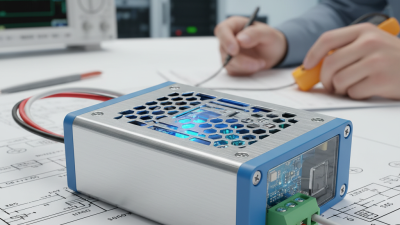
Picking the right LED switch Power Supply really matters if you want your LED lighting to perform well. I read somewhere—Mordor Intelligence, I think—that the global market for LED drivers is projected to hit around $10 billion by 2026. That just shows how much people are into energy-efficient lighting these days. But honestly, with so many options out there, it can be kinda overwhelming trying to find the perfect one.
LED switch power supplies come with all sorts of specs—voltage, wattage, efficiency—and finding the one that fits your setup can make a big difference. When you choose the right match, you'll probably see better energy savings and the LEDs last longer. I also came across a report from ResearchAndMarkets that pointed out how using the wrong power supply can tank performance and lead to constant replacements. So yeah, good selection really is key.
Just keep in mind, not all LED switch power supplies are created equal. Some might not meet safety standards or energy efficiency ratings, which is definitely something to watch out for. It’s worth sticking with trusted brands like Mean Well or RECOM to avoid headaches. Making sure you get the right specs isn’t just about saving a few bucks—it’s about making sure your lighting stays reliable and efficient in the long run.
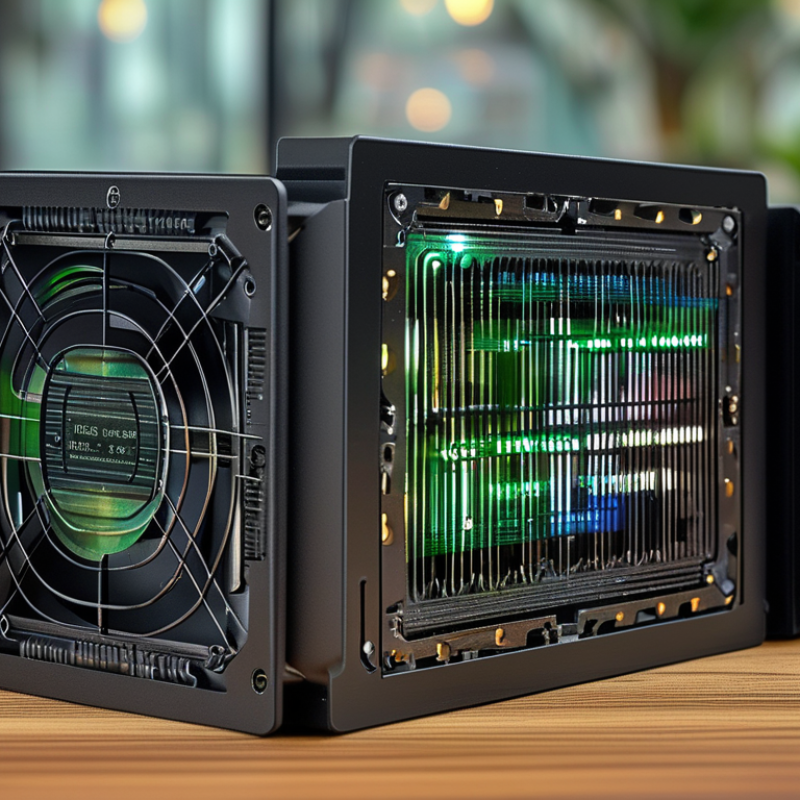
Understanding the Basics of LED Switch Power Supplies
When selecting an LED switch power supply, it's essential to grasp the fundamentals. The power supply converts AC voltage into DC voltage, which is vital for LED operation. Understanding voltage, current, and wattage is key. A mismatched power supply can result in flickering lights or even damage the LEDs. Look for specifications that match your LED requirements. A little research can save you from potential failures.
Consider efficiency and thermal management too. A reliable power supply should manage heat well, preventing overheating. Heat can shorten the life of your LEDs. Pay attention to the rated efficiency, typically expressed as a percentage. High efficiency means less wasted energy. Many power supplies may promise efficiency but fall short in real tests.
Investing time in learning the differences between constant voltage and constant current supplies is vital. Each type serves distinct purposes. A constant voltage supply works well for many standard applications. Yet, a constant current supply is better for certain Led Strips or modules. If unsure, reach out to experts or knowledgeable suppliers for guidance. Finding the right power supply is not just about cost; reliability and stability matter most.
Identifying Your Power Requirements for LED Lighting
Selecting the right LED switch power supply requires careful consideration of your specific power requirements. Start by determining the total wattage needed for your LED lights. This includes accounting for the number of fixtures and their wattage ratings. If you're unsure how to calculate wattage, consider using a wattage calculator. A common oversight is underestimating the power demand, which can lead to flickering lights or even power failure.
Next, assess the voltage requirements of your LED fixtures. Most LED setups operate on either 12V or 24V. A mismatch can result in damage or inefficient performance. If the specifications are unclear, check the manufacturer's guidelines or consult with a professional. Equally crucial is considering the environment where the power supply will be installed. Conditions such as temperature and humidity can affect performance.
Some users may overlook the importance of choosing a reliable manufacturer. A power supply from a reputable source often comes with safety certifications. However, it’s important to research. Not all products labeled as reliable are high quality. Reflecting on experiences can help you avoid common pitfalls. Taking the time to identify your needs leads to better lighting solutions.
How to Choose the Right Led Switch Power Supply for Your Needs
| Power Supply Voltage (V) | Output Current (A) | Power (W) | Efficiency (%) | Operating Temperature (°C) | Dimensions (mm) |
| 12 | 1.0 | 12 | 85 | -20 to 60 | 150 x 40 x 30 |
| 24 | 0.5 | 12 | 90 | -20 to 65 | 100 x 30 x 25 |
| 36 | 0.7 | 25.2 | 88 | -20 to 60 | 120 x 35 x 30 |
| 48 | 1.25 | 60 | 92 | -30 to 70 | 160 x 60 x 30 |
| 60 | 1.0 | 60 | 87 | -20 to 65 | 200 x 50 x 40 |
Evaluating Different Types of LED Power Supplies
When choosing an LED power supply, understanding different types is essential. You may encounter constant voltage and constant current power supplies. Constant voltage supplies are common for general lighting applications. They maintain steady voltage, making them suitable for LED strips. On the other hand, constant current supplies are often used for high-powered LEDs. These devices adjust the output voltage to maintain a specific current. Recognizing when to use each type is crucial.
Another important factor is the wattage requirement. Calculate the total wattage needed by adding up the wattage of your LED lights. It’s a common mistake to underestimate power needs. If your power supply is under-rated, it can lead to flickering lights or even damage the LEDs. Look for a power supply that exceeds your total wattage by about 20%. This provides a safety margin.
Moreover, consider the power supply's efficiency rating. An efficient power supply reduces energy waste, which is both cost-effective and eco-friendly. Evaluate the input voltage requirements as well. Many supplies work with a range of voltages, but mismatched voltage can cause issues. Reflecting on your specific needs will lead you to a reliable choice.
Key Features to Consider When Choosing a Power Supply
When selecting an LED switch power supply, key features can greatly impact your experience. One essential factor is wattage. Ensure the power supply can handle the total wattage of your LED lights. This calculation can save you from potential system failures. Underestimating wattage might lead to overheating or damage.
Another important feature is voltage compatibility. Most LEDs require specific voltage levels. Using a power supply that matches these requirements is crucial. Mismatched voltage can cause flickering or even permanent damage. Make sure to check both input and output voltage specifications thoroughly.
Finally, consider efficiency ratings. A higher efficiency power supply wastes less energy. This translates to lower utility bills over time. However, more efficient options might come at a higher price. It's important to weigh the initial cost against long-term savings. Reflecting on these features will help you make a well-informed decision.
Assessing Compatibility with Your LED Fixtures
When selecting an LED switch power supply, compatibility with your LED fixtures is essential. Start by checking the voltage requirements of your LEDs. Most fixtures operate at either 12V or 24V. Using a power supply with the wrong voltage can cause damage or inefficient performance. Ensure the power supply output matches the LED specifications precisely. This step prevents flickering or premature burnout of your lights.
Next, consider the wattage. Calculate the total wattage needed for all your LED fixtures. It's advisable to select a power supply with a higher wattage rating than your total requirement. This buffer allows for variations and increases reliability. Overloading a power supply can lead to overheating and failure. Look for supplies offering at least 20% more wattage than what your LEDs consume.
Additionally, examine the power supply's form factor and mounting options. Some fixtures may require specific shapes or sizes that fit snugly within your installation space. Not all power supplies are created equal in terms of durability or cooling efficiency. Inferior models can lead to heat build-up, impacting lifespan. Thorough research can help identify which models have demonstrated reliability in real-world applications. Always check user reviews and seek professional advice if you're unsure.
Examining Efficiency Ratings and Safety Certifications
When selecting an LED switch power supply, efficiency ratings and safety certifications are crucial. Efficiency determines how much of the input power is converted into usable output. A higher efficiency rating can lead to lower energy bills over time. Many power supplies tout efficiencies of 80% or higher, but it's essential to verify these claims through reliable sources. Sometimes, companies exaggerate their ratings, leading to unrealistic expectations.
Safety certifications are equally important. Look for certifications such as UL, CE, or FCC on the power supply. These labels indicate that the product has undergone rigorous testing. However, it’s vital to remember that not all certifications are equal. Some may come from less stringent organizations. Researching the certifying authority can help you choose a safe and reliable power supply.
Reflecting on the choice of power supplies, one might also notice the gap between user expectations and real-world performance. For instance, while a power supply may be marketed as efficient, users may face issues like overheating or failure to deliver consistent voltage. Understanding the specifications and ensuring they align with your needs can enhance the longevity and reliability of your LED setup. Always investigate thoroughly and seek expert advice when necessary.
Budgeting for Your LED Power Supply Investment
When budgeting for your LED power supply investment, it’s essential to consider a few key factors. The first step is to assess your specific needs. Calculate the total wattage required for your LED lights. This will help you avoid overpaying for excess capacity or risking underperformance with an inadequate supply.
Quality matters in power supplies, affecting long-term reliability. Cheaper options may save money initially but can lead to failures. Such failures may result in additional costs for replacement and potential damage. Therefore, it’s wise to find a balance between initial costs and durability. Doing detailed research on specifications can help inform your decision.
Don’t overlook energy efficiency when selecting your power supply. An efficient unit may have a higher upfront cost but can save you money in the long run through reduced electricity bills. This factor is often neglected in budgeting but is crucial for making a wise investment. Reflections on your choices can lead to better financial decisions in the future.
FAQS
: The two main types are constant voltage and constant current power supplies.
Use a constant voltage power supply for general lighting applications, like LED strips.
Calculate total wattage by adding the wattage of all LED lights. Add 20% for safety.
A higher efficiency rating reduces energy waste and can lower your energy bills over time.
Check reliable sources to confirm claims since companies may exaggerate ratings.
Look for certifications like UL, CE, or FCC for assurance of product safety.
No, not all certifications are equal. Some come from less stringent organizations.
An under-rated power supply can lead to flickering lights or damage to the LEDs.
Yes, mismatched voltage can cause significant issues with the power supply’s performance.
Understand specifications and align them with your needs for better longevity and reliability.
Conclusion
When selecting the right LED switch power supply, it's essential to understand the basics of how these power supplies operate. Begin by identifying your specific power requirements for LED lighting, as this will guide your choice. Evaluate the different types of LED power supplies available and consider key features such as voltage, wattage, and reliability.
Compatibility with your LED fixtures is crucial, ensuring optimal performance and safety. Additionally, examine efficiency ratings and safety certifications to guarantee that your power supply meets industry standards. Finally, budgeting for your LED switch power supply investment is important for making a cost-effective choice, balancing quality and price to suit your needs. By taking these factors into account, you can make an informed decision that enhances your LED lighting experience.