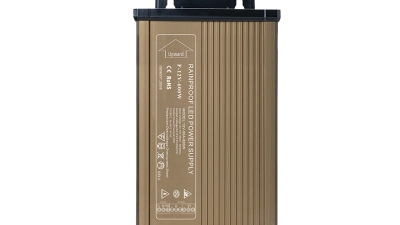
You know, in the last few years, the Led Power Supply industry has really taken off! It’s all because more and more people are looking for energy-efficient lighting options. A recent report from ResearchAndMarkets even predicts that the global LED power supply market could hit a whopping USD 7.54 billion by 2025, growing at an annual rate of about 7.2%. Pretty impressive, right?
One company that’s really making waves in this field is JIANGXI MIJI ELECTRONICS AND TECHNOLOGY CO., LTD. They’ve been around since 2005, so they've got quite a bit of experience under their belt—over 19 years, in fact! They offer a wide range of products, including rainproof and waterproof power supplies, along with standard switching power supplies, catering to all sorts of lighting requirements.
When you're picking out an LED power supply, it’s super important to choose the right one to ensure your LED lighting works well and lasts a long time. Knowing the key factors like wattage, efficiency, and how well the power supply can handle environmental conditions can really help you make the smartest choice.
Understanding LED Power Supply Types: A Comprehensive Overview
So, when you're hunting for the perfect LED power supply for your lighting, it's super important to get a grip on the different types out there. You've got two main types: constant voltage and constant current. Constant voltage supplies are like the Swiss Army knife of LED applications—pretty adaptable and usually run at 12V or 24V. Now, if you’re dealing with high-power LEDs that need to stay bright and consistent, you’ll want to go for a constant current power supply since it gives you a steady output current.
And let me tell you, the Led Driver market is blowing up right now! As of 2023, we're looking at the global LED market hitting around $1 billion, and it's projected to expand tenfold over the next 3 to 5 years. How crazy is that? This surge is thanks to cool advancements in LED driver integrated circuits (ICs) that are evolving to keep up with what the lighting world needs. Plus, it’s interesting to note that the market for display driver chips is set to reach about $12.69 billion by 2024, with an annual growth rate of 10.34%. So, when you're picking out a power supply, make sure it meets the current industry standards and has what it takes to keep up with future LED tech developments!
LED Power Supply Types and Their Efficiency Ratings
This chart illustrates the efficiency ratings of different types of LED power supplies. Understanding these ratings can help you choose the right power supply for your lighting needs.
Key Specifications to Consider for Optimal LED Performance
When you’re on the hunt for the best LED power supply to light up your space, there are a few key specs you really want to pay attention to. First up, voltage compatibility is super important because most LED systems run at low voltage. A report from the Lighting Research Center highlights that if your voltage doesn’t match up, you could end up wasting energy and your LEDs might not last as long as they should. So, make sure your power supply is in sync with your LED specs—usually around 12V or 24V—to keep everything running smoothly.
Another biggie is the wattage rating of the power supply. Studies in the industry show that if you overload it, you risk causing a premature failure, and let’s be honest, that’s the last thing you want. A good rule of thumb is to pick a power supply that’s about 20% higher than the total wattage you need for your LEDs. This way, you’re adding a safety buffer and helping prevent overheating, which can shorten the life of your components. Plus, be on the lookout for power supplies with high efficiency ratings—aim for those above 80% as per the DOE’s Energy Star program. It’s a great way to keep energy loss low and your operating costs down!
Finally, don’t overlook the quality of the power supply's components. It really matters for both safety and performance! If you see certifications from well-known organizations like UL or CE, that’s a good sign that the power supply meets solid safety and efficiency standards. This helps protect your investment and your home sweet home. By keeping all these things in mind, you’ll be well on your way to choosing a power supply that not only supports your LED lighting but also makes it shine bright and last longer!
Evaluating Efficiency Ratings: Importance of Power Factor and THD
Hey there! So, when you're shopping for an LED power supply to light up your space, it’s super important to get your head around efficiency ratings. There are a couple of key things you really want to think about: the power factor (PF) and total harmonic distortion (THD). The power factor is basically a way to measure how well the electrical power is turned into actual work. A higher power factor means you’re getting more bang for your buck, leading to lower energy bills and helping the planet too. Aim for power supplies that have a power factor of at least 0.9 for the best results.
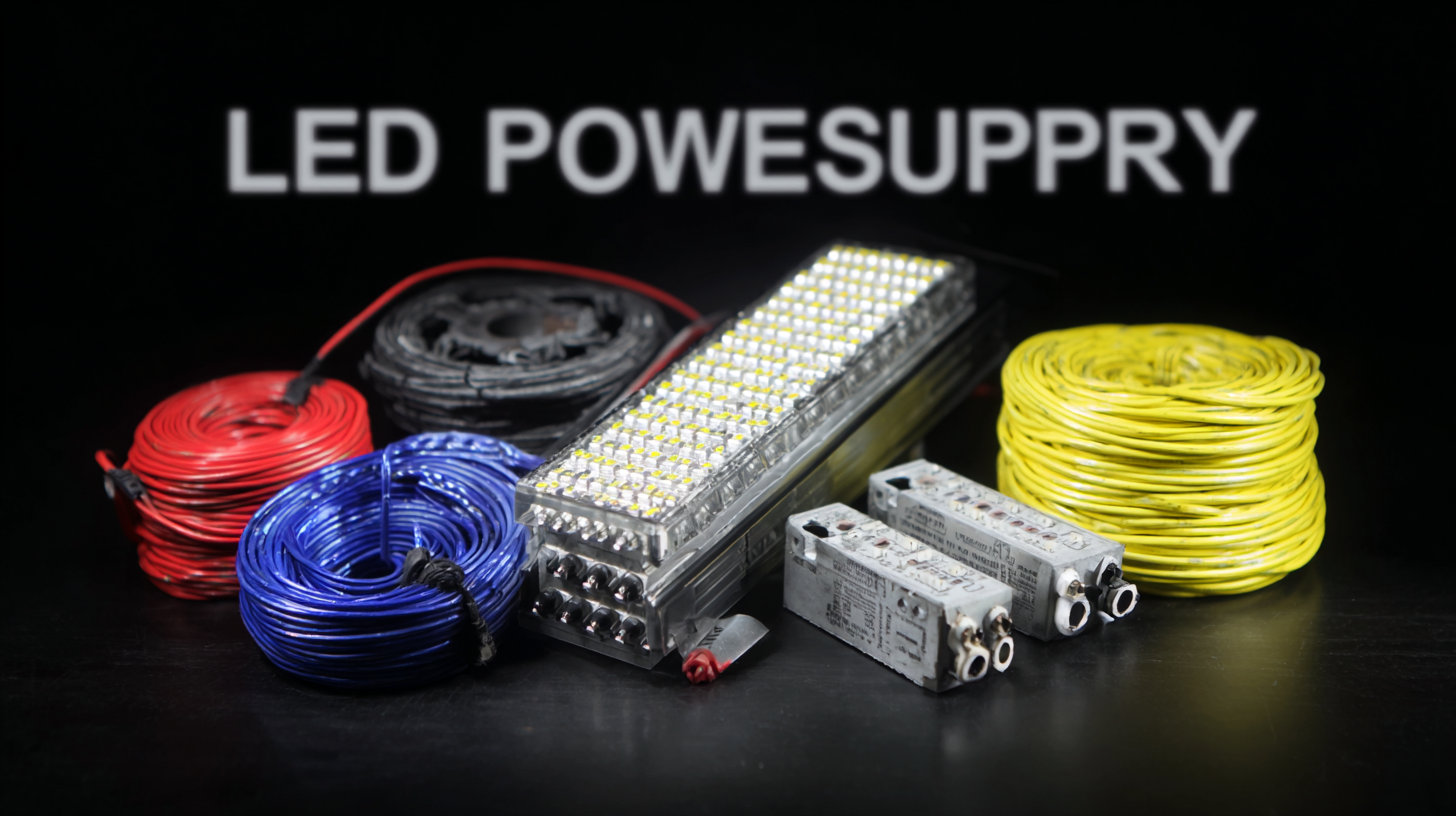
Next up is total harmonic distortion (THD). This one's important because it tells you how much the current waveform is getting distorted, and that can really affect how well your LED lights perform and how long they last. You definitely want a lower THD value—it means the power supply is delivering cleaner electricity, which keeps your lights running smoothly while reducing energy waste and protecting your fixtures from damage. Ideally, try to find LED power supplies with THD levels below 20%. By keeping an eye on both low THD and high power factor, you’re on your way to having energy-efficient and reliable LED lighting in your home or office!
Comparing Voltage Options: 12V vs. 24V for Different Applications
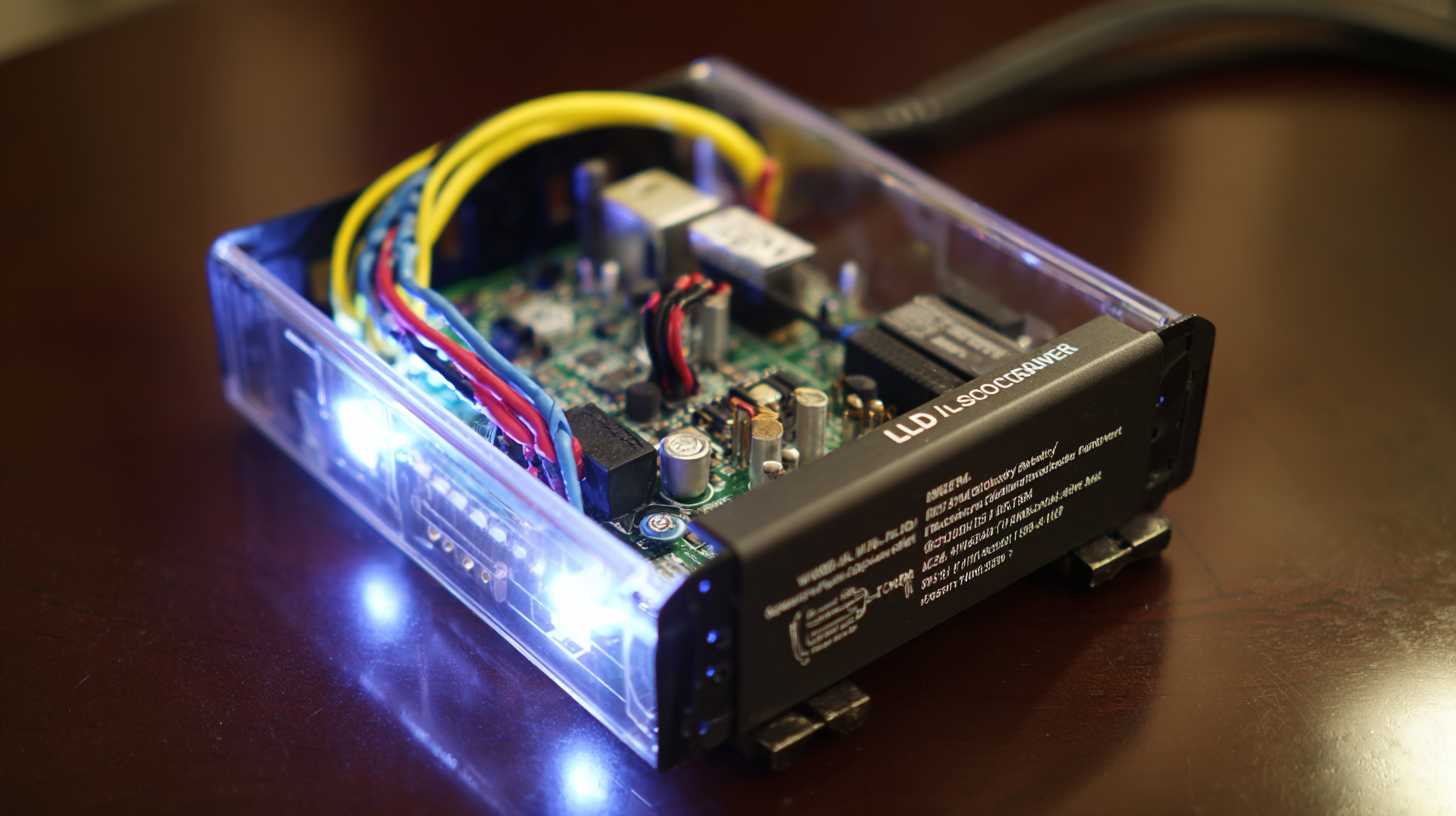 Alright, so when it comes to picking the right LED power supply, understanding the voltage options—especially the 12V and 24V—is super important because it can really affect how well your lighting system works. Basically, the main difference between these two is where you'd actually use them. A 12V power supply is what you’ll often find in smaller projects or low-power setups, like adding some nice accent lighting in your home or even in your car. It can handle short runs of LED strips just fine and it’s a real lifesaver in tighter spaces since it usually generates less heat and doesn’t need as complicated wiring.
Now, if you're working on something bigger, like a commercial setup or needing brighter lights over larger areas, a 24V power supply is your go-to. It’s much more efficient for longer runs of LED strips because it reduces voltage drop—that's a big deal when your lights are spaced out. Plus, the higher voltage means you can use more powerful LED components, which is great for things like outdoor lighting where you want to make a statement. In the end, choosing between 12V and 24V really depends on what you need for your specific project, the space you have to work with, and how bright you want it to be.
Assessing Load Capacity: How to Calculate Required Wattage for Your Setup
So, when you're picking out the perfect LED power supply for your lighting setup, the first step is really about getting a handle on the load capacity and figuring out how much wattage you'll need. You definitely want to make sure your power supply can manage the total wattage of all the LED lights you're planning to use. A good way to start is to jot down each of your LED fixtures along with their wattages. Adding those up will give you a solid idea of how much power capacity you'll need. Oh, and a handy tip is to throw in an extra 20% buffer. You never know when you might want to add more lights or if there are fluctuations in power draw.
**Some Quick Tips**: Don’t forget to check that the voltage of your LED lights matches up with the power supply. Using a supply that doesn’t have the right voltage can mess up your lights or leave you with some pretty lackluster performance. Also, take a look at the efficiency rating of your power supply; typically, a higher efficiency means you’ll be using less energy and producing less heat, which is great for prolonging the life of both the power supply and your LEDs.
And hey, while you’re piecing together your setup, think about the energy sources you’ll be using and how stable they are. It’s kind of like when you’re planning for solar panels on your roof – making sure everything is secure is super important. Having a dependable and suitably rated power supply is absolutely key for making sure your lighting project goes off without a hitch.
Reliability and Safety: Certifications to Look for in LED Power Supplies
Hey there! If you're in the market for an LED power supply for your lights, the first things you really want to think about are reliability and safety. You know, certifications are super important here because they help make sure that what you’re getting meets all the necessary industry standards. Keep an eye out for certifications like UL, CE, and RoHS—they basically mean that the product has gone through some serious testing to ensure it's safe and works well. According to a market report from ResearchAndMarkets, the LED driver market is on track to expand quite a bit, which just goes to show how important it is to pick certified products for longevity and safety in your lighting systems.
Here at Jiangxi MIJI Electronics and Technology Co., Ltd, we’re really proud of our range of LED power supplies, including options that are rainproof and waterproof. These aren’t just any products; they're built to handle different environmental conditions while also meeting industry certifications, so you can trust they’ll do their job right. When you’re picking out a power supply, don’t forget: going for something with higher efficiency ratings can save you some cash on your energy bills and help the product last longer.
A couple of quick tips: Always check if the power supply has features for thermal management because, trust me, overheating can be a real pain and lead to failures! Also, definitely consider the total wattage your lighting setup needs so you can choose a power supply that matches without pushing it too hard.
Maximizing Efficiency: How the Dominant 600W 12V Rainproof Power Supply Outperforms Competitors in Major HI LIGHT Applications
In today’s competitive landscape, projects demanding high efficiency and reliability in power supply cannot afford to settle for subpar options. The Dominant 600W 12V rainproof power supply stands as an exemplary choice, excelling in major HI LIGHT applications such as large LED advertising signs and dynamic building facade lighting. According to industry reports, the robust performance of this unit contributes to a notable increase in project efficiency by up to 30%, setting a new benchmark in the high-power 500W-1000W category.
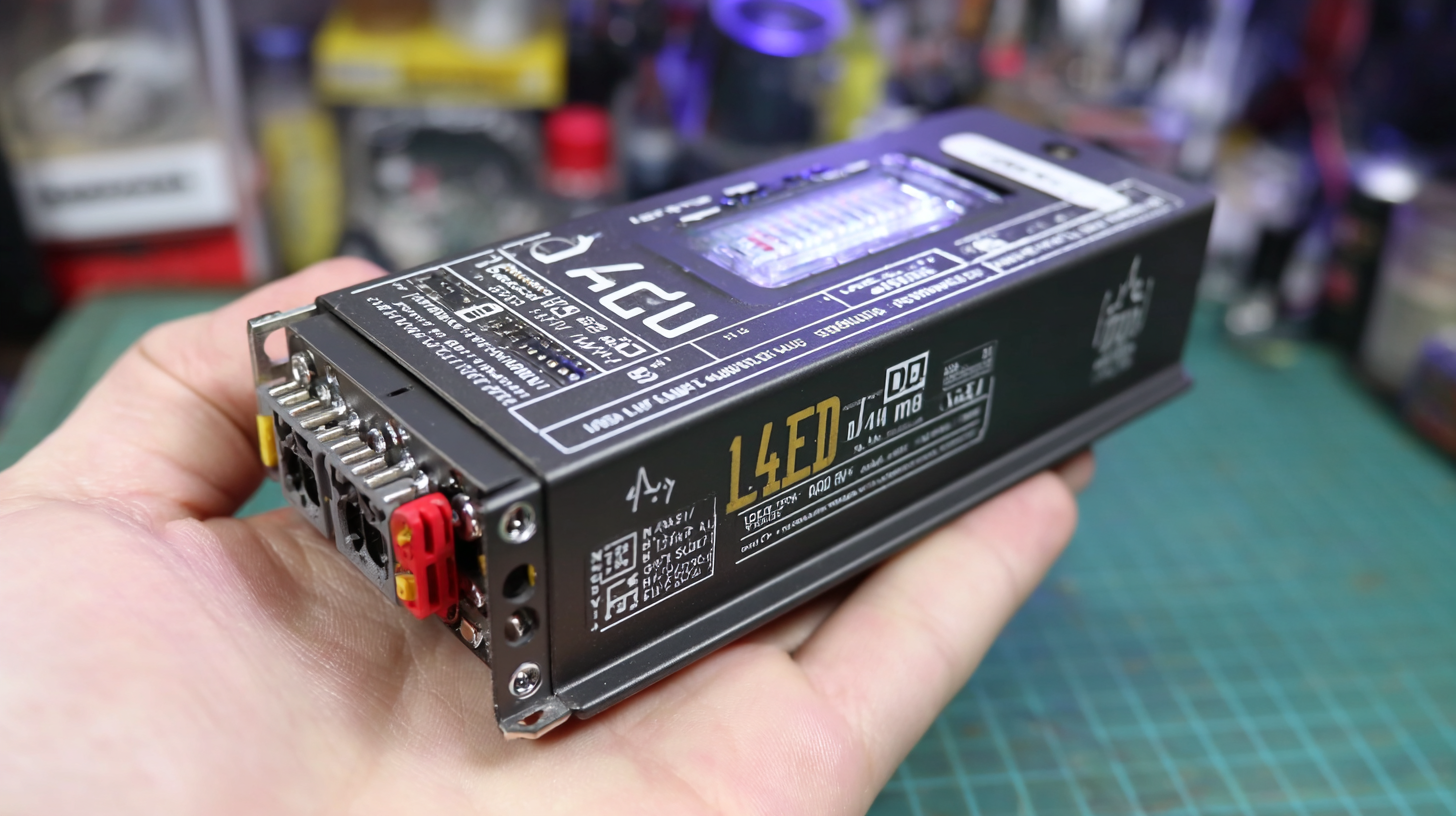
Engineered specifically for demanding installations, the Dominant power supply features a resilient construction designed to withstand outdoor conditions. With a true output of 600 Watts at 12V DC and 50 Amps, it not only delivers ample power but also supports intricate designs that require consistent energy flow. Furthermore, its comprehensive protective circuits, including safeguards against over-voltage and short-circuits, add an additional layer of security, ensuring that both the unit and connected equipment remain safeguarded during operation.
The longevity and reliability of the Dominant power supply are particularly crucial in extensive projects such as bridge LED lighting and oversized display light boxes, where failure can lead to significant project delays and increased costs. Industry analysts emphasize that power supplies tailored for high-capacity demands significantly reduce operational risks and enhance the overall aesthetics and functionality of high-profile installations. Thus, for professionals focused on impactful lighting solutions, the Dominant 600W power supply offers unmatched performance and peace of mind.
FAQS
: Start by listing all the LED lights you plan to install and their individual wattages. The cumulative total will give you a baseline for the power supply capacity you need. It's advisable to add a buffer of about 20% for future additions or variations in power draw.
Using a power supply with an incorrect voltage can damage your LED lights or lead to inadequate performance, which may impact their longevity and efficiency.
Look for certifications such as UL, CE, and RoHS, as they indicate that the product has undergone rigorous testing for safety and performance standards.
A higher efficiency rating typically means lower energy consumption and heat production, which can enhance the longevity of both the power supply and your LED lights.
Jiangxi MIJI Electronics and Technology Co., Ltd offers a variety of LED power supplies, including rainproof and waterproof options designed to withstand environmental factors and comply with industry certifications.
Thermal management features are crucial because overheating can lead to failures in the power supply, impacting the performance and safety of your lighting setup.
Consider the total wattage requirements of your lighting, verify the voltage compatibility, and assess potential energy sources and their stability to ensure a reliable power supply.
A reliable and adequately rated power supply is essential for the success of any lighting project, as it ensures safe operation and longevity of the LED fixtures.
Check the total wattage requirements of your lighting setup to ensure you choose a power supply that accommodates your needs without exceeding its capacity.