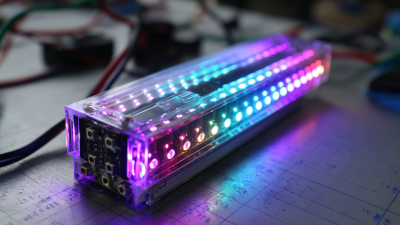
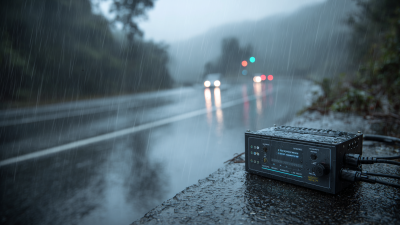
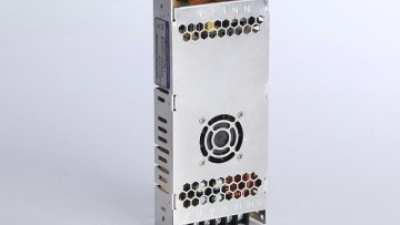
Lately, there's been a real surge in demand for smarter, more efficient lighting solutions. I mean, the global LED lighting market is projected to hit around $130 billion by 2028, according to Fortune Business Insights. One key player in all this? The Led Light Module — it's become pretty much essential for everything from cozy home setups to big industrial projects. Picking the right LED Light Module isn’t just about brightness; it’s about saving energy and making sure it lasts, especially in tougher environments.
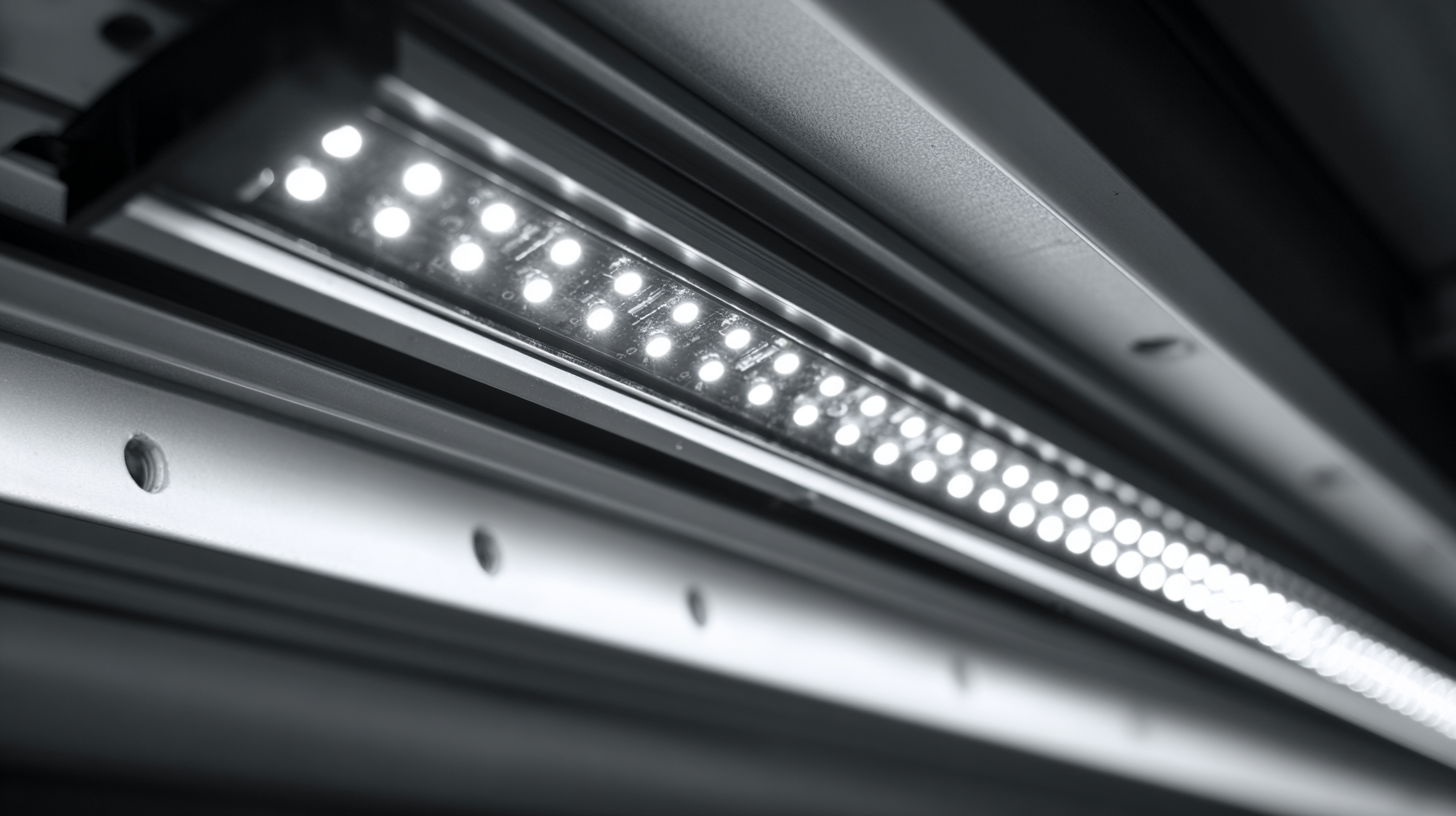
So, a little backstory — JIANGXI MIJI ELECTRONICS AND TECHNOLOGY CO., LTD has been in the game since 2005. They've spent over 19 years perfecting the art of LED power supplies, offering all sorts of options like rainproof and waterproof power supplies that work perfectly with LED Light Modules. In this blog, we’re gonna walk through some top tips on choosing the best LED Light Module for your project, leaning on MIJI’s expertise and industry know-how to help you make a smart, informed choice.
Understanding Different Types of LED Light Modules Available in the Market
When you're trying to pick the best LED light module for your project, it’s really helpful to get a good sense of the different types out there. Led Modules come in all sorts of designs, brightness levels, color temperatures, and even waterproof options. So, it’s pretty important to choose one that actually fits what you need. For example, if you're planning something outside where water might get in, then waterproof LEDs are definitely the way to go. But if it's just for indoor lighting, a regular one might do the trick.
A couple of tips to keep in mind: Always take a quick peek at the specs, like how bright it is (lumen output) and how energy-efficient it is. That way, you’re not just getting enough light but also saving some cash on electricity in the long run. Also, think about how easy it is to install. Some modules are super straightforward to slot into existing fixtures, while others might need a bit more setup or extra gear.
And don’t forget about durability—it's worth looking for options that come with a solid warranty. That’s usually a pretty good sign the manufacturer believes in their product. Sure, high-quality LEDs might set you back a bit more upfront, but they tend to last longer and perform better, which means fewer replacements down the line and more savings overall.
Key Factors to Consider When Choosing LED Light Modules for Your Needs
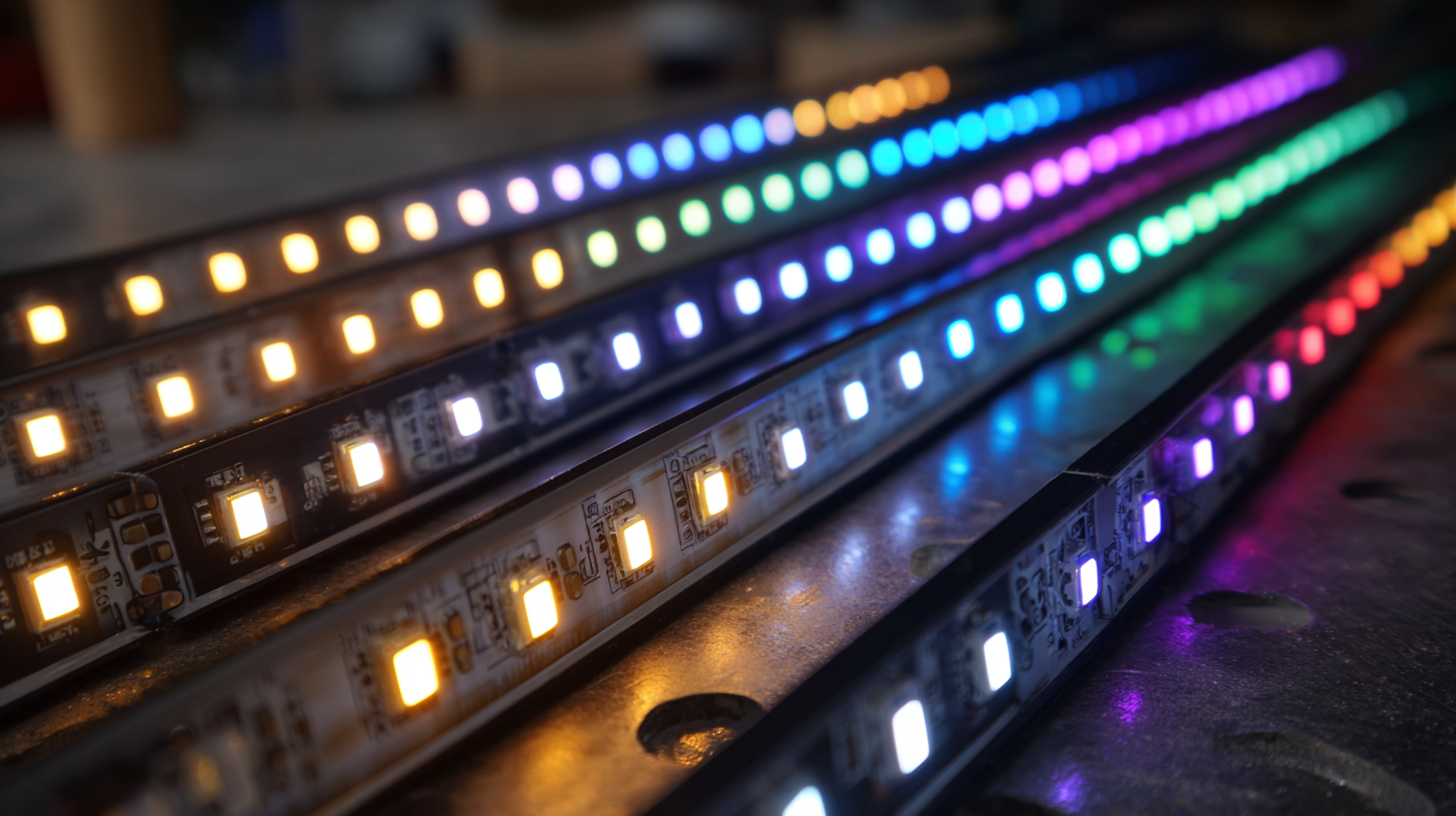
When you're picking out LED light modules for your project, there are a few key things you really want to keep in mind. First off, look at how efficient the LEDs are—often measured in lumens per watt (lm/W). Basically, this tells you how much light you get for the energy you put in. The cool thing is, a 2022 report from the U.S. Department of Energy mentioned that LEDs have gotten so good lately that in some cases, they hit around 200 lm/W, which beats traditional bulbs hands down. Thinking about how bright you need your setup to be will help you get the perfect light while also saving on energy. No point in overdoing it, right?
Another thing to consider is the color temperature, measured in Kelvin (K). You’ve got options from warm white (around 2700K) to cool white (up to 6500K), and the choice here really changes the feel of the space. As it turns out, some research from the Lighting Research Center shows that different color temps can actually influence how people feel and work. For example, cooler lights (like 5000K-6500K) are often great in offices because they help you stay alert, whereas warmer tones make homes feel cozy and inviting. Oh, and don’t forget about the Color Rendering Index (CRI). That’s basically a score that tells you how well the light shows off colors—important if you want your space to look natural and vibrant. Picking the right LED module just means thinking about how all these things come together to match what you want for your project.
Comparing Alternatives: Traditional Bulbs vs. LED Light Modules
When you're picking out lighting for your project, it's really good to understand the differences between your classic bulbs and those newer LED light modules. Old-school bulbs, like incandescent and fluorescent ones, have been around forever—kind of the go-to in the lighting world. They usually give off that warm, cozy glow and come in all sorts of shapes and sizes. But, honestly, they’re not the most efficient, and they tend to burn out sooner, which means using more energy and having to replace them more often.
On the flip side, LED light modules have really become a game changer. They use way less power but still produce a super bright, focused light. Plus, they’re pretty versatile in design, so you can get pretty creative with how you use them in different spaces. One of the best parts? LEDs last way longer than traditional bulbs. So, you’re saving money on replacements and cutting down on waste. As everyone leans toward more efficient and eco-friendly options, LED modules are quickly becoming the go-to choice for pretty much any project—whether it’s at home or in a commercial space.
Custom vs. Pre-Made LED Light Modules: Pros and Cons
Deciding between custom and pre-made LED light modules for your project? It’s really a matter of weighing the pros and cons for each. Custom LED modules are great because you can tailor them specifically to fit your needs—think unique designs and specs that might give your product a real edge in both looks and functionality. That said, designing custom modules can be a bit of a hassle—it often takes more time and can be pricier upfront, especially if your design’s complex.
On the flip side, pre-made modules—like those from Jiangxi MIJI Electronics and Technology Co., Ltd.—offer a pretty solid combo of quality and convenience. With over 19 years in the LED Power Supply game, MIJI has built a good reputation for reliable products, including rainproof and waterproof power supplies. These ready-to-go modules can seriously cut down your turnaround time and keep things consistent, which is a lifesaver if you’re racing against a deadline.
A quick tip: When you’re picking between custom and pre-made, think about your project timeline, budget, and how specific your application really is. Custom modules might be worth the splurge if you’ve got a niche or specialized need, but for most standard projects, pre-made solutions are quick and effective. And always, always go with reputable suppliers like MIJI—your project’s quality and reliability depend on it.
Evaluating Energy Efficiency and Brightness in LED Light Module Selection
So, when you're trying to pick out the best LED light module for your project, there are a couple of key things you should keep in mind—namely, how energy-efficient it is and how bright it shines. The U.S. Department of Energy actually says that LEDs can use up to 75% less energy compared to old-school incandescent bulbs, and they last—no joke—about 25 times longer. That’s pretty awesome because not only does it help the environment, but it also saves you some serious cash on electricity and replacements over time. When you’re sifting through different LED modules, it’s smart to look at the lumens they put out relative to how much power they draw. Basically, you want to find the ones that give you the most light for the least energy—what folks call a good lumen-per-watt ratio.
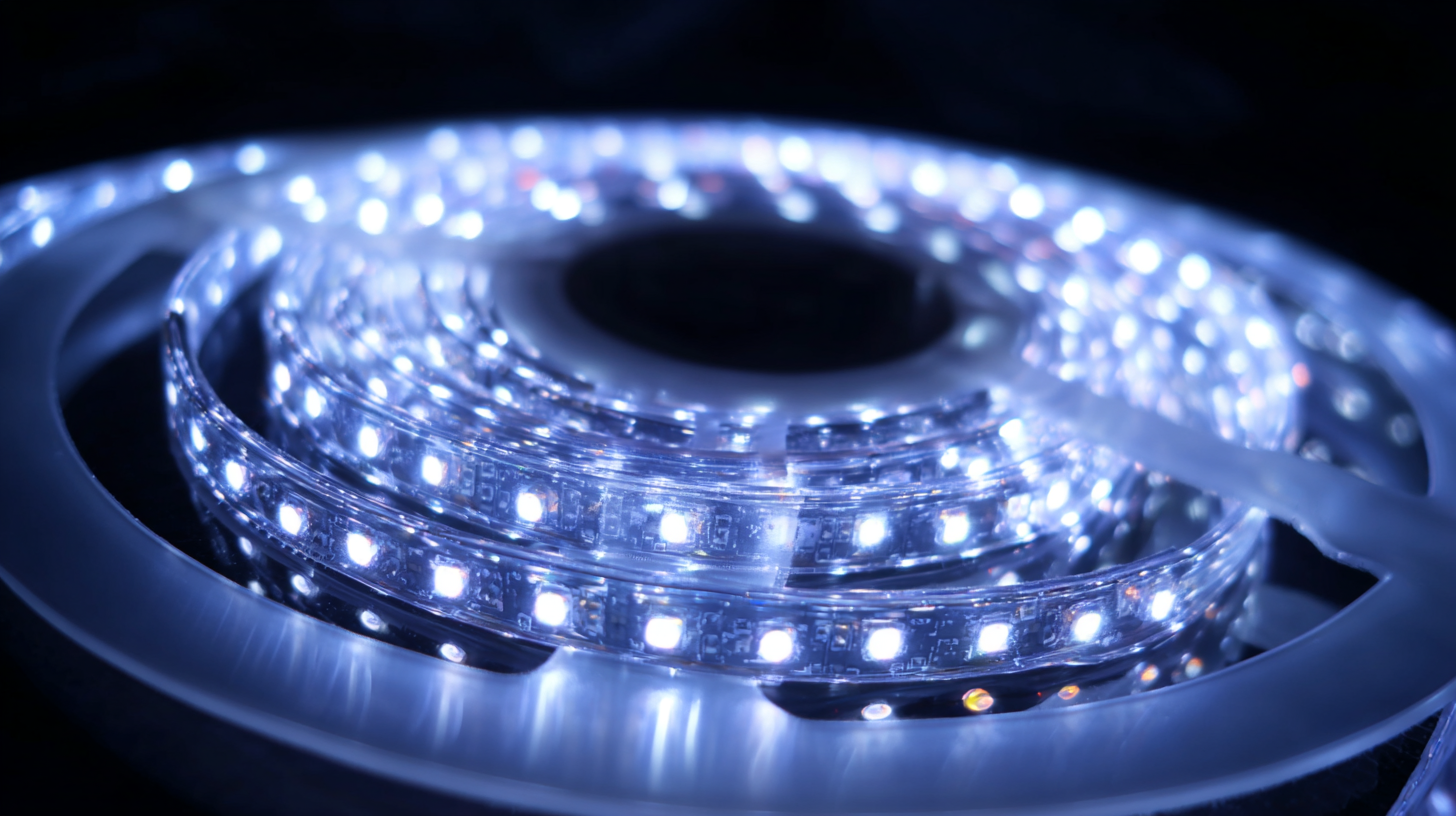
Now, brightness—measured in lumens—is another biggie. Usually, the higher the lumen count, the brighter the light. So, depending on what you need, sometimes you’ll want a pretty strong light. For example, in commercial spaces, it's often recommended to have between 300 to 500 lumens per square meter to light things up properly. But here’s the catch—just going for the brightest modules without thinking about energy costs can rack up your expenses pretty quickly. Recent studies suggest that choosing LED modules with efficiency rates of over 100 lumens per watt can really make a difference—helping your project shine without blowing your budget on energy bills.
The Role of Color Temperature and CRI in Choosing LED Light Modules
Hey, when you're picking out LED light modules for your project, it's really helpful to get a handle on things like color temperature and CRI. Basically, color temperature (measured in Kelvin, or K) decides whether the light feels warm and cozy or cool and crisp. If you're setting up a space meant for relaxing—like a living room or a hotel lobby—you'll probably want to go with a lower color temperature, something in the 2700 to 3000K range. That kind of light creates a comfy, inviting vibe. On the flip side, if you're working on a place where clarity matters—say, an office or a retail store—higher temperatures around 4000 to 5000K can really help folks stay alert and focused.
Now, CRI (Color Rendering Index) is another piece of the puzzle. It basically tells you how good the light is at showing true colors—kind of like natural daylight. If you really need those colors to pop, like in art galleries or stores selling clothing and cosmetics, then you'd want a CRI over 90. Still, the tech at recent lighting expos has come a long way, with new innovations making it easier to find LEDs that not only give you the perfect color temperature but also have excellent CRI ratings. All in all, paying attention to these details helps you pick the right LEDs that match your needs and set just the right mood for your space.
Powering Your LED Video Walls: The Importance of a Reliable 300W Fan-Cooled Power Supply
When it comes to powering LED video walls, the importance of a reliable power supply cannot be overstated. With the growing demand for high-quality visual displays in settings such as events, retail, and corporate environments, the role of a robust power source becomes critical. Our 300W 5V 60A switching power supply is designed specifically for LED video wall and matrix display applications, ensuring that your digital signage operates seamlessly under all conditions.
One of the standout features of this power supply is its intelligent temperature-controlled fan. As noted in industry reports, maintaining optimal thermal management is essential for longevity and performance, especially in high-stress environments. The fan operates quietly at lower loads, minimizing noise distractions, while ramping up to provide maximum cooling when the power supply is under load. This capability not only enhances the overall efficiency of the system but also ensures that the sensitive components within your video wall, such as control cards, are shielded from interference caused by ripple noise.
Moreover, this power supply is built with premium components, including high-voltage MOSFETs and pure copper transformers, which contribute to its exceptional efficiency. According to a study by the International Association of Venue Managers, reliable power supplies are directly linked to system uptime and operational reliability, making it imperative to choose equipment that undergoes rigorous testing. Our 300W unit features comprehensive protections and has passed a 100% full-load aging test, solidifying its status as a dependable choice for mission-critical applications in digital signage.
FAQS
: Custom LED modules can be tailored specifically to meet project requirements, offering unique designs and specifications that enhance functionality and aesthetic appeal.
The development process for custom LED modules can be time-consuming and may require a higher initial investment, especially for complex designs.
Pre-made LED modules offer quality and convenience, significantly reducing lead time and ensuring consistent performance, making them ideal for projects with tight deadlines.
Energy efficiency is crucial as LED lighting can use up to 75% less energy than traditional incandescent lighting, reducing operational costs and enhancing sustainability.
Brightness is measured in lumens, with higher lumen values typically indicating a brighter light necessary for specific applications, such as commercial environments.
A minimum of 300 to 500 lumens per square meter is often recommended for adequate illumination in commercial settings.
Assess the lumen output relative to power consumption to choose products with the best lumen-per-watt ratio and opt for modules with a superior efficacy rate (above 100 lumens per watt).
Consider project timeline, budget, and specific application requirements when selecting between custom and pre-made LED modules.
Always choose suppliers with a solid reputation, such as Jiangxi MIJI Electronics and Technology Co., Ltd., to ensure quality and reliability in your LED products.
Conclusion
Whenever you're starting a project that needs some good lighting, picking the right LED light module is kinda of a big deal. It helps if you understand the different types out there because that way, you can find one that really suits what you need. Things to keep in mind include how energy-efficient it is, how bright it gets, and stuff like color temperature and CRI — those little details can totally change how your space looks. Also, deciding between custom-made modules or ready-made ones can make things a lot simpler in the long run.
By the way, Jiangxi MIJI Electronics and Technology Co., Ltd. is pretty much a leader when it comes to LED power supplies and lighting solutions. They've got a ton of experience and can hook you up with high-quality, reliable LED modules. Honestly, when you compare these modern LED options to traditional light bulbs, you'll see they offer some serious long-term benefits — not just in how well they perform but also in being more eco-friendly. With nearly 20 years under their belt, MIJI really knows their stuff and can help you make smart choices so your project turns out just right.